


The Simple Answer: Yes, Milk Is Allowed
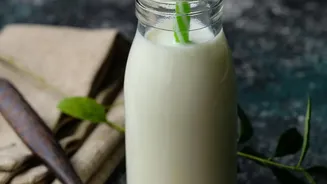
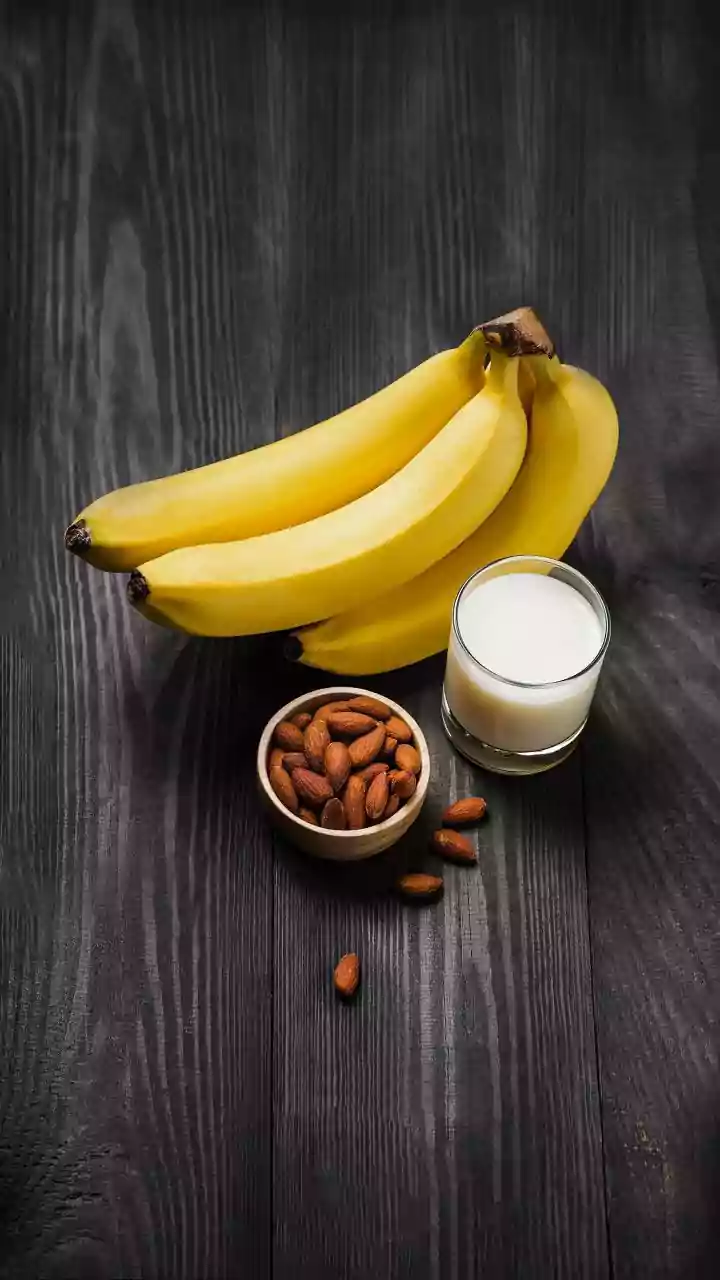
For the vast majority of devotees observing the Janmashtami fast, the answer is a clear yes. Milk and milk-based products are not only permitted but are a central part of the fasting diet. This includes items like curd (dahi), paneer, buttermilk (lassi),
and ghee. In fact, milk is a key ingredient in Panchamrit, the sacred offering made to Lord Krishna, which itself is consumed by devotees after prayers. The tradition of consuming milk during the fast is tied to Lord Krishna's own identity as a cowherd (Gopala) and his well-known love for milk, butter, and other dairy products. Therefore, incorporating milk into your vrat is considered both nutritionally supportive and spiritually significant.
Understanding Phalahari Vrat
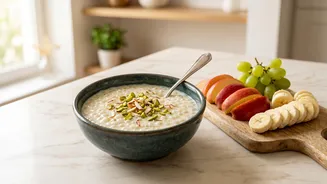
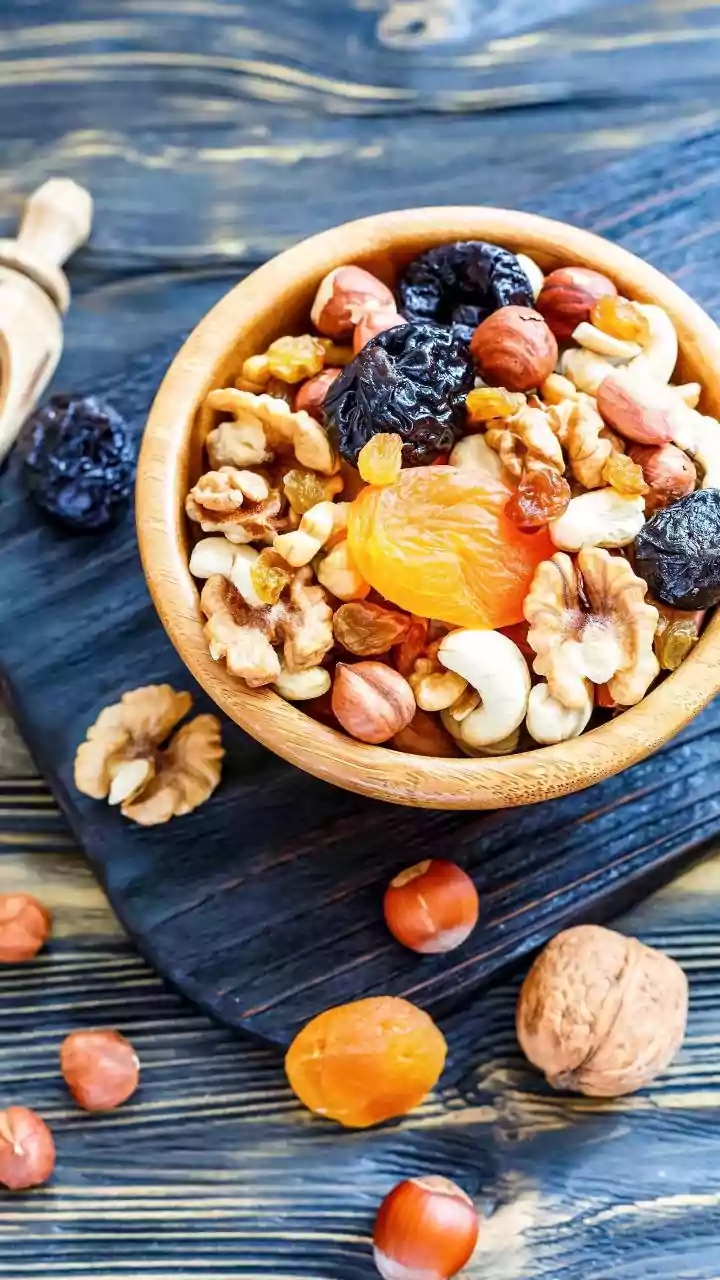
The reason milk is permitted lies in the type of fast most people observe for Janmashtami, known as a 'Phalahar' or 'Phalahari' vrat. The term literally translates to a 'fruit diet' (phal meaning fruit and aahar meaning diet), but its scope is broader. It is a form of fasting that excludes grains, lentils, pulses, and certain vegetables like onion and garlic. Instead, it permits fruits, dairy products, nuts, and specific non-cereal starches. This type of fast is considered 'sattvic', meaning it promotes purity, harmony, and clarity, making it ideal for a day of spiritual devotion. It provides enough energy to get through the day's prayers and rituals without the heaviness of a regular meal.
What Else Can You Eat?
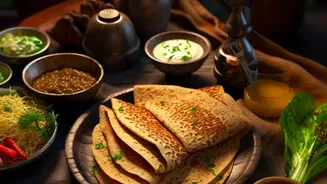
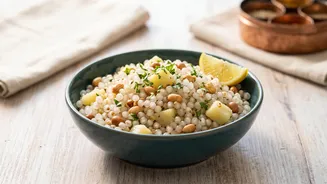
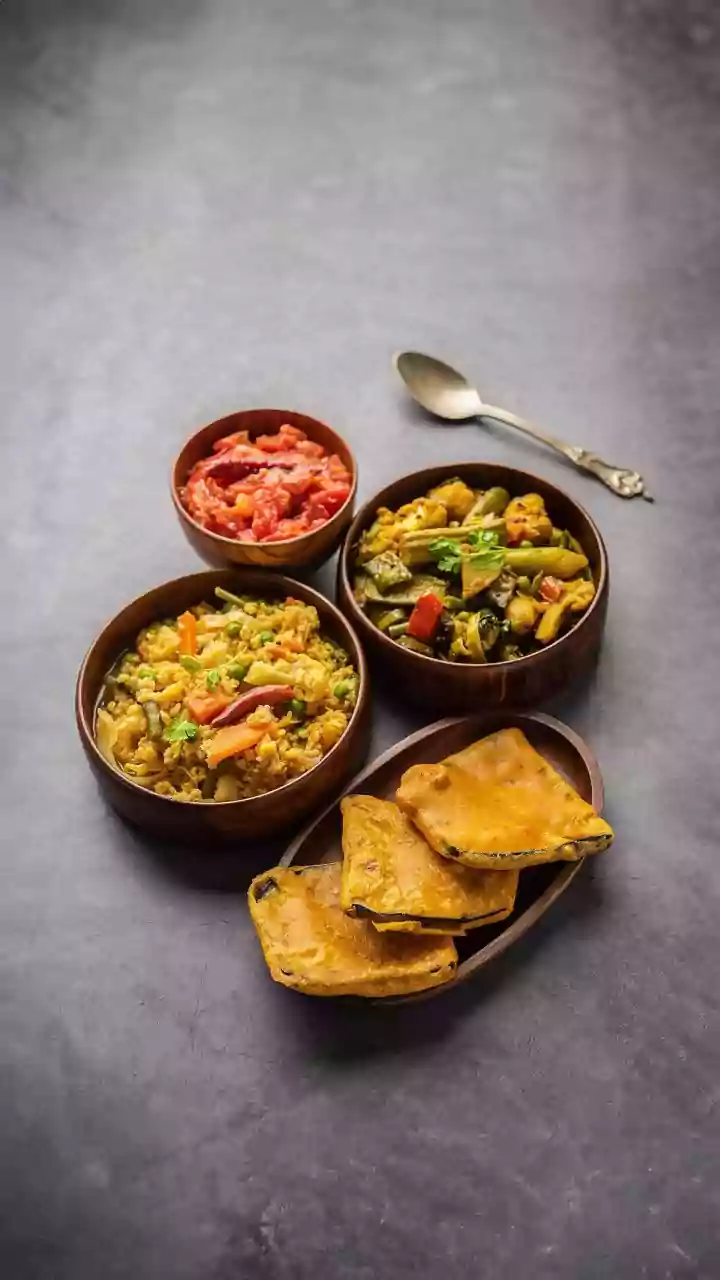
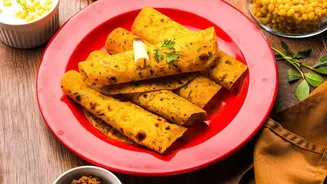
The Phalahari diet is surprisingly varied. Besides all fruits and dairy products, a specific list of ingredients is allowed. Vrat-friendly flours like Singhara atta (water chestnut flour), Kuttu atta (buckwheat flour), and Rajgira atta (amaranth flour) are used to make puris, rotis, and pancakes. Sabudana (tapioca pearls) and Samak rice (barnyard millet) are other popular starches used for dishes like khichdi and kheer. For vegetables, potatoes, sweet potatoes, pumpkin, bottle gourd, and tomatoes are generally permitted. To season these dishes, regular table salt is avoided; instead, Sendha Namak (rock salt) is used. Spices are usually minimal, often restricted to cumin, black pepper, and coriander powder.
Foods to Strictly Avoid
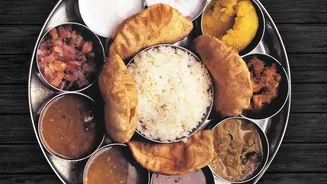
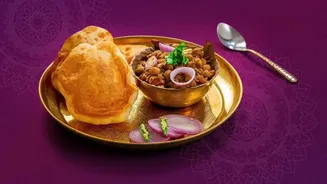
Knowing what to avoid is just as important as knowing what to eat. The primary restriction during a Janmashtami vrat is on all types of grains and cereals, including wheat, rice, and millets (except for samak rice). All lentils and pulses are also prohibited. In keeping with the sattvic nature of the diet, 'tamasic' foods, which are believed to create dullness, are strictly forbidden. This category includes onions, garlic, non-vegetarian food (meat, fish, eggs), and alcohol. Many devotees also avoid common spices like turmeric and asafoetida, sticking only to those explicitly allowed for vrat. Processed foods and regular table salt are also off the menu.
A Note on Nirjala Vrat
While the Phalahari fast is the most common, it's worth knowing that a stricter form of fasting exists called the 'Nirjala' vrat. 'Nirjala' means 'without water', and devotees observing this fast abstain from all food and water from sunrise until the fast is broken after the midnight puja. This is a very demanding form of fasting and is generally not recommended for everyone. Family traditions, age, and health conditions play a significant role in deciding which type of fast to observe. Those with health issues, pregnant women, and the elderly are often advised to observe a more lenient fast or are exempt altogether.