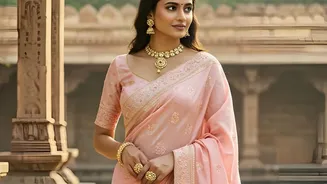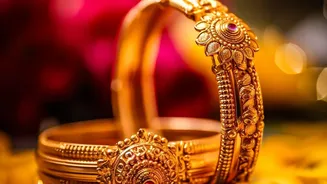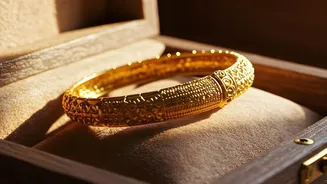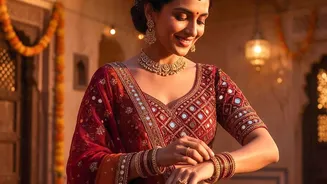



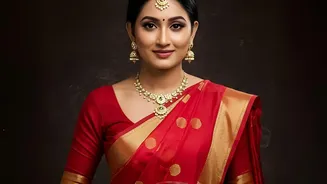
In many Indian homes lies a treasure box, filled with antique gold jewellery. Its market price may be high, but its true worth is immeasurable. This isn't just about gold; it's about the stories, traditions, and security woven into each piece.
More Than Just Metal and Stone
Antique
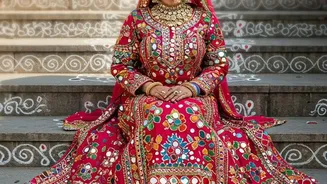
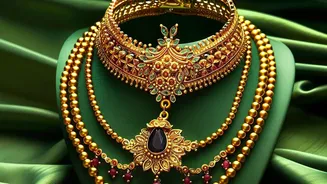
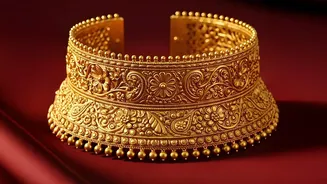
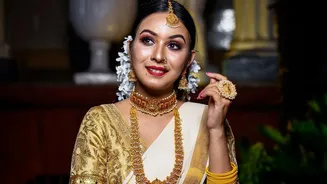
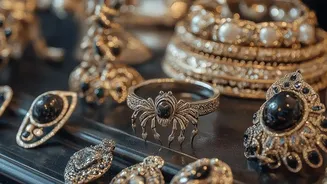
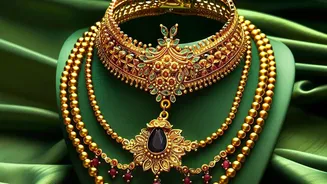
gold jewellery is a living record of a family’s history. Each piece, whether it's a grandmother's 'rani haar' or a mother’s wedding bangles, is a vessel of memories and blessings. These ornaments are worn on life's most significant occasions—births, weddings, and festivals—infusing them with an emotional energy that transcends their material composition. The intricate designs, sometimes featuring Mughal-era Jadau or Rajput-inspired Polki work, tell a story not just of personal history, but of India's rich artistic heritage. When a piece is passed down, it carries with it the emotions and presence of those who wore it before, making it a priceless link between the past, present, and future.
A Legacy Passed Through Generations
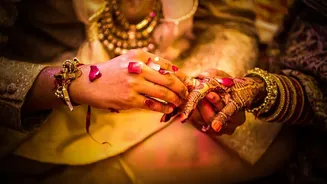
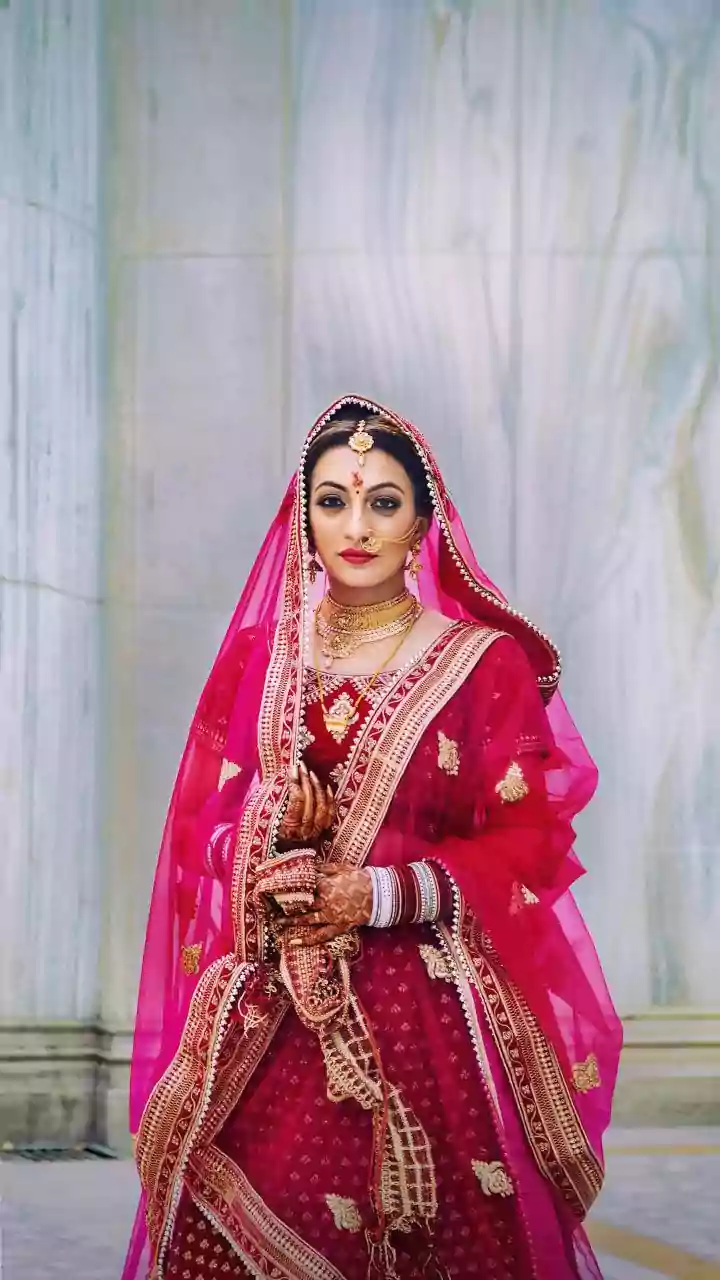
The tradition of passing down gold jewellery is a cornerstone of Indian family culture, symbolising continuity and love. It's a tangible way of passing the baton to the next generation. Most commonly, these heirlooms are given by a mother to her daughter or welcomed to a new daughter-in-law, representing the family's legacy and blessings. Pieces like the mangalsutra, gold necklaces, and thick 'tode' bangles are not just accessories but symbols of marital bliss, strength, and prosperity. This act of gifting connects a bride to her new family's traditions and roots, making the jewellery an essential part of her new identity. It's a ritual that ensures the family’s stories and values are quite literally carried forward.
The Enduring Power of 'Stridhan'
Beyond sentiment, antique gold often represents 'Stridhan'—a woman's absolute wealth. Derived from the words 'Stri' (woman) and 'Dhan' (wealth), Stridhan includes gifts a woman receives before, during, or after her marriage from her family, husband's family, or friends. Historically, this practice was established to provide women with financial security in a patriarchal society, serving as a safety net in times of hardship like divorce or widowhood. The law recognises a woman's complete ownership over her Stridhan, and she has the absolute right to sell, gift, or exchange it. This makes heirloom gold not just a symbol of love, but a powerful tool for a woman's economic autonomy and independence.
Gold as a Tangible Asset
While emotions often lead, the financial aspect of gold is never forgotten. Gold has been viewed as a symbol of wealth, prestige, and security in India for thousands of years. Unlike other heirlooms, gold has a dual role: it is both a store of sentimental value and a reliable financial asset. Families understand that gold retains its value over time, making it a wise and secure investment that can be liquidated in an emergency. This financial underpinning provides a unique sense of security that other inherited items cannot offer. The jewellery serves as a family's portable wealth, a safety net that is both beautiful and practical.
The Modern Perspective
Today,' the conversation around heirloom jewellery is evolving. While the sentimental and cultural value remains paramount,' younger generations are also more aware of gold as a financial instrument.' Many see these antique pieces as a hybrid asset—a connection to their heritage that also happens to be a solid investment.' The decision is rarely about liquidating these heirlooms;' selling is often a last resort due to the deep emotional attachment.' Instead,' the modern approach involves appreciating the dual nature of the jewellery.' It is cherished for its stories and craftsmanship while being acknowledged for the financial stability it represents,' a perfect blend of tradition and modern financial thinking.