





Rethinking Real-World Fitness
For many, fitness is measured in kilometres run or kilograms lifted. But experts increasingly point toward a different benchmark: functional fitness. This concept revolves around training your body for the movements you perform in everyday life, like
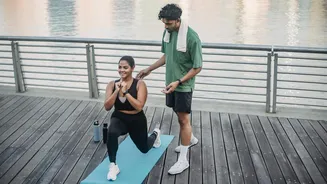
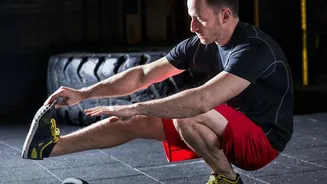
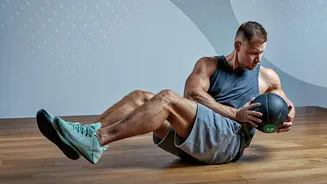
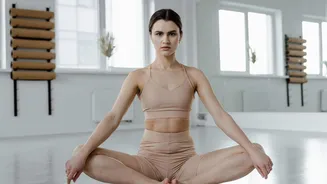
carrying groceries, getting up from a chair, or playing with your children. Unlike traditional workouts that often isolate specific muscles, functional exercises train multiple muscle groups and joints to work together, mirroring real-world tasks. This approach not only makes daily activities feel easier but also improves balance, coordination, and stability, which can significantly reduce the risk of injury and support long-term independence. It’s about building a body that’s capable and resilient, not just for an hour at the gym, but for all the hours in between.
The Underrated Stair Test
Taking the stairs is often seen as a simple way to burn extra calories, but it's also a powerful diagnostic tool for your health. Climbing stairs is a weight-bearing activity that challenges your cardiovascular system, leg strength, and balance all at once. It engages major muscle groups including your glutes, quads, and calves, while also enhancing heart and lung function. If you find yourself consistently out of breath or unsteady after a single flight, it could be an early indicator of declining cardiovascular fitness or lower-body weakness. Conversely, regularly choosing the stairs can improve endurance, help maintain bone density, and lower the risk of chronic conditions like heart disease.
Dancing: A Joyful Mobility Check
Dancing is much more than a fun social activity; it is a complex, full-body movement assessment. While you're learning steps or moving to a beat, you are testing your coordination, balance, core strength, and spatial awareness. Unlike repetitive gym exercises, dancing involves moving in multiple directions and planes of motion, including twists and turns that challenge your stability and joint mobility. This dynamic movement engages the mind as you remember choreography, forcing your brain and muscles to work in harmony. This mind-motor connection is crucial for preventing falls and maintaining agility. From salsa to folk dancing, the variety of movements can reveal stiffness or asymmetries you might not otherwise notice.
Entering a Vehicle: A Complex Task in Disguise
Getting in and out of a car is a task most of us do without a second thought, yet it's a surprisingly complex sequence of movements. The process involves squatting, balancing on one leg, rotating the torso, and using core strength to control your body's entry into a confined space. As mobility decreases with age, particularly in the lower back, hips, and knees, this seemingly simple action can become difficult. Difficulty sweeping your legs into the car can signal tight hips, while struggling to stand up from the seat can point to a lack of leg and core strength. Studies show that this everyday action involves significant biomechanical stress, requiring flexibility and strength to perform without strain or risk of a fall.