





An Introduction to the Spectacle
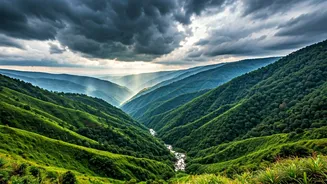
Every July, just after the sowing season, the town of Jowai in Meghalaya’s West Jaintia Hills transforms. It becomes the epicenter of Behdienkhlam, the most significant cultural festival for the Pnar people, who follow the indigenous Niamtre faith. This
isn't a staged event for tourists but a living, breathing tradition that erupts in a riot of colour, music, and ancient ritual. The festival, which takes place from July 11th to 14th in 2026, is an invocation for a bountiful harvest and a powerful act of communal cleansing. It represents a side of India that is deeply traditional yet dynamically alive, offering travelers a chance to witness something truly unique.
A Ritual to Banish Sickness
The name 'Behdienkhlam' literally translates from the Pnar language to 'chasing away the plague'. Its origins are rooted in the community’s historical efforts to ward off cholera and other devastating diseases. This core purpose of driving away evil, sickness, and negative spirits manifests in a series of powerful rituals. One of the most striking involves young men moving through the town, beating the roofs of every house with long bamboo poles. This isn't just noise; it’s a symbolic act of purification, a percussive prayer to protect the entire community and ensure its health and prosperity for the year ahead. The act powerfully connects the festival's ancient purpose to its modern practice.
A Procession of Towering Art
The visual centerpiece of Behdienkhlam is the 'rot'. These are towering, intricately decorated bamboo structures, often reaching 30 to 40 feet in height. Each 'rot' is crafted by a different locality and carried in a massive procession toward a sacred pool known as the 'Aitnar'. While traditionally adorned with religious symbols, these structures have evolved into a form of public commentary. It's not uncommon to see 'rots' depicting contemporary themes, from political satire to calls for social reform, making the festival a vibrant display of a community grappling with the modern world through traditional forms. The procession is a chaotic, joyous affair, as hundreds of men dance to the rhythm of drums and pipes, their energy infectious.
The Sacred Game of Dad-Lawakor
The festival culminates in a series of events at the 'Aitnar', the sacred muddy pool. After the 'rots' and polished tree trunks called 'khnongs' are immersed, the atmosphere reaches a fever pitch. A key event is Dad-Lawakor, a game that resembles football but is played with a small wooden ball. Two opposing teams compete fiercely, not for a trophy, but for a divine blessing. Local belief holds that the winning team’s region will be blessed with a more abundant harvest that year. Another ritual involves a tug-of-war between two groups over a massive wooden log in a muddy trench, a chaotic and spirited display of communal strength and playful competition.
Why This Is the Travel You're Craving
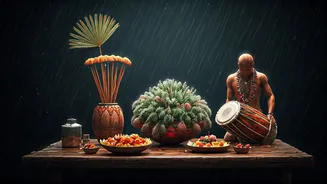
While men dominate the public-facing rituals of dancing and processions, women play a crucial role behind the scenes, preparing offerings for ancestors and ensuring the spiritual foundations of the festival are upheld. This division of roles speaks to the deep-rooted traditions of the Niamtre faith. For a traveler, witnessing Behdienkhlam is more than just observing a festival. It’s about experiencing a powerful expression of cultural identity that feels visceral and unfiltered. There are no ticketed stands or roped-off viewing areas. Instead, you are immersed in the sounds, sights, and raw energy of a community coming together to reaffirm its connection to its land, its faith, and its people. It’s a reminder that the most memorable journeys are often not to a place, but to a moment in time.