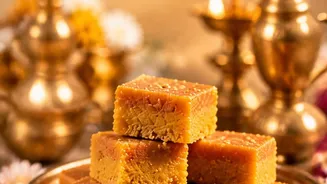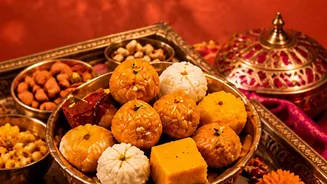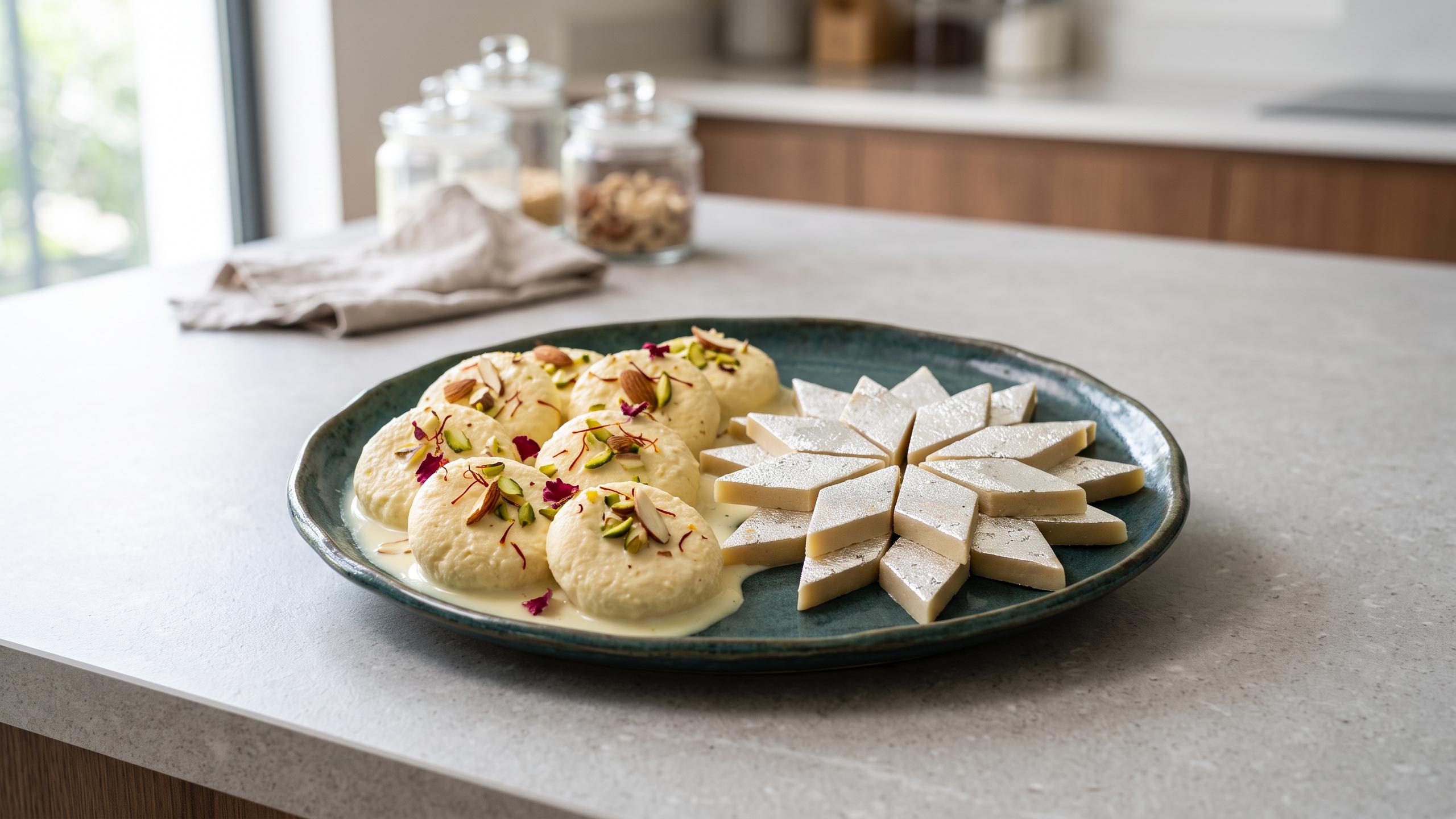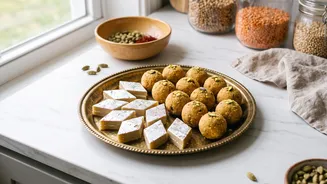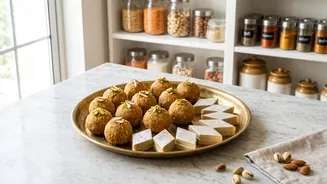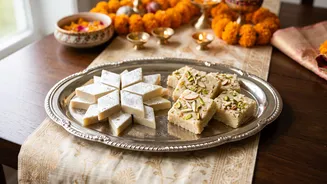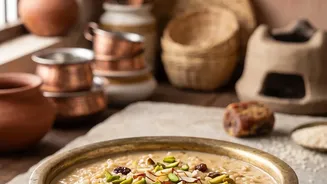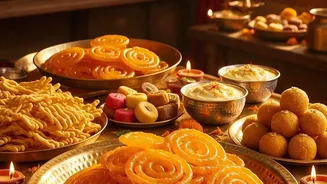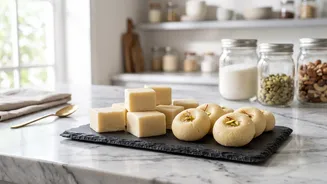


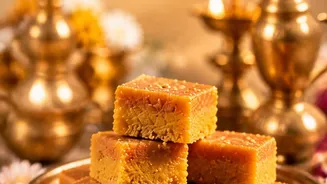
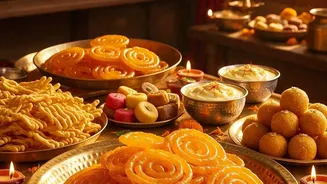
Diwali is a festival of joy, light, and an abundance of delicious mithai. But many of our favourite milk-based sweets are highly perishable. Here’s how to ensure every bite of that kalakand and barfi remains safe and delightful.
Why Milk-Based Sweets Spoil Quickly
Sweets made from khoya,
mawa, paneer, or fresh milk are rich in moisture and nutrients, making them an ideal breeding ground for bacteria. Ingredients like milk solids provide the perfect environment for spoilage, especially when left at room temperature. Bacterial growth is fastest in the 'danger zone' between 5°C and 60°C. Even a few hours on the counter during a warm Diwali afternoon can be enough for sweets to become unsafe, even if they still look and smell fine. This is why sweets like peda, milk barfi, sandesh, and rasmalai have a much shorter shelf life than drier varieties like besan ladoo or kaju katli.
The Golden Rule: Refrigerate Immediately
The single most important step is to refrigerate perishable sweets as soon as possible. As a rule, any milk-based mithai should be moved to the fridge within two hours of purchase or preparation. If the ambient temperature is high, that window shrinks to just one hour. Store them in clean, dry, airtight containers. Glass or stainless steel containers are preferable as they are non-reactive and prevent the absorption of other odours from the fridge. Avoid leaving sweets in the cardboard box they came in, as it offers no protection from air or moisture and can lead to sogginess. Proper storage keeps them fresh and safe to consume.
Know Your Mithai’s Shelf Life
Not all milk sweets are created equal. Their longevity depends on their exact ingredients and moisture content. As a general guide, very moist sweets like kalakand, rasgulla, and rasmalai should be consumed within two to three days when refrigerated. Khoya and mawa-based sweets such as plain barfi and peda typically last a bit longer, around three to five days in the fridge. Keep in mind that homemade sweets without preservatives may spoil faster than some commercial varieties. Always prioritise eating the most perishable sweets first.
How to Spot Spoilage
Trust your senses, but be cautious. Never taste a sweet to check if it has gone bad. The most obvious signs of spoilage are visual and olfactory. Look for any fuzzy mold, which can be green, black, or white. If you see mold on one piece, discard the entire batch as the contamination may have spread. A sour or stale smell is another clear warning sign. Other indicators include a slimy or sticky surface texture and any change in colour. A simple rule to live by during the festive season is: when in doubt, throw it out. The risk of food poisoning is not worth it.
Smart Gifting and Serving Practices
When sharing the joy of mithai, a little information goes a long way. If you are gifting homemade milk-based sweets, let the recipient know they are perishable and need immediate refrigeration. When serving at home, avoid leaving large platters of sweets out for the entire evening. Instead, bring them out of the refrigerator in smaller batches. Allow refrigerated sweets to sit at room temperature for about 10–15 minutes before serving to soften slightly and improve their texture. This ensures they are both safe and enjoyable for your guests.
A Note on Buying Sweets
The festive rush often leads to a spike in the sale of adulterated or substandard sweets. Always buy from reputable, trusted vendors who maintain high standards of hygiene. For packaged sweets, check the manufacturing and 'best before' dates. For fresh sweets, don't hesitate to ask when they were made. Be wary of sweets that look unnaturally bright, as they may contain non–permitted food dyes. Choosing quality and freshness from the start is the first step in ensuring your Diwali treats are safe.