






Another Vande Bharat for the Valley
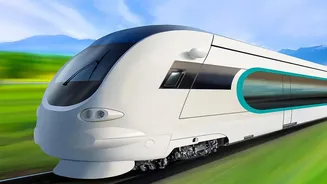
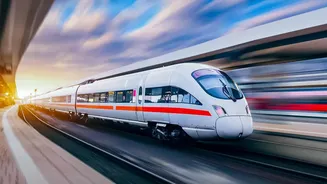
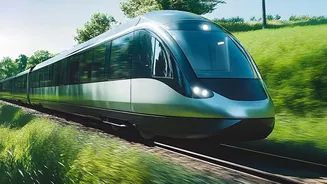
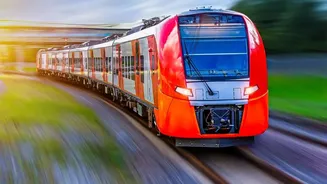
Indian Railways has officially approved the introduction of a third Vande Bharat train connecting Jammu Tawi and Srinagar. This comes in response to high demand, as the two existing Vande Bharat services on the route have been running with full occupancy
since their launch. The new service will include a stop at Udhampur, a long-standing demand from the local population, further enhancing connectivity for both residents and travellers. The existing services, which were extended from Katra to Jammu earlier this year, have already been hailed as a success, prompting railways to increase the number of coaches to handle the passenger rush. This third train solidifies the semi-high-speed service as a primary mode of transport between the two major hubs of the Union Territory.
Beating the Unpredictable Highway
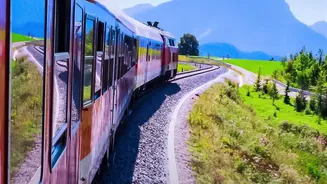
For decades, the primary link between Jammu and the Kashmir Valley has been the challenging Jammu-Srinagar National Highway (NH-44). This road journey can take anywhere from eight to eleven hours, and often much longer. The route is notoriously prone to disruptions from landslides, heavy snowfall, and other weather-related events, especially during winter, frequently cutting off the valley from the rest of the country. The Vande Bharat Express changes this narrative entirely. By completing the 269-kilometre journey in under five hours, the train offers a fast, reliable, and, most importantly, all-weather alternative. This predictability is a game-changer, removing a significant point of uncertainty that has long plagued travel plans to Kashmir.
A Direct Lifeline for Tourism
The impact of reliable, year-round connectivity on tourism cannot be overstated. Tourism experts and local business chambers have described the rail link as a transformative development for the sector. By providing a cheaper and faster alternative to air travel and a more dependable option than road travel, the train makes Kashmir more accessible to a wider range of tourists, including middle-class families and budget travellers. The convenience of a sub-five-hour journey could spur short-term getaways and weekend trips, which were previously difficult to plan. This increased footfall directly benefits hotels, tour operators, houseboat owners, and handicraft sellers, creating a ripple effect across the local economy. It allows for a more stable, year-round tourism season, reducing the sector's dependence on fair-weather travel.
More Than Just Moving People
The Udhampur-Srinagar-Baramulla Rail Link (USBRL), the massive infrastructure project that makes these train services possible, is an engineering marvel featuring the world's highest railway bridge over the Chenab River. Its economic impact extends beyond tourism. The railway provides a crucial freight corridor, enabling faster and cheaper transport of Kashmiri produce like apples, cherries, and saffron to markets across India. At the same time, it ensures a steady supply of essential goods into the valley, helping to stabilize prices for consumers. This economic integration, coupled with the improved movement of people, helps build investor confidence and signals a new era of stability and growth for the region. The project itself has also been a major source of employment, generating over five crore man-days of work.