



The Golden Rule: Pack Smart, Not Heavy
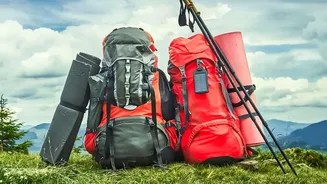
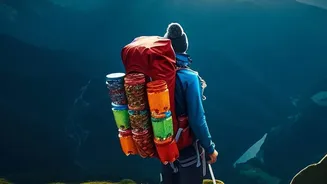
The first step to a successful monsoon trek is a mental shift. Instead of asking, "What if I need this?" and filling your pack with bulky 'just-in-case' items, focus on lightweight, multi-purpose gear. A heavier bag, especially when wet, quickly turns
an enjoyable hike into a miserable slog. Your goal is to carry the right things, not more things. This philosophy extends to every choice, from your clothing to your electronics. A well-packed, lighter rucksack is easier to manage on slippery trails and allows you to focus on the stunning scenery around you, rather than the strain on your shoulders. Preparation is about efficiency and making smart choices before you even step on the trail.
Waterproofing: A Three-Layer Defence System
Assuming your backpack is waterproof is a rookie mistake. To keep your essentials truly dry, you need a three-layer approach. First, use a high-quality rain cover for the outside of your rucksack; this is your initial line of defence. Second, line the inside of your backpack with a large, heavy-duty waterproof liner or a dry sack. This protects everything even if the outer cover fails or soaks through. Finally, compartmentalise your belongings within the pack using smaller dry bags or even reliable zip-lock bags for critical items like electronics, warm clothing, and documents. This ensures that even if one part of your pack gets damp, the rest remains perfectly dry.
Clothing That Works With The Rain
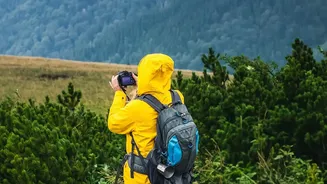
When it comes to monsoon clothing, one fabric is the enemy: cotton. It absorbs moisture, takes a very long time to dry, and will leave you feeling cold and heavy. Instead, build your wardrobe around synthetic, quick-drying fabrics like polyester and nylon. Your non-negotiable items are a lightweight, breathable rain jacket and rain pants. A poncho can also be an excellent choice as it provides great ventilation and can cover both you and your backpack. Don’t underestimate the utility of a small, sturdy umbrella, which can be invaluable during breaks or on less demanding trails. Always pack extra pairs of moisture-wicking socks to prevent blisters and keep your feet as comfortable as possible.
Your Footwear Is Your Foundation
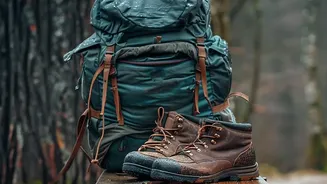
The debate over monsoon footwear is endless, but it boils down to two factors: grip and the ability to handle being wet. While waterproof trekking boots sound ideal, they can become heavy and waterlogged once moisture gets inside, taking ages to dry. Many experienced trekkers prefer non-waterproof trail runners or sturdy trekking sandals with an aggressive tread. These get wet easily but also dry out very quickly. Whichever you choose, ensure the outsole has an excellent grip suitable for muddy, slippery, and rocky trails. This is not the place to break in new shoes. Your footwear is arguably the most critical piece of gear for safety and comfort on a wet trail.
Health, Safety, And The Trail Ahead
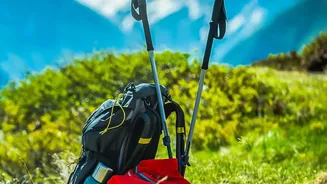
Monsoon conditions introduce specific health and safety considerations. Your first-aid kit should be updated to include antifungal powder, antiseptic wipes, and insect repellent, as mosquitoes and leeches are common. Leech socks can provide peace of mind in certain regions. Be extra cautious on trails, as paths can become treacherous and slippery. Trekking poles are highly recommended for added stability and to gauge the depth of puddles or mud. Always check weather forecasts and be aware of the risk of landslides in hilly areas. Finally, remember that travel can be slower during the monsoon, so build extra buffer days into your itinerary to avoid being rushed.