


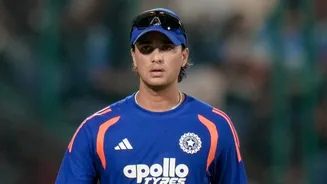
A Landmark Match Cut Short
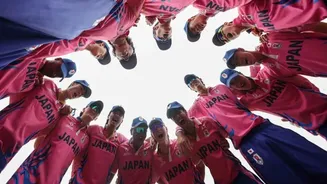
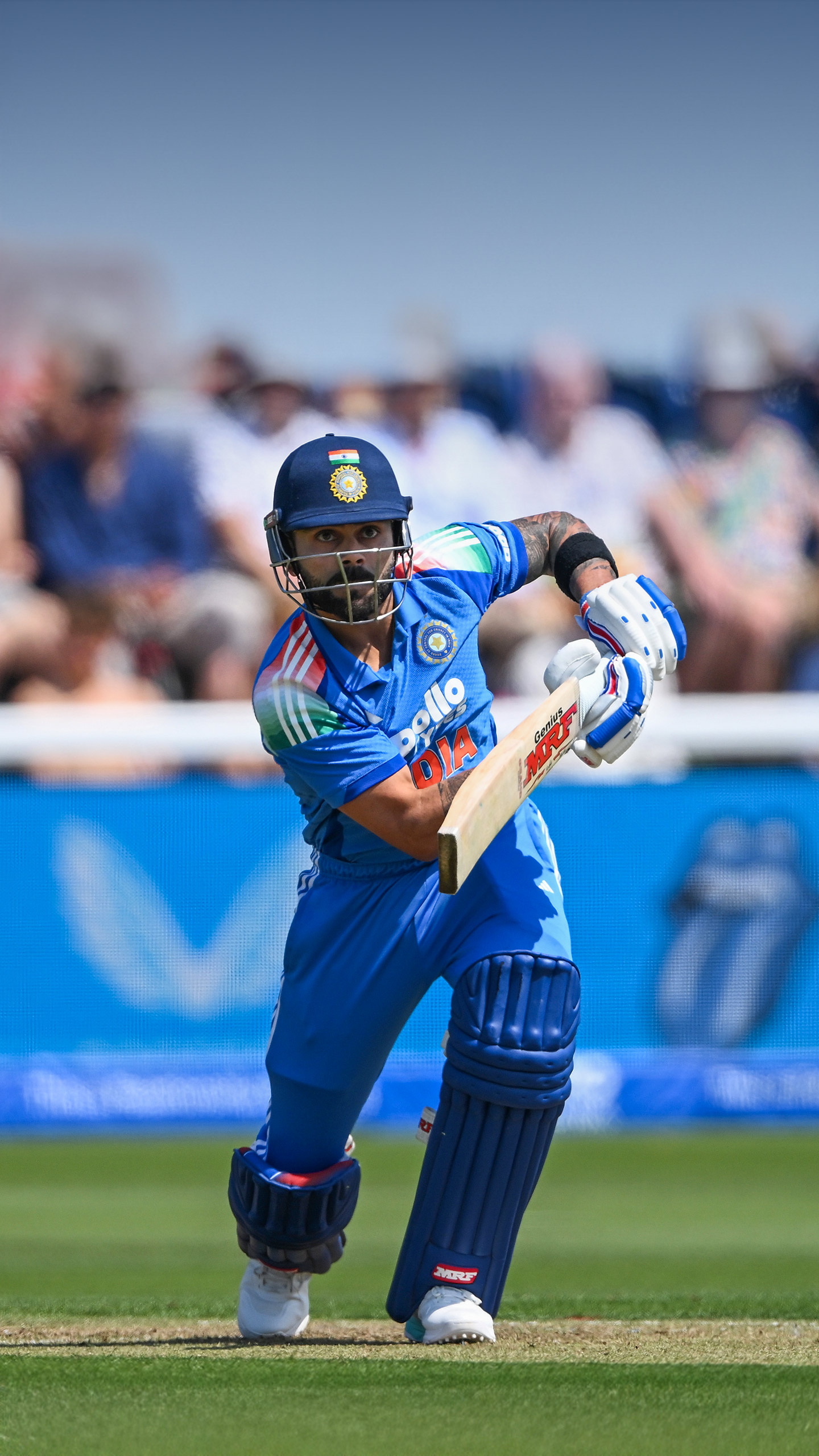
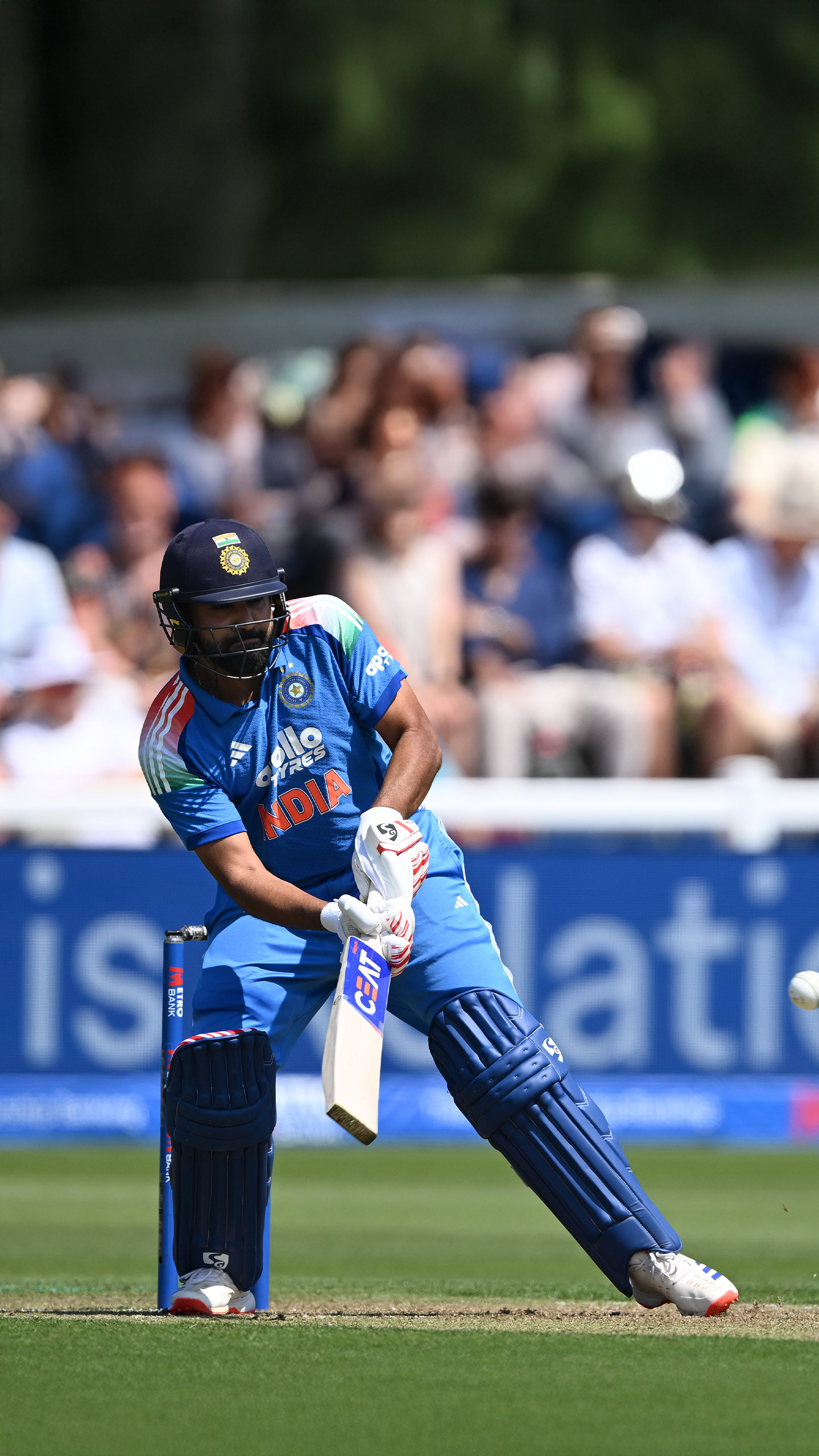
The one-off match in Sano, Japan, was a significant occasion, held to celebrate 75 years of diplomatic relations between the two nations under the banner of the Suzuki Cup. It marked the first-ever T20I encounter between the men's teams of India and Japan.
However, the historic event was disrupted by weather, with a lengthy rain delay forcing the game to be reduced to a frantic five-overs-a-side contest. India, batting first, put up a modest 32/4, and ultimately scraped through with a thrilling two-run victory in a match that left little room for error.
Trust in the Tried and Tested
The primary reason for Sooryavanshi's omission was a tactical one rooted in consistency. The team management, led by captain Shreyas Iyer, opted to stick with the established opening partnership of Sanju Samson and Abhishek Sharma. This wasn't a sudden decision; it was a continuation of the strategy employed during the preceding three-match T20I series against Afghanistan, where the Samson-Sharma duo opened in every game, leaving the young Sooryavanshi on the sidelines. With Sanju Samson finding form and scoring two half-centuries in that series, the selectors chose to back the experienced pair for the crucial, albeit short, game in Japan.
The Coach's Perspective: Earning Your Spot
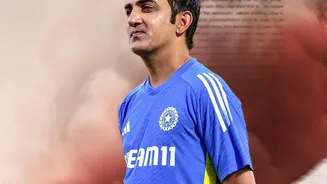
Head coach Gautam Gambhir has been clear about the team's hierarchy. While acknowledging Sooryavanshi's immense talent, Gambhir has publicly stated that the youngster must wait for his chance. According to the coach, players who have performed well for India over several years will naturally be ahead in the pecking order compared to someone who has just entered the team. This philosophy suggests a culture where new players, regardless of their prodigious talent, must earn their spot over time rather than being fast-tracked ahead of established seniors. The selection for the Japan game was a direct application of this principle.
Why the Short Format Mattered
The match being reduced to just 30 balls per innings almost certainly sealed Sooryavanshi's fate. In such a high-pressure, explosive format, there is no time for a batter to get their eye in. Teams invariably lean towards seasoned power-hitters who are known for their ability to attack from the very first ball. The decision to rely on the experience of Samson and Sharma, rather than throwing a 15-year-old into a chaotic five-over shootout, can be seen as a pragmatic and risk-averse choice by the team management.
A Growing Fan Debate
The decision to bench Sooryavanshi for this historic match wasn't viewed in isolation. It amplified a growing frustration among many Indian cricket fans and pundits. The young batter was the Player of the Series in India's recent tour of Zimbabwe, showcasing his readiness for the international stage. His continued exclusion during the Afghanistan series, even after India had already won and had a dead rubber to experiment in, was seen by many as a missed opportunity. This repeated benching has sparked a wider debate about selection strategy and whether the team should be more flexible to accommodate and nurture its next generation of stars.