


A Root and a Fruit
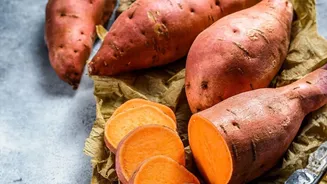
First, the basics: they aren't even the same type of plant. A sweet potato is a storage root, a tuber that grows underground and belongs to the morning glory family. Butternut squash is a type of winter squash, which is technically a fruit that grows on a vine
above ground. This botanical difference explains their physical forms. A sweet potato is dense all the way through, whereas a butternut squash has a solid neck and a hollow, seeded cavity at its bulbous end that needs to be scooped out before cooking.
The Nutritional Showdown
Here's where the two diverge significantly. The most dramatic difference is in calories and carbohydrates. Per cooked cup, butternut squash contains about 82 calories and 22 grams of carbs. In contrast, a cup of cooked sweet potato has around 180 calories and 41 grams of carbs—more than double the calories. If you're looking for a lighter, lower-carb option, butternut squash is the clear winner. However, sweet potatoes pack more of a punch in other areas. They offer more protein (about 4 grams per cup versus 2 grams in squash) and are significantly higher in potassium and Vitamin A. Both are excellent sources of fiber, with each providing about 6.6 grams per cup.
A Tale of Two Tastes
While both are known for their sweetness, their flavor profiles are distinct. Sweet potato has a pronounced, earthy sweetness and a starchy character. Think of it as a richer, sweeter version of a regular potato. Butternut squash, on the other hand, offers a milder, nuttier, and more savory flavor. While it certainly caramelizes when roasted, its sweetness is less intense than that of a sweet potato. This makes butternut squash a versatile player that can lean sweet or savory with ease.
Texture, Mouthfeel, and Cooking
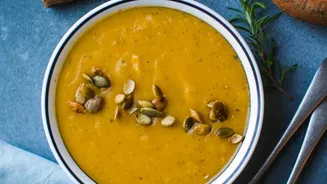
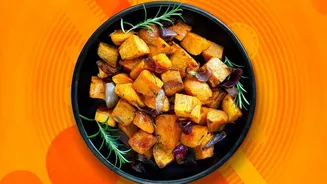
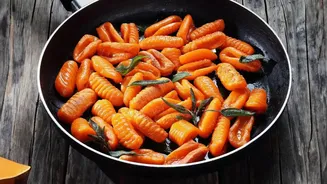
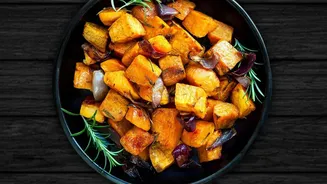
The difference in their composition directly impacts how they behave in the kitchen. Sweet potato’s dense, starchy flesh allows it to hold its shape well when roasted or fried, resulting in a creamy interior and crispy edges perfect for fries and wedges. Butternut squash has a higher water content, which makes its flesh softer and more fibrous. When cooked, it breaks down more easily, making it ideal for silky smooth soups and purees. If you roast cubes of both, you'll notice the squash softens faster and becomes more tender, while the sweet potato remains denser.
Can You Substitute One for the Other?
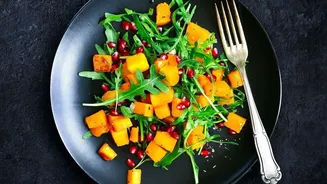
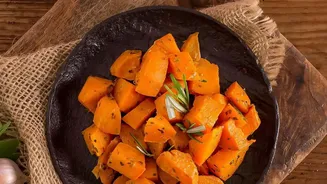
The answer is a definite 'sometimes'. For blended soups, mashes, and purees, they are easily interchangeable, though a sweet potato will yield a thicker, sweeter result. They can also be swapped when roasted in cubes, but you may need to adjust cooking times. Where you shouldn't swap them is in recipes that rely on their unique textures. Sweet potatoes are the undisputed champion for making fries or wedges that get crispy, as butternut squash’s high water content prevents it from achieving the same result. Conversely, if a recipe calls for a silky, smooth soup, butternut squash is the superior choice.