

The Great Unlearning of Instant Coffee
A quiet revolution is happening in the kitchens and cafes of South India. Young coffee drinkers, particularly millennials and Gen Z, are consciously moving away from the convenience of instant coffee. This isn't just about taste; it's a lifestyle statement.
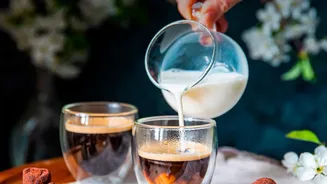
This generation, exposed to global trends and armed with a desire for authenticity, is seeking more than just a quick caffeine fix. They are interested in the story behind their cup—the origin, the processing method, and the flavour profile. The shift reflects a broader cultural trend toward mindful consumption and an appreciation for craftsmanship, where quality and experience trump speed and ease. This has led to a boom in home brewing equipment and a willingness to learn methods like pour-over and AeroPress.
From Commodity to Craft: The Rise of Estate Roasts
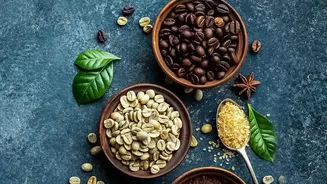
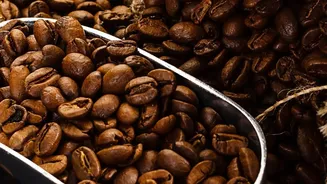
For years, much of India's high-quality coffee was exported, leaving the domestic market with mass-produced blends. Now, a new crop of local roasters and coffee brands are making these exceptional beans accessible at home. The focus is on "specialty coffee"—beans grown in specific micro-lots with full traceability back to the estate. South India, one of the world's oldest coffee-growing regions, is at the heart of this movement. Estates in Chikmagalur, Coorg (Kodagu), and the Araku Valley, once anonymous suppliers, are becoming celebrated names. These regions, nestled in the Western and Eastern Ghats, have unique ecosystems where coffee is grown under the shade of other trees, often alongside spices like pepper and cardamom, which subtly influences the beans' flavour.
The New Temples of Coffee
The third-wave coffee movement has given rise to a new kind of cafe that functions as a community hub and an educational space. Chains like Third Wave Coffee and Blue Tokai, which started in South India, have expanded across the country, creating spaces where customers can learn about different beans and brewing techniques from trained baristas. These cafes are not just places to grab a cappuccino; they host cupping sessions, workshops, and competitions, fostering a vibrant community of coffee lovers. The aesthetic of these spaces—often minimalist and social media-friendly—has also played a role in making specialty coffee a lifestyle trend for a younger, digitally native audience.
Discovering a Uniquely Indian Palate
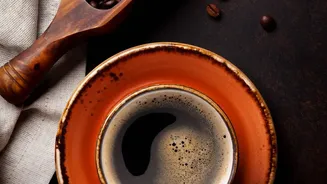
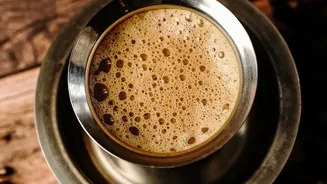
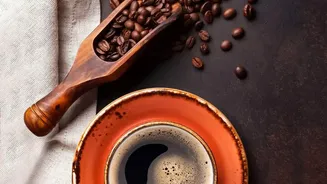
This trend is also about rediscovering and celebrating the unique flavours of Indian coffee. Forgoing the traditional milky and sugary filter kaapi, enthusiasts are exploring black coffees that highlight the bean's origin. Indian Arabica beans, particularly those from high-altitude estates, are known for their relatively low acidity and notes of spice, chocolate, and nuts. Coffees from Chikmagalur are often described as smooth and balanced, while those from Coorg can have a comforting depth with hints of spice. The shade-grown method, a hallmark of Indian coffee cultivation, results in a slower-maturing bean with more complex and layered flavours. Roasters are also experimenting with processing methods—like natural, washed, and honey fermentation—to unlock even more nuanced fruity and floral notes.