







Designing for Daily Movement
One of the most significant ways cities influence health is by encouraging or discouraging physical activity. For decades, many urban centres were designed around cars, leading to sedentary lifestyles. Today, the focus is shifting towards creating environments
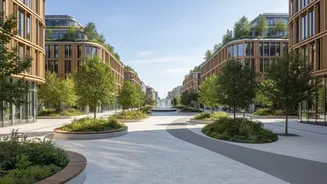
that promote movement. This includes building extensive and safe networks of footpaths and cycling lanes, making it easier and more enjoyable for people to walk or bike for their daily commute or errands. Cities like Pune and Bengaluru have started implementing initiatives to improve walkability and cycling infrastructure. The key is interconnectedness—streets that are easy to navigate on foot, with accessible public transport options, can help residents meet physical activity guidelines without needing a gym membership. Well-designed neighbourhoods with a mix of homes, shops, and offices reduce the need for long car journeys, seamlessly integrating movement into daily routines.
Making Healthy Food Accessible
A person's diet is fundamental to their health, but access to nutritious food is not always equal. Many urban areas contain 'food deserts', where fresh produce is scarce and unhealthy processed foods are abundant. Urban planning can directly address this inequity. Initiatives like community gardens and farmers' markets not only provide access to fresh, locally grown produce but also serve as social hubs that strengthen community ties. Policies can support these efforts by zoning land for urban agriculture or creating subsidies for healthy food retailers in underserved areas. Some cities are even pioneering mobile markets on cargo bikes to bring fresh meals to transit hubs, turning the healthy option into the convenient one. By integrating food systems into urban design, cities can empower residents to make healthier dietary choices.
Nurturing Mental Well-being
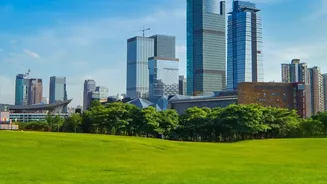
A healthy city is not just about physical fitness; it is also about mental and emotional well-being. The constant noise, congestion, and stress of urban life can take a toll. Green spaces are a powerful antidote. Research consistently shows that access to parks, gardens, and even tree-lined streets can reduce stress, improve mood, and enhance cognitive function. For these benefits to be fully realised, green spaces must be easily and safely walkable. Beyond parks, cities can design public spaces that foster social connection, which is vital for mental health. Well-lit plazas with ample seating, community centres, and playgrounds encourage interaction and combat loneliness. Some cities are even experimenting with creating 'quiet zones' to offer residents a respite from urban noise pollution.
The Rise of the '15-Minute City'
A concept gaining global traction is the '15-minute city', which aims to design neighbourhoods where all essential services—work, shopping, education, healthcare, and recreation—are within a 15-minute walk or bike ride. This model inherently promotes a healthier lifestyle by reducing car dependency, increasing physical activity, and strengthening local communities. It also improves air quality by cutting down on traffic emissions. While this approach offers immense benefits, successful implementation requires careful planning to ensure it serves all residents equitably and avoids issues like gentrification. When done right, it represents a holistic vision where urban design directly supports the daily health and well-being of its citizens.