




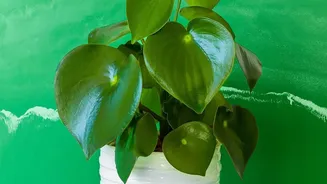

Start With the Right Plant
The easiest way to succeed is to choose a plant that’s hard to kill. Many beginners start with delicate plants that require perfect conditions, which can be discouraging. Instead, opt for famously resilient varieties that tolerate a range of environments.
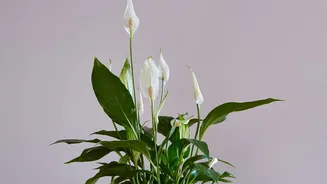
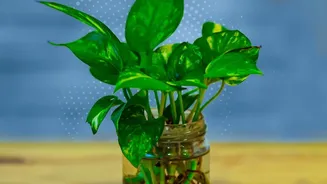
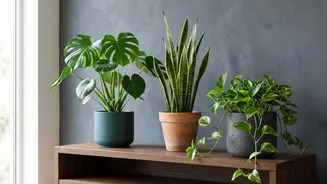
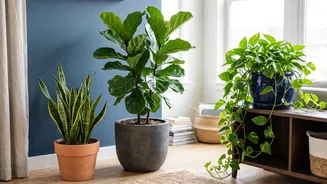
Plants like the Snake Plant, ZZ Plant, and Money Plant (Pothos) are perfect for Indian homes. They are known for being hardy, surviving imperfect light and less-than-regular watering schedules. Starting with one or two of these low-maintenance options builds confidence and helps you learn the basics without constant stress.
Master the Art of Watering
The most common mistake new plant owners make is improper watering, especially overwatering. Instead of watering on a strict schedule, like every Saturday, check the soil first. The best hack is the 'finger test': stick your finger about an inch or two into the soil. If it feels dry, it’s time to water. If it’s still moist, wait a few more days. This simple trick prevents root rot, which happens when roots sit in soggy soil and can't get oxygen. When you do water, do it thoroughly until water runs out of the drainage hole at the bottom of the pot, then discard the excess water from the saucer.
Provide the Proper Light
Light is a plant's food, but not all light is created equal. Most houseplants thrive in 'bright, indirect light'. This means a spot near a window where they can see the sky but aren't hit by harsh, direct sunbeams, which can scorch their leaves. A spot near an east-facing window is often ideal, providing gentle morning sun. South or west-facing windows offer more intense light, which can be filtered with a sheer curtain. Pay attention to your plant; if it starts stretching towards the window with sparse leaves, it likely needs more light. If its leaves look faded or burnt, it might be getting too much.
Choose the Right Home for Your Plant
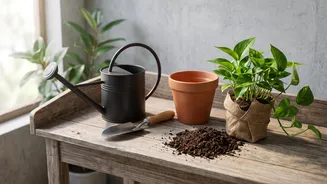
A plant's pot is its home, and the most crucial feature is a drainage hole. Without drainage, excess water pools at the bottom, leading to the dreaded root rot. If you fall in love with a decorative pot that has no hole, use it as a 'cachepot'. Simply keep your plant in its plastic nursery pot (with holes) and place it inside the decorative one, removing it to water. When it's time to repot, only choose a container that is 1-2 inches wider in diameter than the current one. A pot that’s too large holds excess soil and moisture, which can also cause roots to rot.
Feed Your Plants, but Don't Overdo It
Houseplant soil has a limited amount of nutrients. Over time, your plant will use them up. That's where fertilizer comes in, acting as a supplement. However, for beginners, over-fertilizing is a much bigger risk than under-fertilizing. A simple hack is to use a balanced liquid fertilizer diluted to half the recommended strength. Feed your plants only during their growing season (typically spring and summer). Before you fertilize, always water the plant lightly first. Never apply fertilizer to dry soil, as it can burn the roots. This gentle approach ensures your plant gets the boost it needs without being overwhelmed.