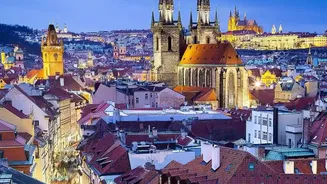


Riga, Latvia: History in a Hangar
Often overlooked for its Scandinavian neighbors, Riga is a treasure of Art Nouveau architecture and rich history. The heart of its culinary and social life is the Riga Central Market (Centrāltirgus), one of the largest and most impressive in Eastern Europe.
The market's most striking feature is its home: five massive pavilions that were originally built in the 1920s as hangars for German Zeppelin airships. This unique setting is now a UNESCO World Heritage site, bustling with locals doing their daily shopping.Each hangar specializes in different goods: one for meat, another for fish, one for dairy, and one for vegetables. Visitors can sample traditional Latvian foods like smoked lamprey, hearty rye bread, caraway cheese, and sauerkraut. It’s a fantastic place for a budget-friendly lunch, with stalls selling everything from fresh pastries to full meals at prices much lower than in the tourist-centric Old Town. For the freshest experience, go in the morning on a weekday and bring cash, as some smaller vendors prefer it.
Ljubljana, Slovenia: The Riverside Living Room
Charming, green, and incredibly walkable, Ljubljana is a capital city that feels like a friendly town. Its soul is the Central Market, an expansive affair designed by famed architect Jože Plečnik that stretches along the Ljubljanica River. The market is a true social hub, divided into an open-air section in Pogačarjev and Vodnikov squares, and a covered section in Plečnik's beautiful riverside colonnades.Here, you'll find everything from seasonal produce brought in by local farmers to Slovenian specialties. Look for 'bučno olje' (pumpkin seed oil), Kranjska klobasa (Carniolan sausage), and local honey. The covered market is home to butchers, fishmongers, and bakeries. On sunny Fridays from March to October, the Pogačarjev square transforms into 'Odprta Kuhna' (Open Kitchen), a vibrant street food festival where you can sample dishes from Slovenia's top chefs. For a quirky local experience, look for the 'mlekomat'—a vending machine dispensing fresh, unpasteurized milk.
Bologna, Italy: The Medieval Food Maze
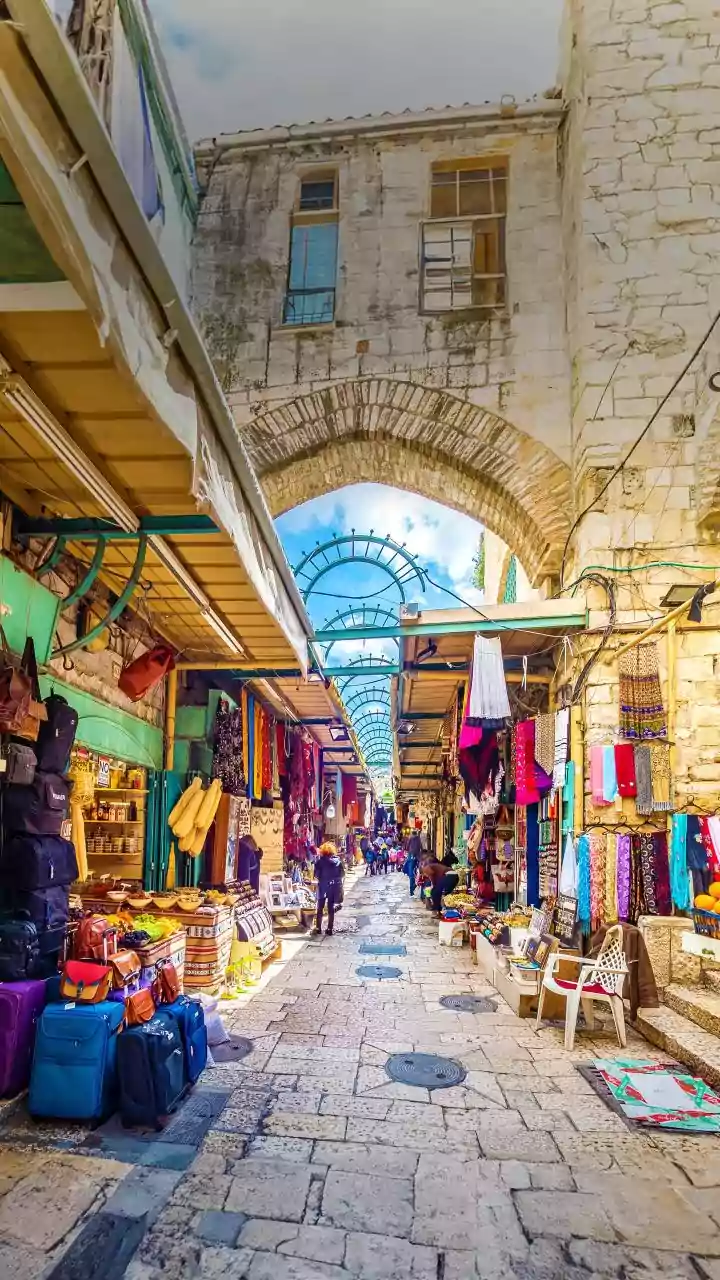
While not exactly unknown, Bologna is often bypassed for Italy's 'big three' (Rome, Florence, Venice). But for food lovers, 'La Grassa' (the Fat One) is the true capital. The best place to dive in is the Quadrilatero, the city's ancient market district. This isn't a single market but a dense, atmospheric maze of narrow medieval streets just off Piazza Maggiore. The street names—Via Pescherie Vecchie (Old Fishmongers Street), Via Drapperie (Drapery Street)—hint at the area's history as a trade hub since the Middle Ages.Today, these lanes are packed with historic 'salumerie' (delicatessens), bakeries, pasta shops, and market stalls overflowing with the bounty of the Emilia-Romagna region. You can find world-class Parmigiano Reggiano, prosciutto, and fresh tortellini. The Quadrilatero is also home to the Mercato di Mezzo, a modern, three-story food hall perfect for grabbing a quick bite like a piadina (flatbread sandwich) or a plate of pasta.
Ghent, Belgium: The Friday Gathering
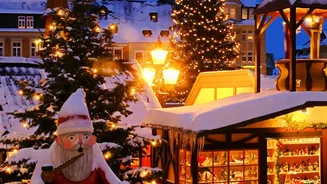
Often living in the shadow of nearby Bruges, Ghent is a vibrant university city with stunning Gothic architecture and a more grounded, local feel. At its historical center lies the Vrijdagmarkt ('Friday Market'), a square that has been the hub of public life for centuries. As the name suggests, a market has been held here every Friday morning since 1199.The square itself is lined with beautiful guild houses and cafes, all watched over by a statue of Jacob van Artevelde, a 14th-century leader. While the Friday market is the main event, where vendors sell everything from clothes to food, the square is a lively spot all week long. It's surrounded by pubs and restaurants, making it a perfect place to absorb the city's atmosphere. It has been the scene of festivals, declarations, and even executions, making a visit a step into the city's rich and sometimes tumultuous history.