









A New Generation’s Driving Values
India's Gen Z is not just a demographic; it's a force of change. Raised with unprecedented awareness of climate change and environmental issues, their values are increasingly shaping the market. Studies show this generation is more environmentally sensitive
and gives greater weight to the ethics of businesses when making purchases. This extends to major life decisions, like buying a first car. They crave independence and mobility but are unwilling to completely ignore the environmental cost. This generation isn't just looking for a product; they are looking for solutions that align with their worldview, which prioritizes sustainability, ethical practices, and responsible consumption.
Decoding E20: India's Fuel of the Future
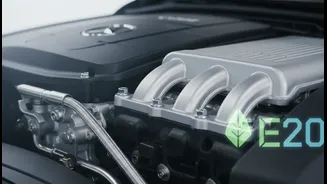
Enter E20 fuel. At its core, E20 is a blend of 80% petrol and 20% ethanol. Ethanol is a biofuel, a form of renewable energy primarily produced from agricultural sources like sugarcane and maize in India. This isn't just a niche experiment; it's a nationwide policy. India has successfully rolled out E20 fuel across the country, achieving its 20% blending target years ahead of schedule. The government's Ethanol Blended Petrol (EBP) Programme has four major goals: reducing the country's heavy reliance on imported crude oil, lowering carbon emissions, boosting farmer incomes, and enhancing India's energy security.
The Greener Choice on the Forecourt
The primary appeal of E20 for the eco-conscious is its environmental benefit. Because ethanol is an oxygenated fuel, it helps petrol burn more completely. This results in significantly lower tailpipe emissions of harmful pollutants like carbon monoxide and hydrocarbons, which contribute to urban smog and poor air quality. By displacing a portion of fossil fuels, ethanol helps lower the overall carbon footprint of transportation. Moreover, by creating a stable, domestic market for crops like sugarcane, the policy provides direct support to India's agricultural sector, a point that resonates with a generation that increasingly values supporting local economies and farmers.
Automakers Answer the Call
Recognizing this seismic shift in both policy and consumer sentiment, India's automakers have responded decisively. Since 2023, major manufacturers like Maruti Suzuki, Hyundai, Tata Motors, and Mahindra have made their entire vehicle lineups E20-compliant. This means that from the entry-level Alto or Tiago to popular SUVs like the Nexon and Creta, the vast majority of new cars sold today are specifically engineered to run efficiently and safely on E20 fuel. These are not niche, expensive 'eco' models but the very heart of the mass market. The cars are built with ethanol-resistant materials in the fuel system to prevent corrosion and ensure long-term durability.
Pragmatic Idealism: The Perfect Match
The alignment is about more than just emissions. While young Indians are concerned about the planet, they are also famously pragmatic and value-conscious. E20-compatible cars don't force a choice between their ideals and their wallets. While ethanol has a slightly lower energy density, which can lead to a minor drop in mileage of about 3-5% in some vehicles, the government's push for E20 aims to stabilize long-term fuel prices by reducing dependence on volatile global oil markets. For a young buyer, choosing an E20-ready car is a smart, forward-looking decision. It’s an affordable, practical step towards sustainability, supporting a national energy goal without requiring the premium price tag often associated with green technology. This blend of ecological benefit, economic prudence, and national interest makes E20-compatible cars a perfect fit for the aspirations of modern young India.