
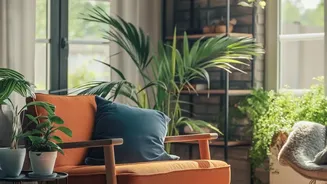

Choose the Right Green Warriors
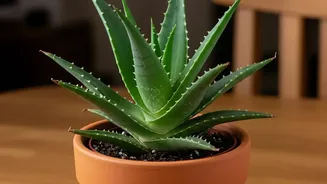
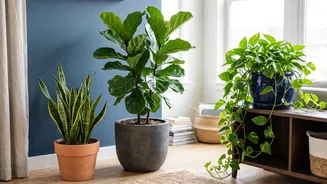
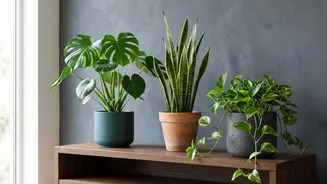
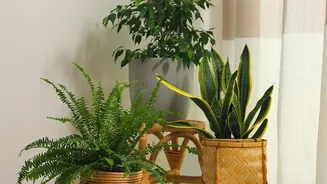
The secret to a thriving low-light garden is starting with the right plants. Not all houseplants are created equal; some are practically designed for shady corners and busy owners. Look for species known for their resilience and adaptability. The Snake
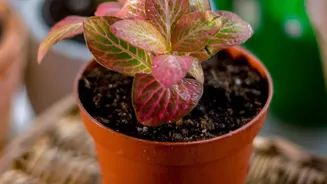
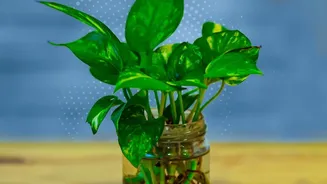
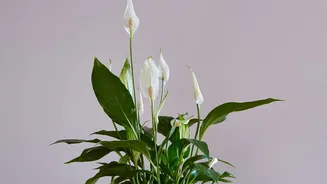
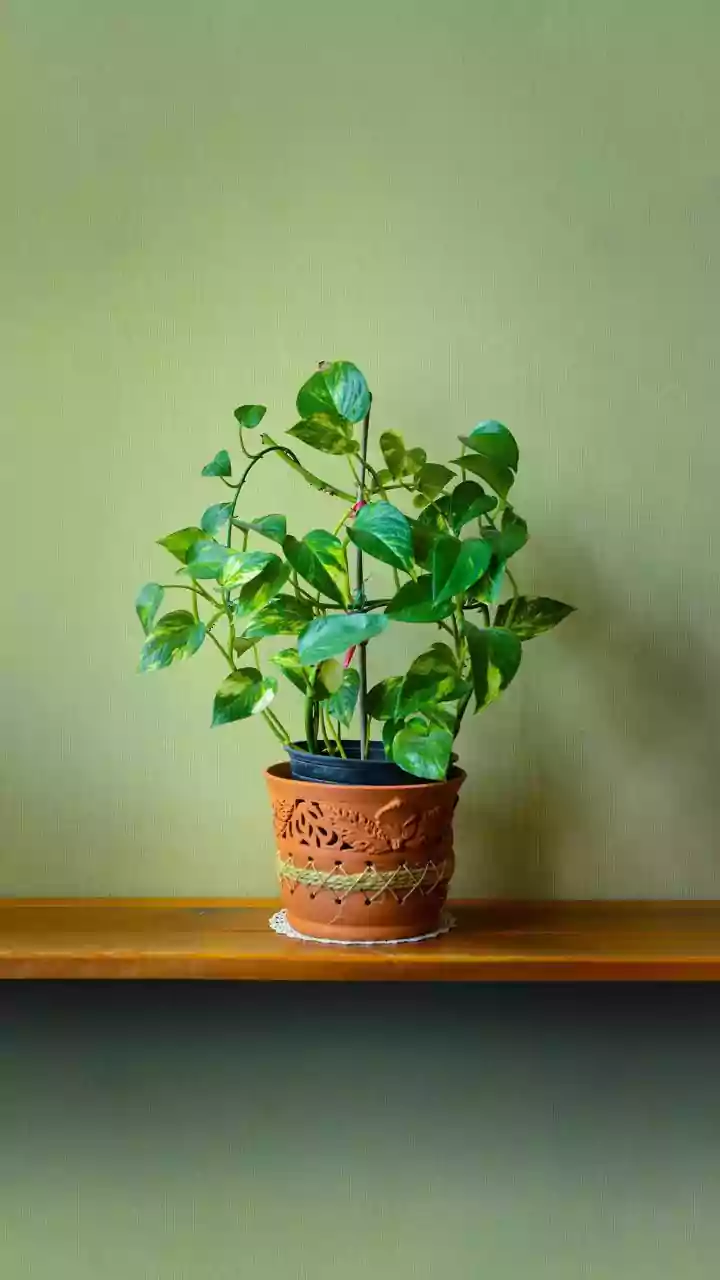
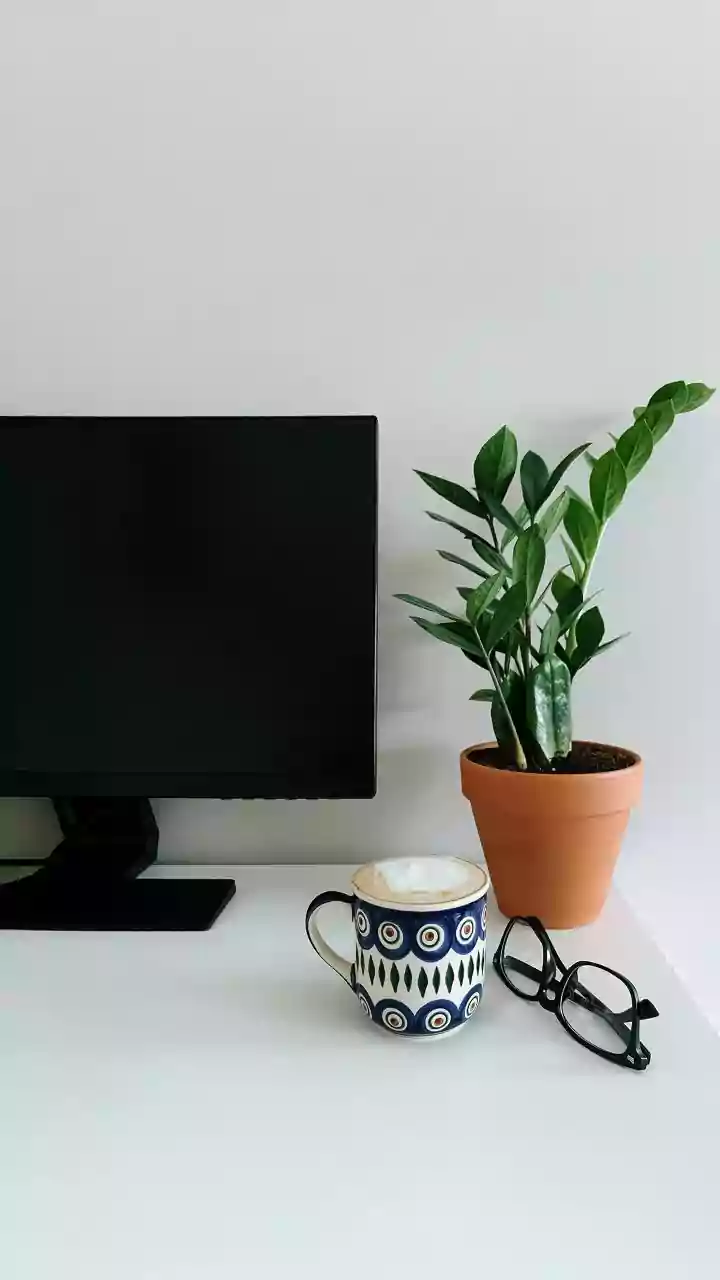
Plant, for instance, is nearly indestructible and is even considered auspicious in Vastu. Another excellent choice is the ZZ Plant, whose glossy, dark green leaves add a touch of elegance while tolerating infrequent watering and minimal light. For something with a bit of flair, consider the Pothos (often called Money Plant) with its trailing vines that are perfect for shelves or hanging baskets. The Peace Lily, with its beautiful white blooms, and the patterned Chinese Evergreen are also fantastic options that survive and even flourish in dimmer environments.
Understand What 'Low Light' Really Means
Before you place your new plant in a windowless bathroom, it's important to understand what 'low light' means in the plant world. It doesn't mean 'no light'. Most low-light tolerant plants thrive in indirect or filtered sunlight. Think of a spot in a room that is several feet away from a window, or in a room with a north-facing window that gets no direct sunbeams. An easy way to test your light is the shadow test: hold your hand up during the day. If it casts a soft, blurry shadow, you likely have low light. If it casts a sharp, defined shadow, the light is too bright for these plants. No natural light at all will likely require a grow light for long-term survival.
Master the Art of Watering
The single most common mistake new plant parents make is overwatering, especially in low-light conditions. Because these plants are performing less photosynthesis, they use water much more slowly. Constantly wet soil suffocates the roots, leading to root rot, which is the number one killer of houseplants. Signs of overwatering often include yellowing leaves near the base of the plant, a musty smell from the soil, or even tiny flying insects called fungus gnats. The best rule is to water only when the soil is dry. Before you water, stick your finger about an inch into the soil. If it feels dry, it's time to water. If it's still moist, wait a few more days and check again. Always use pots with drainage holes to allow excess water to escape.
Get Creative with Your Space
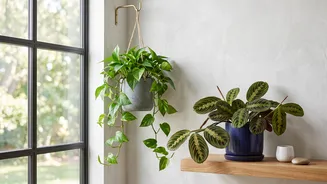
A small room doesn't mean you have to limit your plant collection. The key is to think vertically. Instead of taking up precious floor space, use wall-mounted shelves, multi-tiered plant stands, or backless bookcases to display your greenery. Hanging planters are another fantastic way to add life to a room without sacrificing surface area. You can hang them from the ceiling or wall brackets, allowing plants with trailing vines like Pothos to create a lush, cascading effect. Don't forget about your windowsills; even if they don't get direct sun, they can be a perfect home for a small collection of plants in decorative pots. You can also place smaller pots on desks, nightstands, or dressers to bring a touch of nature into every corner.
Simple Care for Strong Growth
Beyond watering, a few simple habits can keep your low-light plants healthy. Since they grow more slowly, they need less fertiliser. Feeding them once or twice during the main growing season is usually enough; too much can burn their roots. One of the most helpful things you can do is to regularly wipe down their leaves with a damp cloth. Dust accumulation can block the limited light available, hindering photosynthesis. Finally, make it a habit to rotate your plant every week or two. This ensures all sides of the plant get some light, promoting even growth and preventing it from leaning in one direction as it reaches for a light source.