


Getting to Know Your Millets
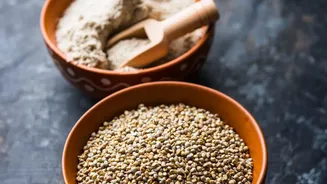
Before you start cooking, it helps to know the key players. Jowar (sorghum) is mild and versatile, making it one of the easiest to start with. Bajra (pearl millet) has a stronger, nutty flavour and is known to be warming, making it ideal for winter months.
Ragi (finger millet) is famously rich in calcium and has an earthy taste. For replacing rice, lighter millets like foxtail (kangni/thinai), kodo, barnyard (sanwa), and little millet are excellent choices as they cook up light and fluffy. Understanding their unique tastes and textures is the first step to successful substitution.
The Easiest Swap: Replacing Rice
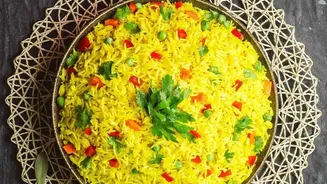
The most straightforward way to begin your millet journey is by substituting rice. Foxtail, kodo, barnyard, and little millets are fantastic alternatives. The key is preparation. Always rinse the millets thoroughly and soak them. Soaking times can vary: 30 minutes to two hours is sufficient for foxtail and little millets, while tougher grains like kodo may need 4-6 hours. For cooking, a general ratio is 1 part millet to 2 or 2.5 parts water. You can cook them in an open pot or a pressure cooker for 2-3 whistles. Once cooked, fluff with a fork and use it as you would rice—with dal, sambar, or in dishes like pulao, lemon rice, and khichdi.
Mastering Millet Rotis
Replacing wheat flour in rotis is a common goal, but it requires a different technique because millet flours like jowar, bajra, and ragi are gluten-free. Gluten provides the elasticity that makes wheat dough easy to roll. The single most important trick for millet rotis is to use hot, boiling water to make the dough. This process, called gelatinisation, helps bind the flour. Add the flour to boiling water, mix, and then knead it well while it's still warm. Don’t try to roll these rotis as thin as a chapati; a thicker, hand-patted bhakri is the traditional and more effective method. If you're finding it difficult, start by mixing 50% millet flour with 50% whole wheat flour to get used to the texture.
Millets in Batters and Baking
Millets are incredibly versatile in batters. You can easily replace rice in your idli and dosa batter with foxtail millet for a nutritious breakfast. Adding ragi flour to your regular dosa batter is another simple way to incorporate it. When it comes to baking, millet flours can add a wonderful, nutty flavour and a delicate, crumbly texture to cakes, muffins, and cookies. Since they are gluten-free and absorb more moisture, it's best not to substitute them 1:1 for wheat flour initially. A good starting point is to replace 20-25% of the regular flour with millet flour and see how it affects the texture, gradually increasing the ratio as you get more comfortable. Blending millet flour with other flours like whole wheat or almond flour often yields the best results.
Creative Ways to Start Your Day
Breakfast is a great meal to experiment with millets. Beyond idli and dosa, you can make a hearty upma using little millet or foxtail millet instead of semolina. Simply cook the millet first and then temper it with your usual spices and vegetables. Ragi is perfect for making a nutritious porridge, known as ambali in some regions, which can be made sweet or savoury. You can even find recipes for millet-based pancakes and crepes (chillas) that offer a healthy and filling start to the day. These simple swaps can diversify your morning menu while boosting its nutritional value.