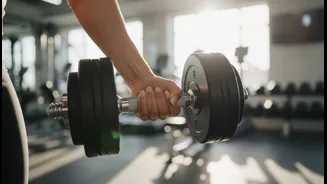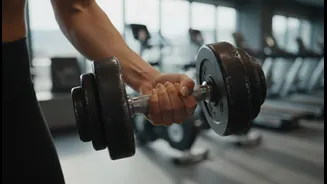








A New Goal: Training for Longevity
The conversation around fitness is changing. The goal is no longer just about shedding kilos for an upcoming event; it's about building a body that stays strong and functional for decades. This pivot towards 'healthspan'—the number of years lived in good
health—is a primary reason resistance training has moved to the forefront. Trainers are increasingly focused on the long-term benefits that lifting weights provides. Recent studies underscore this, linking just a couple of hours of strength training per week to a significantly lower risk of dying from major conditions like heart disease. In India, where there's a growing awareness of active aging, this message resonates deeply, with trainers programming workouts that build a foundation for a healthier, more vibrant future.
The Metabolic Advantage
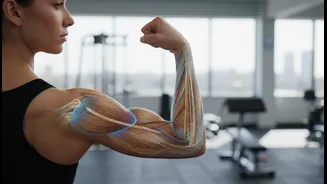
One of the most compelling arguments for resistance exercise is its profound impact on metabolism. While cardio burns calories during the workout, strength training builds muscle, and muscle tissue burns more calories at rest than fat does. This increases your resting metabolic rate, making weight management more sustainable over time. Personal trainers are highlighting this benefit to clients concerned about lifestyle diseases like type 2 diabetes, which are prevalent in India. More muscle mass means your body becomes more efficient at managing blood sugar. Muscles act like sponges, soaking up glucose from the bloodstream, which improves insulin sensitivity and overall metabolic health. This makes resistance training a powerful tool for prevention, not just aesthetics.
Building More Than Muscle
The benefits of putting your muscles under load extend directly to your skeleton. Resistance training places productive stress on your bones, signalling your body to build them up denser and stronger. For women in particular, this is a crucial defence against osteoporosis later in life. Trainers now emphasize that exercises like squats, deadlifts, and overhead presses aren't just for building bigger muscles; they are fundamental movements for maintaining bone density and joint integrity. Furthermore, stronger muscles improve your balance and stability, reducing the risk of falls and injuries as you age and ensuring you can carry groceries, play with your kids, or climb stairs with confidence.
Shattering Old Myths
For decades, many women avoided the weights section, fearing they would become 'bulky'. This myth is finally being dismantled, thanks to better science and a wave of fitness influencers and trainers promoting the real benefits. Trainers are now actively encouraging female clients to lift weights, explaining that women's hormonal profiles don't typically lead to massive muscle gain without very specific, intense training and diet. Instead, resistance training helps women build lean muscle, which creates a 'toned' look, boosts metabolism, and provides all the longevity benefits mentioned earlier. The sight of women confidently claiming their space in the strength area is no longer an exception; it's a driving force behind this modern fitness trend.
The Perfect Partnership with Cardio
The rise of resistance training doesn't mean the end of cardio. Trainers aren't advising you to ditch the treadmill entirely. Instead, they are advocating for a balanced approach where both modalities work together. Aerobic exercise remains essential for cardiovascular health and endurance. The modern, effective fitness plan combines the heart-pumping benefits of cardio with the muscle-building, metabolic-boosting power of strength training. A trainer might structure your week with two or three days of resistance work focused on major muscle groups, complemented by a couple of cardio sessions. This synergistic approach delivers the most comprehensive results for both immediate fitness and long-term health.