





The Climate Reality Check
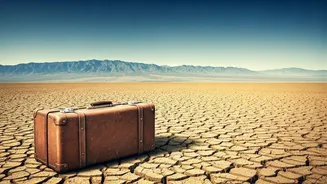
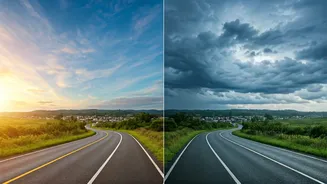
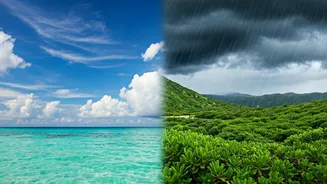
The traditional Indian travel calendar—summer holidays in May, a monsoon break in July, or a winter trip in December—is becoming less reliable. Extreme weather is no longer a rare disruption but an active factor in planning. [19] Recent years have seen
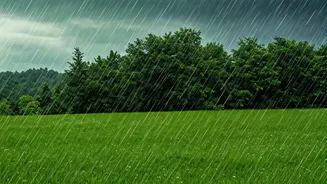
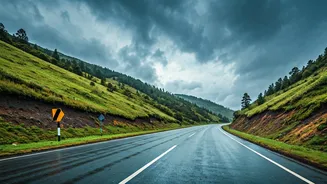
record-breaking heatwaves making sightseeing in cities unbearable and erratic, intense monsoons leading to floods and landslides in popular hill stations and coastal areas. [8, 22] A 2026 report noted that over two-thirds of Indian travellers now consider extreme weather risks when choosing where and when to go. [7] For many young Indians, a holiday is an investment of time and money, and they are unwilling to gamble it on unpredictable weather. The result is a proactive shift towards destinations and timings that promise pleasant, stable conditions.
What is 'Weather-Smart' Travel?
Being weather-smart is more than just packing an umbrella. It's a strategic approach to travel that prioritises climate comfort and safety. This often means embracing the 'shoulder season'—the period just before or after the peak tourist rush. [2] Think of destinations like Himachal or Uttarakhand in March and April, or Rajasthan in late September and October. [10, 14] During these times, the weather is often at its most pleasant, the crowds are thinner, and prices for flights and hotels are significantly lower. [5, 21] This approach allows travellers to experience popular places without the stress of peak-season chaos or the discomfort of extreme temperatures, blending savvy economics with a better holiday experience. [2]
The Rise of Cooler Escapes
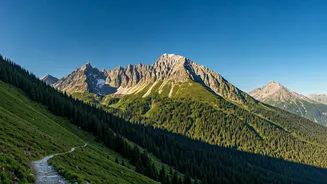
As summer temperatures soar across the plains, there's a clear migration towards cooler climates. Hill stations have always been popular, but the demand is now more consistent and extends beyond the usual two-month window. [16] Young professionals, aided by flexible and remote work policies, are driving a trend of 'workations' and long-term stays in mountain towns across Himachal Pradesh and Uttarakhand. [4] These destinations offer a respite from the heat, a lower cost of living, and a slower pace of life. [4] Simultaneously, southern destinations with more moderate climates, like the coasts of Kerala and parts of Tamil Nadu outside the main monsoon period, are also gaining favour. Travellers are actively seeking out microclimates and regions less prone to the punishing extremes of both summer and monsoon. [2]
A New Generation's Priorities
This shift is also driven by the unique values of Gen Z and Millennial travellers. For them, travel is an act of self-expression, not just a trip. [9, 15] Reports indicate they prefer multiple, shorter trips over one long annual holiday and value unique, personal experiences over pre-planned itineraries. [9, 24] This generation is also highly conscious of sustainability and the impact of overtourism. [7, 13] Choosing to travel in the off-season aligns with these values by distributing tourist footfall more evenly throughout the year. [7] Instead of contributing to the strain on popular spots during peak times, they are discovering the charm of destinations in their quieter, more authentic moments. This conscious choice reflects a desire for travel that is not only enjoyable but also more responsible.
Planning for the Perfect Climate
Technology plays a crucial role in the rise of the weather-smart traveller. Advanced weather forecasting apps, climate-focused travel blogs, and real-time social media updates empower people to make highly informed decisions. They can monitor weather patterns, check for potential disruptions like landslides or waterlogging, and read recent reviews from other travellers. [8] This digital toolkit allows for a level of dynamic planning that was previously impossible. A trip can be booked weeks or even just days in advance based on a favourable forecast, a trend that aligns with the spontaneous nature of many young travellers. [9, 20] The focus is shifting from a static, destination-first mindset to a dynamic, experience-first approach where good weather is a non-negotiable part of the perfect getaway.