

The Invisible Item on Your Plate
Microplastics are minuscule plastic fragments, less than five millimetres long, that come from the breakdown of larger plastic items. They've found their way into our soil, water, and air, and consequently, into the food chain. Recent studies have found these
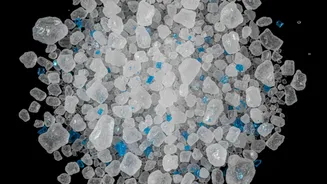
particles in a wide array of common staples, from bottled water and seafood to salt and sugar. A 2024 study in India, for example, found microplastics in all tested brands of packaged salt and sugar. While the long-term health effects are still under investigation, many people are looking for ways to reduce their exposure. The good news is that several simple, conscious choices in the kitchen can make a real difference.
Rethink Your Drinking Water
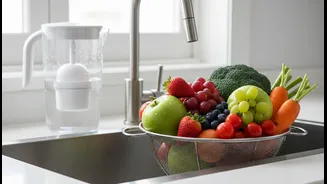
One of the most significant sources of microplastic ingestion is bottled water. Studies have consistently shown that bottled water can contain substantially more plastic particles than tap water, often due to the plastic packaging and bottling process itself. Some research suggests a single litre of bottled water can contain hundreds of thousands of plastic fragments. The simplest swap is to drink filtered tap water. Using a good quality water filter can help remove contaminants, and storing it in glass or stainless steel bottles instead of single-use plastic ones further reduces your exposure. This single habit change can lower your annual intake of microplastics from water significantly.
Heat Food, Not Plastic
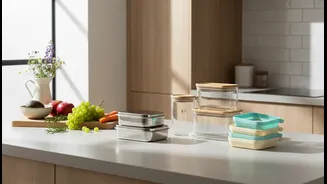
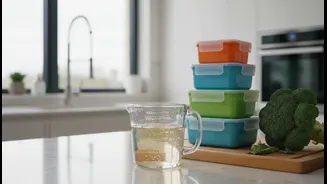
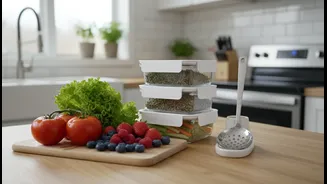
How you store and reheat your food matters immensely. Microwaving food in plastic containers can cause a massive release of microplastics and even smaller nanoplastics directly into your meal. Heat accelerates the breakdown of the plastic, leading to leaching. The safer alternative is to transfer leftovers into glass or ceramic containers before heating them. Similarly, try to avoid letting plastic wrap touch your food, especially during microwaving. A recent clinical trial found that minimising contact between food and plastic, from packaging to kitchenware, can reduce the levels of plastic-associated chemicals in the body in as little as one week.
Swap Your Chopping Board and Teabag
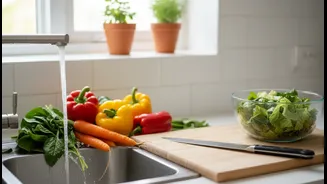
Two surprising sources of microplastics in the kitchen are plastic cutting boards and teabags. Studies have shown that chopping vegetables on a plastic board can shed millions of tiny particles into your food annually. The knife action essentially scrapes microscopic fragments off the board's surface. Switching to a wooden or bamboo cutting board can eliminate this source of contamination. Many teabags, particularly the silky, pyramid-shaped ones, are made of nylon or other plastics that release billions of micro- and nanoplastic particles when steeped in hot water. Choosing loose-leaf tea and using a metal or ceramic infuser is a simple and effective way to enjoy a plastic-free cup.
Choose Fresh and Less Processed
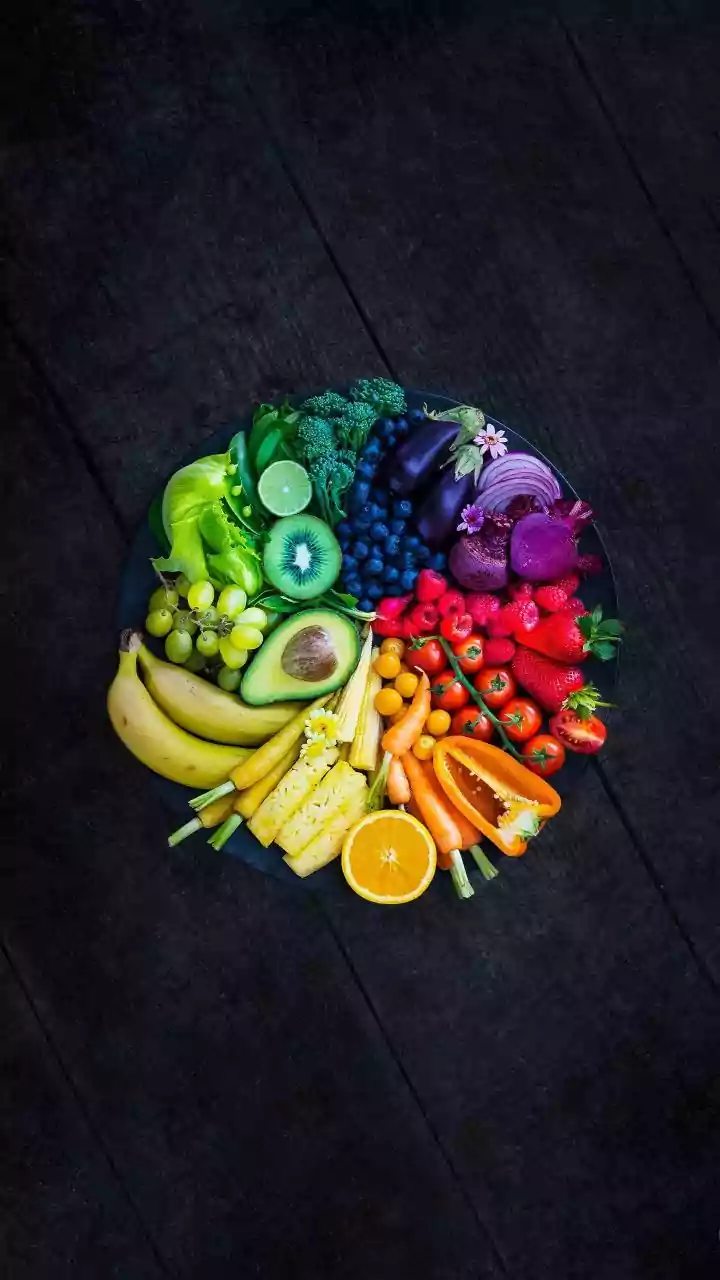
As a general rule, the more processed and packaged a food item is, the more opportunities it has had to come into contact with plastic. Highly processed foods, like ready-to-eat chicken nuggets, have been found to contain significantly more microplastics than their unprocessed counterparts, such as fresh chicken breast. By prioritising fresh fruits, vegetables, and whole foods with minimal packaging, you naturally reduce your exposure. This approach not only helps you avoid plastics from packaging and industrial food processing but also often leads to a healthier diet overall.