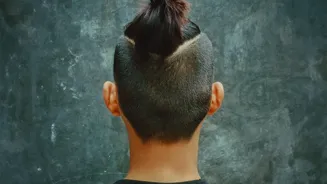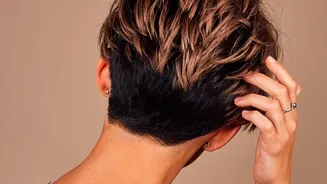






The undercut has been a bold style statement for decades, but it's more than just one look. It's a versatile, practical, and highly personal haircut that can range from subtle to dramatic, making it a timeless choice for anyone looking for a change.
What Exactly Is an Undercut?
At
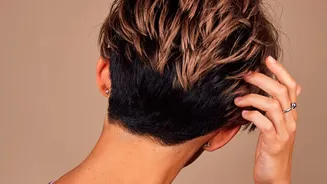
its core, an undercut is a hairstyle where the hair on the sides and back of the head is cut significantly shorter than the hair on top. The defining feature is the contrast between the two sections. Unlike a fade, which creates a gradual, seamless transition, a classic undercut has a distinct, sharp line separating the short and long hair. This 'disconnection' is what gives the style its signature bold look. It’s a versatile technique that works for all genders and can be adapted to any hair length or texture, from straight and wavy to curly and coily.
The Key Variations to Know
Not all undercuts are the same. The 'disconnected' undercut features that sharp, unblended line between the short sides and long top. For a softer look, an undercut can be combined with a fade, which tapers the hair gradually. Women often opt for a 'hidden' undercut at the nape of the neck or on one side, which is only visible when the hair is tied up, offering a surprising edge. You can also add shaved designs like lines or geometric patterns for a more artistic and personal touch. The top can be styled in countless ways, including a voluminous pompadour, a classic slick-back, a textured crop, or a fringe.
Will an Undercut Suit You?
An undercut is one of the most adaptable hairstyles and generally suits most face shapes with a few styling adjustments. Oval faces are considered the most versatile and can pull off nearly any undercut style. For round faces, the height and volume on top can help elongate the face. Those with square faces might prefer a softer, more textured style on top to balance a strong jawline. The style is also incredibly practical for those with thick hair, as it removes a lot of bulk and weight, making hair feel lighter and reducing drying time.
Everyday Styling Tips and Tricks
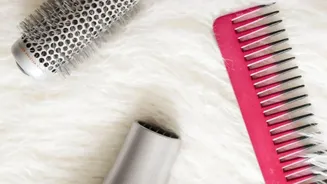
Styling an undercut is all about focusing on the longer hair on top. For a sleek, slicked-back look, apply a water-based pomade to damp hair and comb it straight back. For a more natural, textured finish, use a matte clay or paste on dry or slightly damp hair and work it through with your fingers. Creating volume starts with a blow dryer; point it at the roots and lift the hair with your fingers or a comb as you dry. Don't be afraid to experiment. The top section can be styled into a quiff, swept to the side, or left messy and natural depending on your mood and the occasion.
Maintenance and Upkeep
The main commitment with an undercut is maintenance. To keep the lines sharp and prevent the buzzed sections from looking fuzzy, you'll need regular trims, typically every two to four weeks. If you have an intricate design shaved in, you may need touch-ups even more frequently. Growing out an undercut is also a process that requires patience. The key is to get regular trims to shape the hair as it grows, which can help make the transition less awkward. Hairstyles like low ponytails or beachy waves can help conceal the shorter sections as they grow out.