







The Baseline Risk of Raw Foods
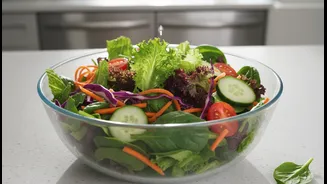
Any food that is eaten raw, without a cooking process to kill germs, carries an inherent risk of contamination. Unlike cooked dishes where heat eliminates most harmful microorganisms, salads rely entirely on the cleanliness of the produce and the hygiene
of the preparation process. The journey from farm to fork involves multiple stages—harvesting, transportation, storage, and chopping—each presenting an opportunity for pathogens like bacteria and viruses to find their way onto your leafy greens, tomatoes, and cucumbers. Common culprits in foodborne illnesses, such as Salmonella, E. coli, and Listeria, can be present on the surface of fresh vegetables, often without altering their appearance, smell, or taste. This makes washing and proper handling the first line of defence against potential illness.
How Humidity Supercharges Microbial Growth
Humidity is the key ingredient that turns a small risk into a significant threat. Microorganisms, particularly bacteria and moulds, need water to thrive and multiply. High ambient humidity, a defining characteristic of India’s coastal cities like Mumbai, Chennai, and Kochi, provides the perfect damp environment for these pathogens. The moisture in the air can settle on the surface of salad ingredients, creating a thin film of water. This film acts as a perfect breeding ground, allowing any existing bacteria to proliferate rapidly. Scientific studies have shown that high humidity directly supports the survival and growth of pathogens like Salmonella on leafy greens. It essentially gives them the resources they need to multiply from a few cells to a population large enough to cause illness, all while the salad sits on your kitchen counter or in a non-airtight container.
The Coastal and Monsoon Factor
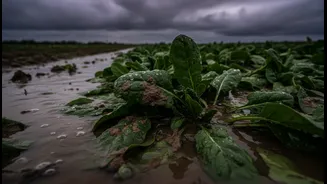
Living by the coast means dealing with high humidity for most of the year, but the risk profile becomes particularly acute during the monsoon season. The combination of warmth and near-constant high humidity creates a microbial paradise. Leafy vegetables, with their large surface area and delicate structure, are especially vulnerable. The leaf surface, known to scientists as the phyllosphere, is a natural habitat for a variety of microbes. High humidity alters this environment, making it more hospitable for dangerous pathogens to out-compete harmless bacteria. Plant diseases like bacterial leaf spot also become more common in these conditions, and research shows that such diseases can further enhance the survival and growth of human pathogens on the plant, making your salad an even riskier proposition.
Smart and Simple Steps for a Safer Salad
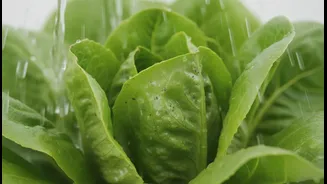
While the risk is higher, it doesn’t mean you have to give up salads entirely. With a few smart, consistent habits, you can significantly reduce your risk. First, always wash your hands thoroughly with soap and water before handling any food. When it comes to the produce itself, wash all fruits and vegetables under clean, running potable water. For firm items like cucumbers or tomatoes, you can gently rub them with your hands. There is no need for soap or special vegetable washes. Second, prevent cross-contamination. Use separate cutting boards and knives for fresh produce and raw meat, poultry, or seafood. After preparation, don’t let the salad sit at room temperature for more than an hour, especially in a non-air-conditioned room. The 'temperature danger zone' (between 5°C and 60°C) is where bacteria multiply fastest.
Proper Storage is Key
How you store your vegetables is just as important as how you wash them. Humidity doesn’t stop at the kitchen counter; it affects your refrigerator too. Store leafy greens and other salad vegetables in the crisper drawer, which is designed to maintain an optimal humidity level. Avoid washing your greens until right before you plan to eat them, as storing them wet can accelerate spoilage. If you do wash them in advance, make sure they are thoroughly dry—a salad spinner is an excellent tool for this. For pre-cut or packaged salads, always adhere to the storage instructions and the 'use by' date. If you're buying from a local vendor, choose produce that looks fresh and crisp, and avoid anything that is wilted, bruised, or slimy.