








Why Your Leisure Days Need a Separate Plan
Once your official work obligations are complete, you are effectively on your own time. This means your company’s financial and legal responsibilities towards you usually end. The corporate credit card, the company-provided travel insurance, and the per
diem for meals no longer apply. Treating your leisure days as a completely separate trip is the smartest way to avoid confusion and potential financial strain. It ensures you are fully prepared for expenses and any unforeseen circumstances, allowing you to relax without worrying about blurred lines between your work duties and personal time.
Crafting a Budget for Your Bonus Vacation
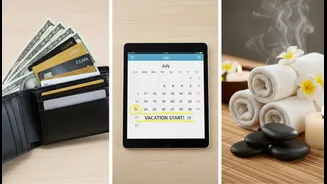
The most critical step is creating a separate budget for your personal days. Since the company flight is already paid for, you have a head start, but other costs add up quickly. Start by estimating daily expenses for food, which will no longer be covered by a corporate allowance. Next, factor in local transportation. While your work travel might have involved pre-booked cabs, you might now be using public transport or ride-sharing apps at your own expense. Don't forget to budget for activities and sightseeing—whether it’s entry fees for monuments, shopping, or special tours. It is also wise to set aside a small contingency fund for unexpected costs. Treating it like a distinct mini-trip budget helps you track spending and enjoy your break without financial stress.
Navigating the Complexities of Travel Insurance
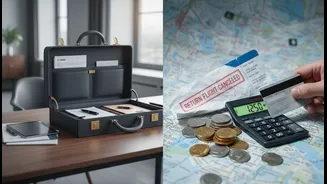
This is one of the most overlooked aspects of bleisure travel. Your company's travel insurance policy will almost certainly not cover you during your personal vacation days. Should you have a medical issue, lose your luggage, or face a flight cancellation after your work is done, you would be uninsured. It is essential to arrange your own coverage for the leisure portion of your trip. You can either buy a single-trip policy for those specific days or, if you travel often, consider an annual multi-trip plan that covers both business and personal travel. These plans provide peace of mind and protection against a range of potential problems, from medical emergencies to trip interruptions.
A Smart Strategy for Accommodation
While most Indian bleisure travellers prefer to stay in the same hotel for convenience, it's important to handle the booking and payment correctly. Your company will only pay for your accommodation during the business portion of the trip. You must settle the bill for the extra nights yourself. Communicate clearly with the hotel at check-in to ensure the costs are split correctly on the final invoice. Alternatively, moving to a different, perhaps more budget-friendly, accommodation like a guesthouse or an Airbnb for your leisure days can be a great option. This not only helps save money but can also provide a more authentic local experience and create a clear mental separation between work and relaxation.
Don't Forget the Logistics
A few final details can make all the difference. Always inform your manager and colleagues of your personal travel plans, including your dates of unavailability. This transparency is professional and ensures work responsibilities are covered. If you are travelling internationally, double-check that your visa covers your entire stay, including the leisure days. Pack smart by bringing clothes suitable for both business meetings and casual exploring. Finally, after a hectic work schedule, give yourself permission to truly disconnect. Avoid checking work emails and embrace the opportunity to explore, recharge, and enjoy the destination you're in.