




What's Really in the Smoke?
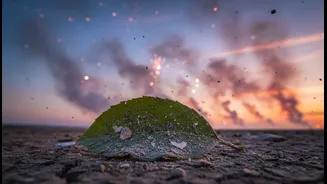
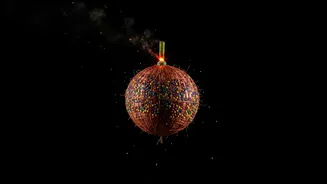
The magic of a firework comes from a potent chemical cocktail. To create vibrant colours and effects, manufacturers use a variety of metal salts—strontium for red, copper for blue, and barium for green. When these explode, they release a plume of smoke
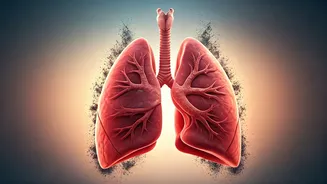
laden with these metals and other harmful substances, including carbon monoxide, sulfur dioxide, and fine particulate matter known as PM2.5. These particles are incredibly small, less than the width of a human hair, allowing them to be inhaled deep into the lungs and even enter the bloodstream. Research shows that during festivals like Diwali, the concentration of these pollutants can spike dramatically, sometimes up to 35 times higher than on normal days, enveloping cities in a toxic haze.
The Unseen Health Toll
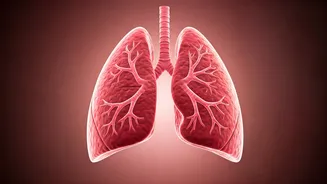
This sudden surge in air pollution carries significant health risks, especially for vulnerable populations. The fine particulate matter (PM2.5) released by fireworks is linked to a range of adverse health effects, including respiratory and cardiovascular diseases. For individuals with pre-existing conditions like asthma or COPD, exposure can trigger severe attacks and worsen symptoms. But even healthy individuals are not immune. Inhaling these pollutants can cause coughing, irritation to the lungs, nose, and eyes, and other immediate problems. Studies have noted that the air quality in major Indian cities often falls into the 'severe' or 'hazardous' categories during major festivals, which correlates with an increase in hospital visits for respiratory issues. While direct links to long-term diseases like cancer are still being studied, chronic exposure to air pollutants, which fireworks contribute to, is a known risk factor.
The Push for a Greener Alternative
In response to growing health concerns and Supreme Court directives, Indian scientists have been working on a solution: 'green crackers'. Developed by the Council of Scientific and Industrial Research (CSIR) and the National Environmental Engineering Research Institute (NEERI), these are not pollution-free, but are designed to be significantly less harmful. Green crackers aim to reduce particulate matter emissions by at least 30% and use chemical formulations that avoid the most hazardous elements like barium nitrate, arsenic, and lithium. They are also engineered to be quieter, with noise levels typically limited to 110-125 decibels, compared to the 160 decibels or more from some traditional crackers.
Decoding 'Green' Labels: SWAS, SAFAL, and STAR
To help consumers, CSIR-NEERI has developed three main categories of green crackers. SWAS (Safe Water Releaser) releases water vapour as it burns, which helps suppress dust. SAFAL (Safe Minimal Aluminium) uses minimal aluminium and replaces magnesium with a less hazardous alternative. STAR (Safe Thermite Cracker) does not contain potassium nitrate or sulphur, leading to reduced particulate matter emissions. To ensure authenticity, genuine green crackers come with a distinct green logo and a QR code. Scanning this code allows consumers to verify the manufacturer and confirm that the product is certified by the authorized bodies, a crucial step in avoiding counterfeit products that may not meet safety standards.
Navigating Regulations and Responsibility
Over the years, the Supreme Court of India has issued several rulings to balance festive traditions with the fundamental right to life and health. This has led to regulations that include time restrictions for bursting crackers (typically a two-hour window in the evening) and a ban on the sale of conventional, more polluting fireworks in regions like the NCR. The court has clarified that bursting firecrackers is not an essential religious practice and can be restricted to protect public health. These legal frameworks, combined with the scientific development of green crackers, represent a path forward. However, their effectiveness depends heavily on enforcement and public awareness. Making informed choices, understanding the labels, and adhering to local guidelines are key.