





Saturn Takes Centre Stage
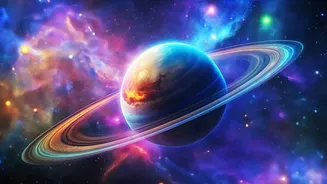
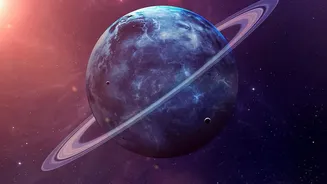
October's main planetary event features the magnificent ringed planet, Saturn. On October 4, Saturn will be at opposition, meaning Earth is positioned directly between it and the Sun. This alignment makes it appear at its biggest and brightest for the year,
rising in the eastern sky around sunset and remaining visible all night. For observers in India, Saturn is expected to rise around 6:11 PM IST and will be high in the sky through the night. While you can spot its steady, pale-yellow light with the naked eye, a small telescope will reveal its famous rings. This opposition is a great time for observation, as the rings are now opening wider after being nearly edge-on in 2025. The nights surrounding October 4 are also excellent for viewing.
A Visit from the Dragon
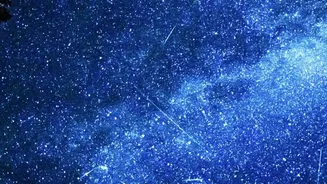
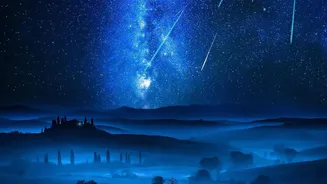
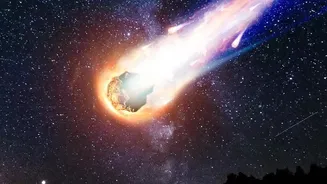
The first of two meteor showers this month is the Draconids, active from October 6 to October 10. The shower is predicted to peak overnight on October 8-9. Unlike many other meteor showers that are best viewed after midnight, the Draconids are often best seen in the early evening, just after nightfall. This is because their radiant point, in the constellation Draco the Dragon, is highest in the sky at that time. In 2026, viewing conditions are excellent as the peak coincides with a thin crescent moon, meaning darker skies. While typically a modest shower producing about five to six meteors per hour, the Draconids are known for occasional outbursts of many more. Their meteors are often slow-moving and graceful, making them a rewarding sight.
Fire from Halley's Comet
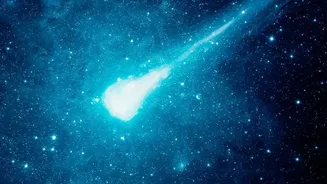
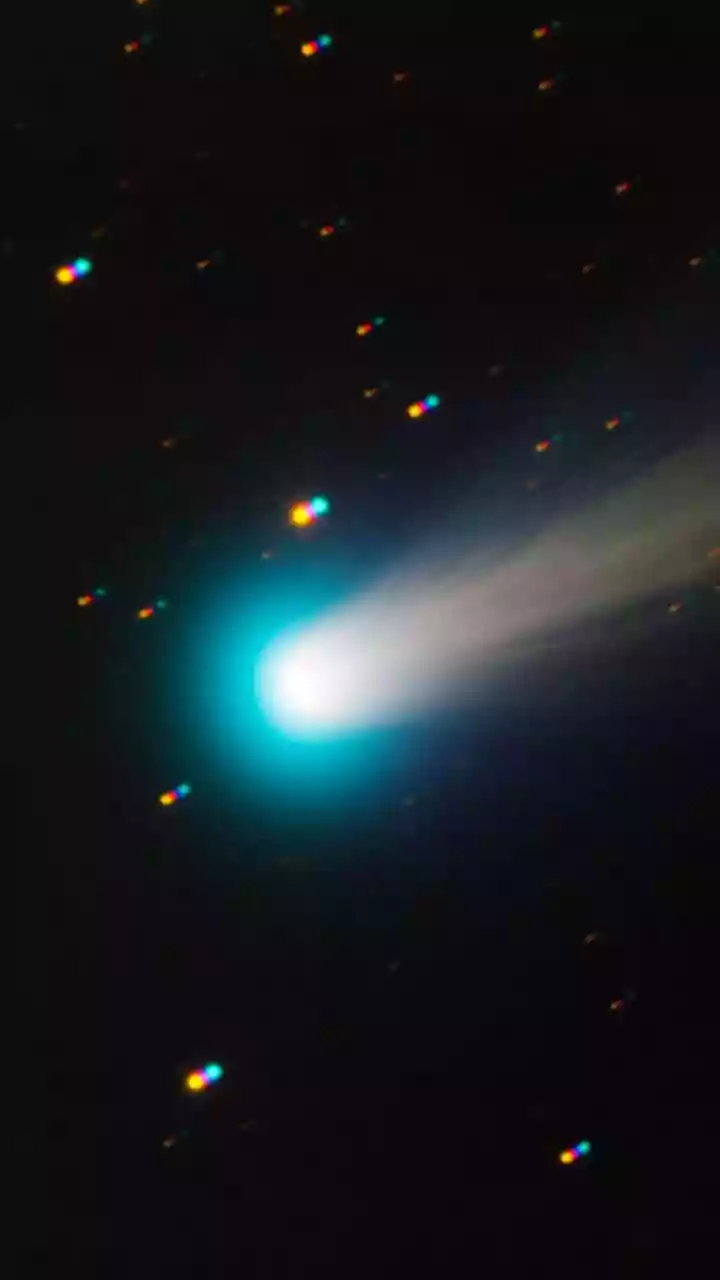
The more famous Orionid meteor shower will light up the latter half of the month. Peaking on the night of October 21-22, the Orionids are particles of debris left behind by the famous Halley's Comet. These meteors are known for their speed and brightness, with some leaving persistent trails across the sky. Under ideal dark-sky conditions, you might see up to 20 meteors per hour. The best time to watch will be in the pre-dawn hours of October 22, after the radiant constellation, Orion, has risen high in the sky. A waxing gibbous moon will be present during the peak, which could wash out fainter meteors. However, the moon is expected to set a few hours before dawn, providing a window of darker skies for prime viewing.
Other Celestial Encounters
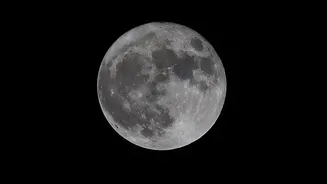
Beyond Saturn and the meteor showers, other celestial events dot the October calendar. On October 6, a crescent Moon will appear close to the brilliant planet Jupiter in the pre-dawn sky. Although Jupiter had its opposition earlier in the year, it remains a dominant and bright object in the morning. On October 5, the Moon will also have a close approach with Mars. And for those with a keen eye and a clear western horizon just after sunset, Mercury reaches its greatest eastern elongation on October 12, its best evening appearance of the period.
Tips for Best Viewing
To make the most of these celestial events, find a location away from bright city lights. Light pollution can significantly reduce the number of meteors and faint stars you can see. Allow your eyes about 20-30 minutes to fully adjust to the darkness. While planets are easily visible, meteor showers are best viewed with the naked eye, so no special equipment like binoculars or telescopes is needed. Simply lie back on a comfortable chair or blanket, look up, and be patient. The key is to take in as much of the sky as possible. Checking the local weather forecast for clear skies before you head out is always a good idea.