





The Scent of the High Himalayas
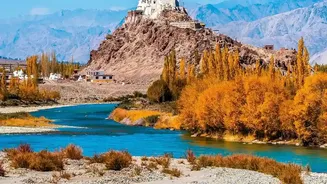
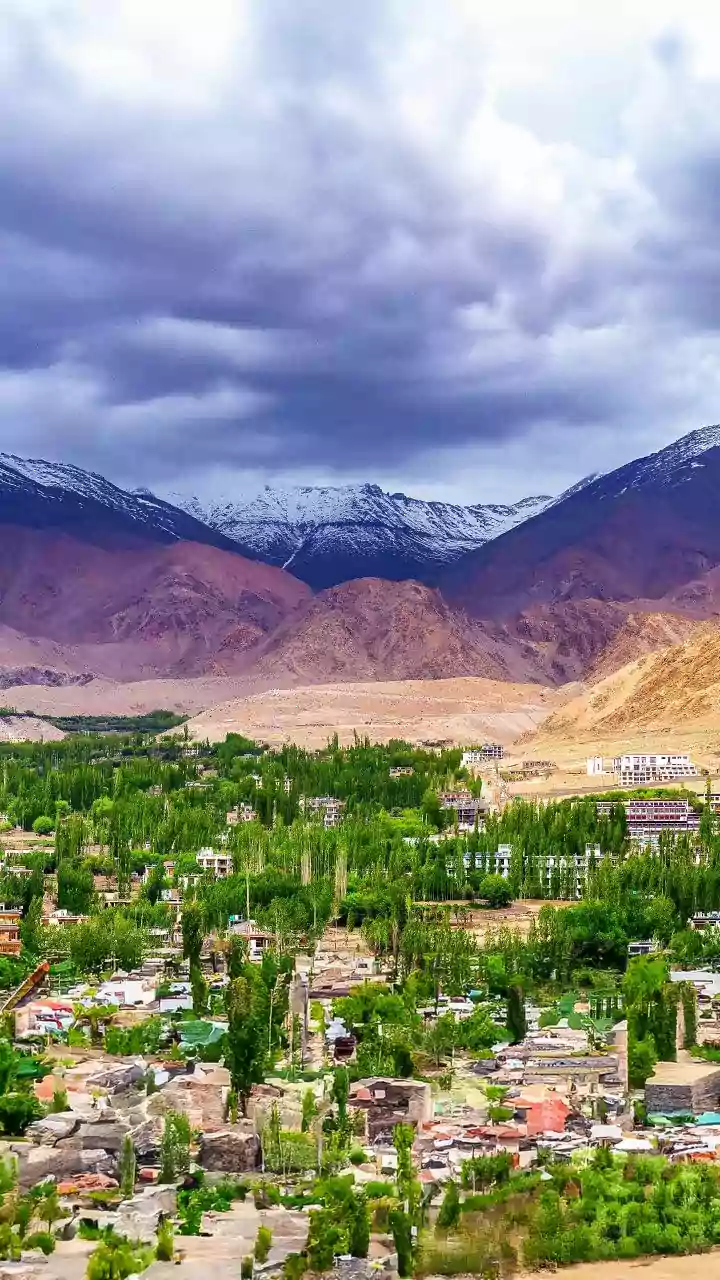
The term 'smoked infusion' doesn't refer to a drink, but to an ancient practice of aromatic fumigation. Every morning, as the sun crests over the formidable peaks, many Ladakhi households burn dried twigs of specific plants, most notably the sacred juniper,
known locally as 'shukpa'. This isn't merely incense; it's a deeply ingrained cultural and wellness ritual. The fragrant smoke is believed to purify the home, cleanse the air of negative energies, and prepare the mind for the day ahead. This tradition is a cornerstone of the Sowa-Rigpa system of medicine, the traditional Tibetan healing science practised across the Himalayas. The smoke carries prayers and blessings, creating an atmosphere of peace and grounding that has been cherished for generations.
Juniper and Other Potent Botanicals
While juniper is central to this daily ceremony, Ladakh's unique cold-desert ecosystem is a treasure trove of other powerful medicinal and aromatic plants. These botanicals are forced to survive in extreme conditions—intense UV radiation, thin air, and temperatures that swing from -40°C to +40°C. To adapt, they produce high concentrations of protective compounds like antioxidants, flavonoids, and essential oils, making them exceptionally potent. Plants like Rhodiola rosea, locally called 'Solo', and various species of Artemisia are also used in traditional practices. Rhodiola is hailed as a powerful adaptogen, believed to help the body resist physical and mental stress, a crucial benefit in the demanding high-altitude environment. These herbs are collected by locals, including traditional healers known as Amchis, who preserve the ethnobotanical knowledge passed down through generations.
A Ritual Rooted in Sowa-Rigpa
The practice of using smoked herbs is deeply connected to Sowa-Rigpa, one of the world's oldest healing systems. This holistic tradition, which translates to the 'science of healing', views health as a balance between three principal energies or humours: wind, bile, and phlegm. Illness is seen as an imbalance of these energies, often influenced by diet, lifestyle, and environment. Herbal remedies, including aromatic therapies like fumigation, are used to restore this equilibrium. The Amchis, who are highly respected practitioners of Sowa-Rigpa, use these plants not just for their physical benefits but for their spiritual ones, believing they can clear obstacles and support mental well-being. This ritual is more than just a morning routine; it's a form of preventative healthcare and spiritual maintenance.
Wellness Benefits of Aromatic Smoke
Traditionally, the benefits of these smoked infusions are believed to be multifaceted. The primary purpose is purification—cleansing the living space and creating a sacred atmosphere. The aroma of burning juniper, rhododendron, and other herbs is thought to calm nervous tension, improve circulation, and promote a clear, focused mind. In the context of Sowa-Rigpa, respiratory health is a major focus, and inhaling these therapeutic smokes in a well-ventilated space is believed to support the lungs. While modern science is still exploring the full extent of these benefits, the high concentration of volatile oils in these high-altitude plants suggests their aromatic properties have a tangible effect on mood and stress levels, similar to modern aromatherapy.
Modern Interest in Ancient Wisdom
As the modern world increasingly seeks out natural and mindful wellness solutions, these ancient Himalayan practices are gaining attention. The focus is not just on the plants themselves but on the philosophy behind their use—a holistic approach that connects personal health with the environment and spiritual balance. The commercial cultivation of Ladakhi medicinal plants like Rhodiola and Seabuckthorn ('Leh Berry') is growing, providing new livelihood opportunities for local communities. This rising interest offers a bridge between ancient traditions and contemporary wellness culture, allowing more people to appreciate the profound wisdom held within these rare botanicals and the rituals that have preserved their power for centuries.