


The End of the Travel Checklist
There was a time when the goal of travel was to see as much as possible. A ten-day trip might mean five cities, a dozen museums, and countless photos snapped in front of famous monuments. But that frantic pace often left travellers exhausted, with more
time spent in transit than in genuine connection with a place. This model of “tick-box” tourism is now giving way to a more intentional approach. Modern travellers are increasingly asking not just “What should I see?” but “How do I want to feel?” They are choosing to experience fewer places more deeply, favouring participation over passive observation. This isn't just a niche trend; it reflects a broader cultural shift towards valuing experiences over possessions and seeking authenticity in a hyper-connected world.
The Rise of Slow Travel
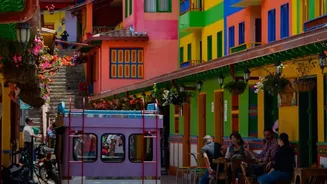
One of the most significant shifts is the growing popularity of “slow travel.” This philosophy encourages travellers to immerse themselves in a single destination for an extended period, choosing to understand its rhythm rather than rushing through its highlights. It means swapping a packed itinerary for spontaneous discovery, staying in locally owned accommodations, and engaging with the community. Slow travel is about finding joy in the unhurried moments — a long coffee at a neighbourhood cafe, an unplanned conversation with a shopkeeper, or simply observing daily life. Hilton's 2025 trends report highlighted this growing desire, noting that nearly three-quarters of travellers want authentic, local experiences. It is a mindful approach that prioritizes connection over consumption.
Journeys for the Mind and Palate
This new era of travel is also highly personal, driven by individual passions. Culinary tourism, for example, has become a major motivator for travel. The global market for food-focused travel is projected to grow significantly, as people plan entire trips around exploring local dishes and food traditions. This is more than just dining out; it involves hands-on experiences like cooking classes, visiting local markets, and attending food festivals. Similarly, wellness tourism is booming. Travellers are seeking out retreats that focus on yoga, meditation, mental well-being, and digital detoxes. These journeys are designed not just for relaxation, but for personal growth and rejuvenation, reflecting a broader societal focus on health.
Leaving a Place Better Than You Found It
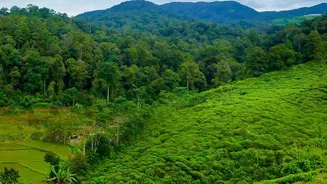
As awareness about the impact of tourism grows, many travellers are seeking ways to contribute positively to the places they visit. This has given rise to regenerative travel, a concept that goes a step beyond sustainability. While sustainable travel aims to leave a place as you found it, regenerative travel seeks to leave it better. This can take many forms, from participating in local conservation projects and supporting community-owned businesses to choosing accommodations that actively invest in environmental restoration. It's about transforming travel into a force for good, creating a positive feedback loop between the visitor and the destination. This approach fosters a deeper sense of connection and responsibility, making the travel experience more meaningful for everyone involved.