






Decoding the IMD's Colour Palette
The India Meteorological Department (IMD) uses a simple colour-coded system to warn citizens of impending weather conditions. Understanding these is the first step to smart travel. A Green alert means 'All is Well' and no advisory is needed. A Yellow
alert means 'Be Aware'; it signals the possibility of bad weather that could disrupt daily life. An Orange alert is a call to 'Be Prepared' for extremely bad weather that could interrupt transport and power. The most serious is a Red alert, which means 'Take Action'. This indicates a significant risk to life and property, and authorities advise against travel in these zones.
Red and Orange Zones: Areas to Reconsider
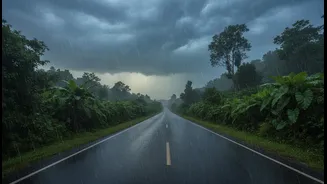
As of early July, heavy to extremely heavy rainfall has battered several parts of the country, prompting red and orange alerts. Torrential rains have caused flooding, landslides, and widespread disruption in states including Maharashtra (Konkan, Goa, Madhya Maharashtra), Delhi, and parts of West Bengal like Darjeeling and Kalimpong, where landslide warnings are in effect. Similarly, parts of Kerala, particularly Wayanad, and coastal Karnataka are experiencing intense showers. Travel to or through these regions is highly inadvisable. Waterlogging has crippled traffic in major cities like Delhi and Mumbai, and several transport services have been affected. Authorities in Kodagu, Karnataka, have even restricted access to tourist spots like Raja's Seat due to landslide risks and traffic diversions.
Green and Yellow Zones: Your Monsoon Go-To List
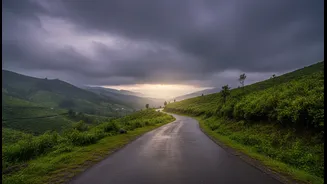
While some regions are facing nature’s fury, many parts of India remain safe and become exceptionally beautiful during the monsoon. The key is to head towards areas with green or, at most, yellow alerts. The arid landscapes of Ladakh, including the Gurez and Nubra Valleys, fall in a rain-shadow region, making July a peak time to visit with pleasant weather. Similarly, while the rest of India is drenched, Kashmir enjoys a pleasant summer-like climate, making it an excellent choice. In the south, destinations like Munnar in Kerala and Coorg in Karnataka are popular, but it's crucial to check local, district-level alerts as conditions can change rapidly. Rajasthan's lake city, Udaipur, offers a different kind of monsoon magic, with the Aravalis turning green and the weather becoming cooler.
The Smart Monsoon Traveller's Checklist
Choosing the right destination is only half the battle. To ensure a smooth trip, preparation is key. Always book flexible or refundable flights and accommodations. Before heading out, especially on road trips, check real-time traffic and road conditions. Pack waterproof bags, quick-dry clothing, and sturdy, non-slip footwear. Carrying a power bank is essential, as power cuts can be common during heavy rains. Most importantly, have a flexible itinerary. The monsoon is unpredictable, and your plans might need to change at the last minute. Keep emergency numbers handy, including those for local disaster management authorities.
Your Digital Weather Companion
In today's digital age, staying updated is easier than ever. The IMD offers several mobile applications, such as 'Mausam' for real-time weather updates and alerts, and 'Meghdoot' which provides agriculture-specific weather information. These apps can provide district-wise warnings, helping you make informed decisions on the go. Following the official IMD Twitter handle and checking their website for daily press releases is also a reliable way to get the latest forecasts and warnings. This proactive approach allows you to work with the weather, not against it, ensuring your monsoon adventure is memorable for all the right reasons.