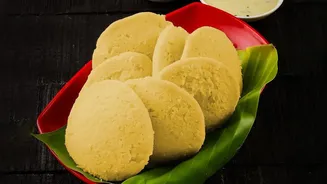

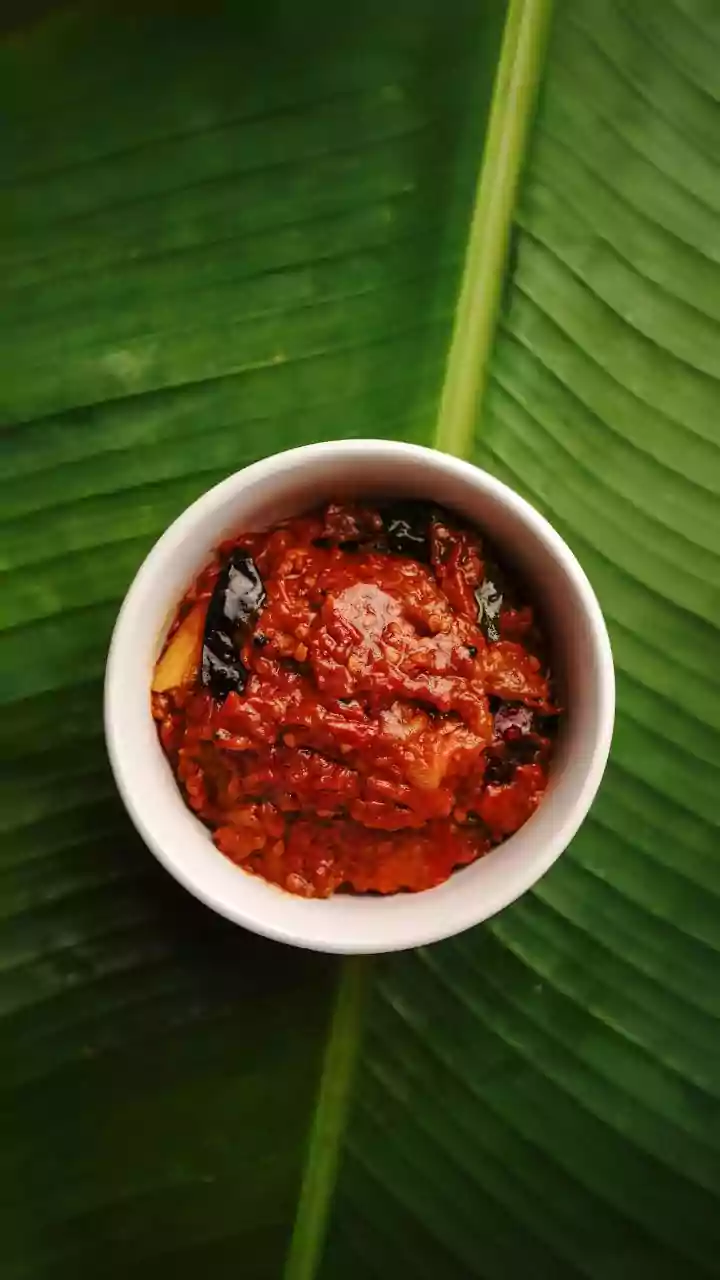
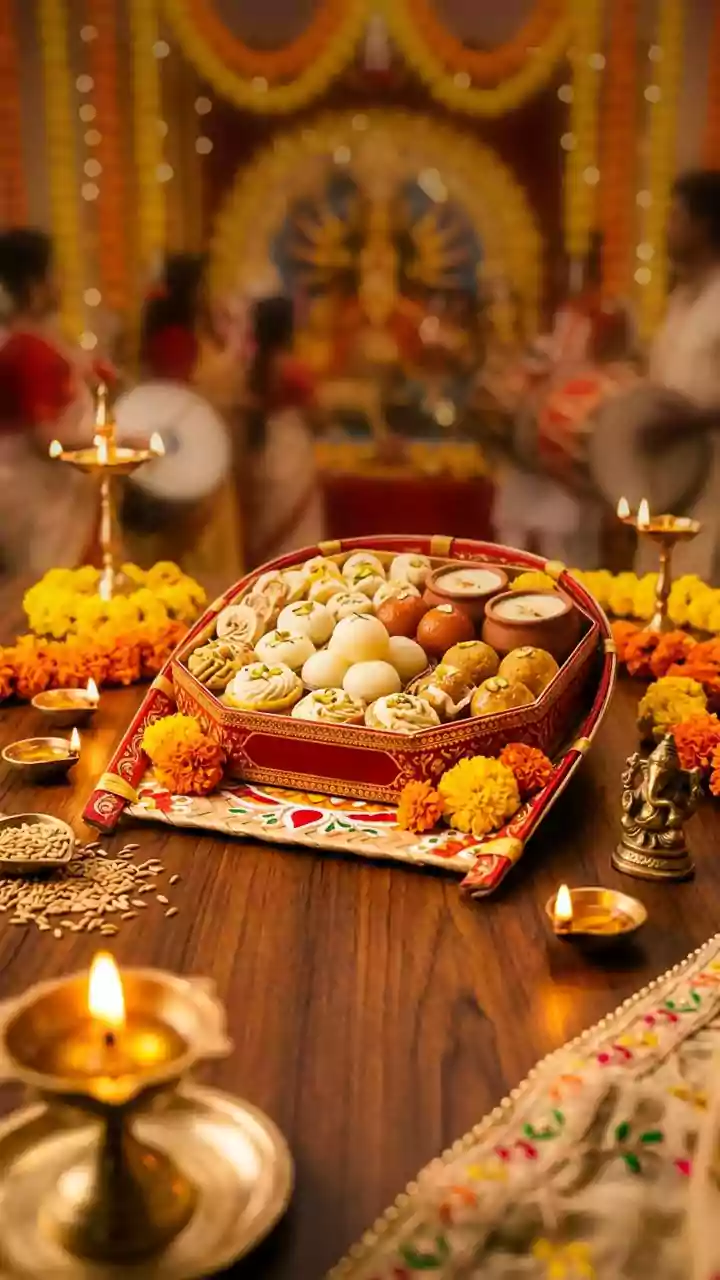

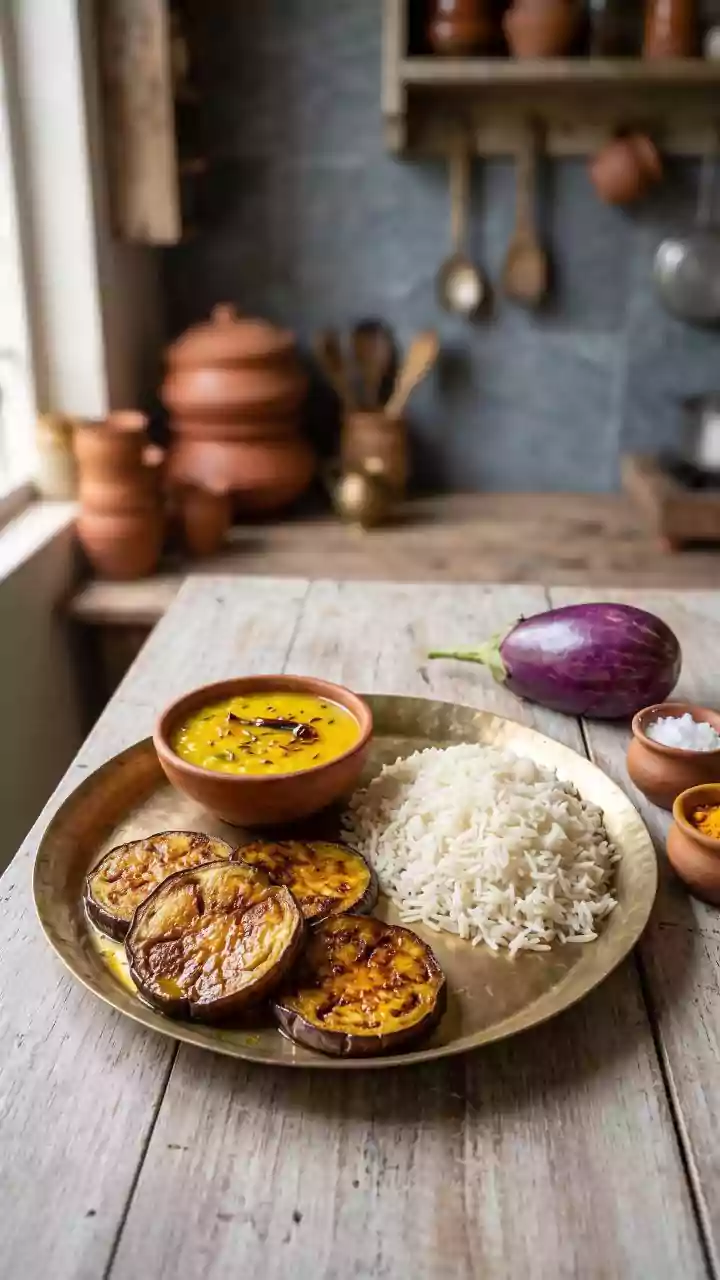
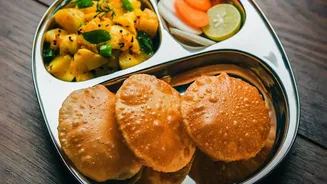
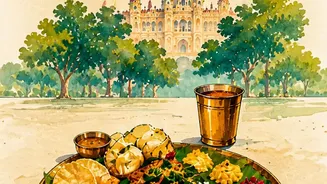
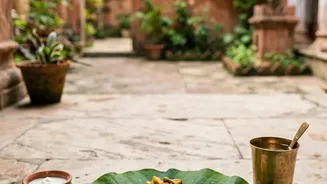
After years of relying on the speed of food delivery apps, a quiet but significant shift is happening. Across India's metros, kitchens are once again buzzing with the aromas of dal, freshly ground masalas, and long-forgotten family recipes.
The Great Kitchen Homecoming
Not long ago,
the urban Indian kitchen was becoming a relic, a space used more for storing takeout menus than for actual cooking. The pandemic, however, forced a dramatic reset. With restaurants closed and movement restricted, millions were compelled to return to their stovetops. What began as a necessity soon blossomed into a rediscovery of the joys and comforts of home-cooked food. This shift was more than just a temporary response to lockdown; it tapped into a deeper longing for connection and authenticity. The act of preparing a meal from scratch became a form of self-care and a way to reclaim control in uncertain times, sparking a lasting change in food habits for many urban dwellers.
Nostalgia is the Main Ingredient
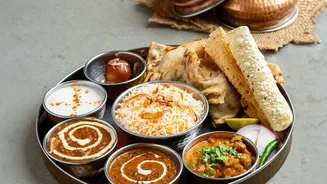
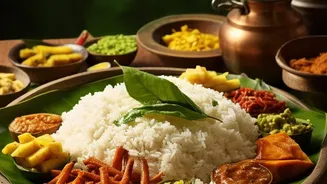
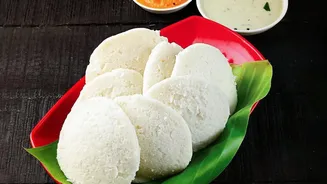
A significant driver of this culinary revival is nostalgia. For many young professionals living away from home, recreating dishes made by their parents and grandparents is a powerful way to connect with their roots and heritage. Social media platforms are filled with urban millennials and Gen Z proudly documenting their attempts at making everything from Bengali shorshe ilish to Kashmiri nadru yakhni. These are not just meals; they are edible memories, offering a taste of comfort and a sense of identity in the anonymous bustle of city life. This revival of regional and heirloom recipes is a cultural movement, preserving culinary traditions one plate at a time.
Health and Wellness Take Centre Stage
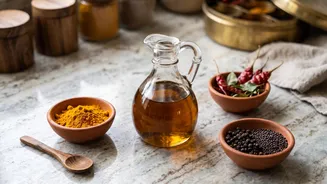
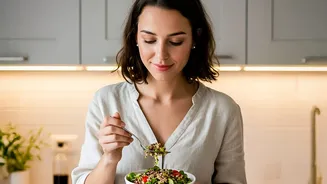
The return to traditional cooking is also deeply intertwined with a growing health consciousness. Urban Indians are more aware than ever of the pitfalls of processed foods and the benefits of fresh, whole ingredients. Traditional Indian cuisine, with its emphasis on plant-based ingredients, lentils, and spices that aid digestion, aligns perfectly with modern wellness goals. There's a renewed appreciation for ancient grains like millets (jowar, bajra, ragi) and nutrient-dense ingredients like ghee, sattu, and makhana, which were once staples in grandparents' pantries and are now celebrated as superfoods. This shift is about understanding that true health often lies in the simple, time-tested wisdom of our own culinary heritage.
The Modern Traditionalist's Toolkit
This revival isn't a complete retreat to the past. Instead, it's a savvy blend of old wisdom and modern convenience, creating a 'hybrid' kitchen. Today's home cook might use a traditional stone grinder (sil batta) for a special chutney but rely on pre_chopped vegetables on a busy weekday. They might follow a grandmother's recipe for a complex curry but use an air fryer to make a healthier version of a traditionally deep_fried snack. Cooking techniques are being rediscovered, but so are modern shortcuts that make traditional meals feasible for time_poor urbanites. Social media, once the domain of quick_food trends, now hosts countless tutorials on traditional cooking methods, making heritage recipes more accessible than ever.
More Than Just a Passing Trend
While convenience will always have its place, the renewed focus on home cooking seems to be more than a fleeting trend. It represents a deeper cultural shift towards mindful consumption, health, and a reconnection with one's roots. The kitchen, once seen as a place of obligation, is being reclaimed as a space for creativity, comfort, and connection. The ability to prepare a nourishing, traditional meal is becoming a new kind of status symbol, one that values skill and heritage over the passive consumption of an ordered_in meal. This movement suggests a re_prioritization of what it means to eat well in modern India, where the richest flavours are often the ones found in home kitchens.