





From Medical Device to Wellness Gadget
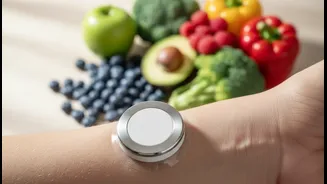
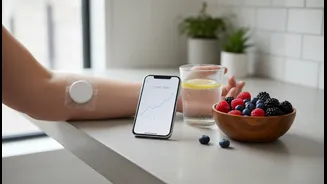
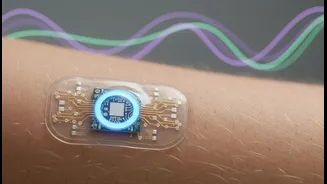
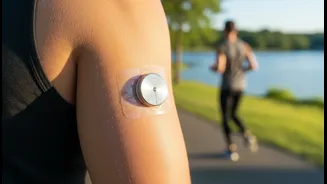
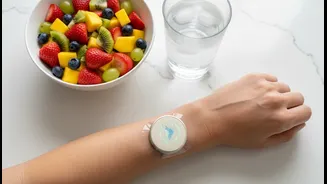
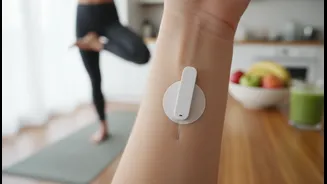
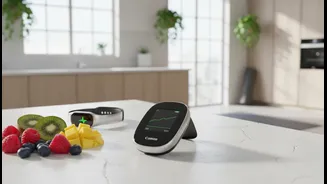
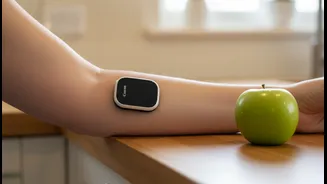
A continuous glucose monitor is a wearable device that tracks your glucose (sugar) levels in real-time, 24/7. A tiny filament sits just under the skin, measuring glucose in the interstitial fluid and sending data to a smartphone app. Originally designed
to help people with diabetes manage their condition by providing a constant stream of data without painful finger-pricks, CGMs are now being adopted by a new wave of users: the 'glucose-curious'. This group includes athletes, executives, and general health enthusiasts who want to optimise their metabolic health. In India, companies are now marketing these devices directly to this wellness-focused audience.
The Lure of Personalised Data
The core appeal of CGM for non-diabetics is the principle of 'measure before you optimise'. Users get a personalised, data-driven look at how their body responds to food, exercise, stress, and sleep. You might discover that a supposedly healthy food like oatmeal causes a sharp spike in your personal blood sugar, leaving you feeling sluggish. This real-time feedback allows individuals to move beyond generic dietary advice and tailor their choices to what works for their unique biology. The goal is to maintain stable glucose levels, which can lead to more consistent energy, better mood, improved focus, and enhanced sleep quality.
The Biohacking and Fitness Boom
In the worlds of biohacking and elite sports, CGMs are hailed as a game-changer. Biohackers, or those who take a DIY approach to optimising their biology, use the data to run personal experiments on everything from intermittent fasting to specific workout routines. For athletes, the insights are invaluable for performance. Tracking glucose levels helps them perfectly time their carbohydrate intake to fuel endurance and avoid the dreaded 'bonk' or energy crash during a competition. By seeing exactly how their body uses fuel, they can fine-tune their nutrition strategy for peak performance and faster recovery.
A Word of Caution from Experts
While the trend is growing, the medical community remains cautious. Experts point out that temporary glucose fluctuations after meals are normal and not necessarily harmful in a healthy person. There is a risk that users might misinterpret the data, leading to unnecessary food anxiety or overly restrictive diets. A 2025 study highlighted that even expert clinicians often disagree on how to interpret CGM data for individuals without diabetes, suggesting that a layperson could easily become confused. Furthermore, research shows that for people without diabetes, CGM data does not correlate well with the long-term blood sugar measure known as HbA1c, which remains the clinical gold standard.
The View from India's Health Tech Scene
In India, where lifestyle-related health issues are on the rise, several startups have started offering CGM-based wellness programs. Companies like HealthifyMe and Ambrosia are integrating CGMs with AI-powered apps to provide personalised insights and diet plans. These services are often marketed not just to those with pre-diabetes, but to anyone seeking to improve their metabolic health, manage weight, or simply understand their body better. With major international players like Abbott also making their technology more accessible in the country, the trend is set to expand beyond early adopters in major cities.