

The Post-Monsoon Paradox
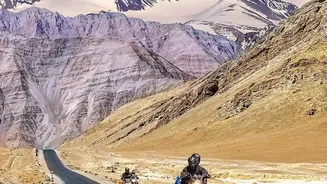
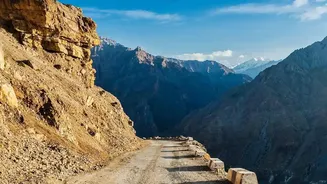
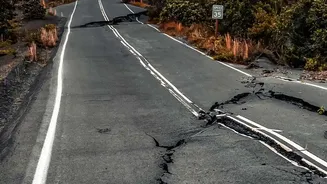
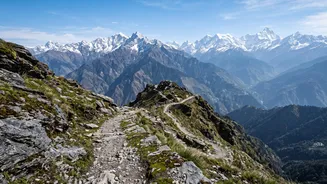
October in the Himalayas is a season of contrasts. While the primary monsoon rains have retreated, the ground remains saturated, and weather patterns are notoriously unstable. The biggest risks are no longer widespread landslides, but more insidious threats.
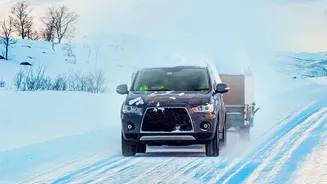
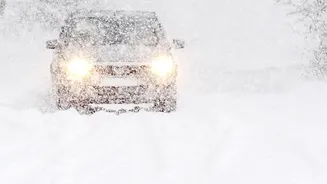
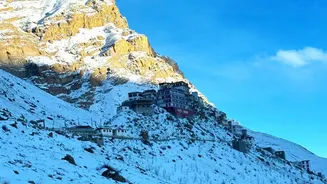
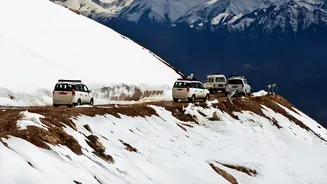
At high altitudes, temperatures can plummet below freezing overnight, creating invisible patches of black ice on the roads, especially in shaded areas and near water crossings. Fresh snowfall has already been reported on high passes like Rohtang, Zoji La, and Baralacha La as of mid-October 2026. This combination of moisture, freezing temperatures, and unpredictable weather makes careful planning more critical than ever.
Strategic Route Selection
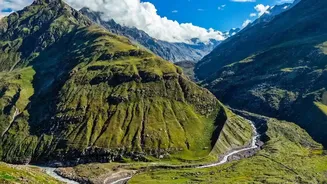
Choosing the right route is your most important decision. The main arteries to Ladakh, the Manali-Leh and Srinagar-Leh highways, have different risk profiles in autumn. The Manali-Leh highway, while scenic, involves crossing several high passes where early winter conditions are a serious concern. As of October 2026, the route is open but subject to temporary closures due to snow and ice on passes like Baralacha La. The Srinagar-Leh highway via Zoji La is often considered a more stable alternative in October, but it is also susceptible to sudden snowfall and requires constant monitoring. Always have a backup plan and build extra buffer days into your itinerary. Never assume a road is open just because it was yesterday.
Monitor Real-Time Road Status
Your best defence against unforeseen trouble is up-to-the-minute information. Local authorities and the Border Roads Organisation (BRO) are the most reliable sources. The BRO works tirelessly to keep strategic routes open but prioritizes safety, closing roads when conditions become hazardous. Before and during your trip, check the official social media handles of the Leh and Lahaul-Spiti police for daily traffic advisories. Online travel forums and groups can provide recent traveller reports, but always verify this anecdotal information with official sources. A call to a hotel or taxi union in a town ahead, like Keylong or Kargil, can provide invaluable on-the-ground intelligence.
Vehicle and Driver Readiness
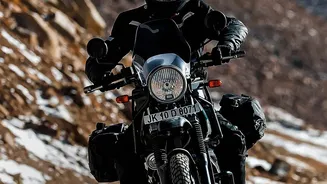
Your vehicle must be in peak condition. Before you leave, get a full service with special attention to brakes, battery, and tyres. Ensure your engine coolant has the correct antifreeze mixture to prevent it from freezing overnight. For drivers, mountain rules are paramount. Give way to uphill traffic, use engine braking on descents to avoid overheating your brakes, and never overtake on a blind curve. Drive during daylight hours; the risk of ice increases dramatically after sunset. Start your day's journey early to make the most of the light and to ensure you reach your destination before late afternoon, when temperatures begin to drop sharply.
Essential Packing and Supplies
Pack for all eventualities. Layered clothing is essential to adapt to the wild temperature swings between sunny afternoons and freezing nights. Carry an emergency kit in your car that includes a high-quality tow rope, a shovel, a puncture repair kit, and a tyre inflator. Given the remoteness, always have extra food, water, and a first-aid kit with medication for altitude sickness. Carry at least one 20-litre jerry can for extra fuel, as pumps are scarce on long stretches like the 365 km between Tandi and Leh. Finally, download offline maps for your entire route, as mobile connectivity will be patchy at best.