



A Sweet Shift in Consumer Taste
There was a time when the gold standard for celebratory gifting was a bar or box with a foreign-sounding name. That perception is melting away. Today’s discerning Indian consumer is increasingly trading mass-produced imported chocolates for something
with more character and a better story. This shift is driven by a growing preference for products that are local, transparently sourced, and authentically crafted. The artisanal chocolate market in India is now one of the fastest-growing segments of the broader confectionery market, signaling a fundamental change in what we consider a luxury. It’s no longer about where it’s from, but how it’s made.
The Terroir of South India
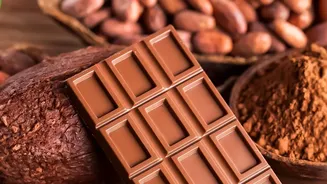
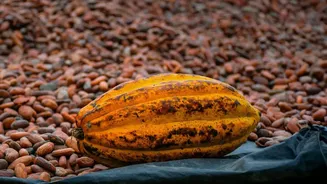
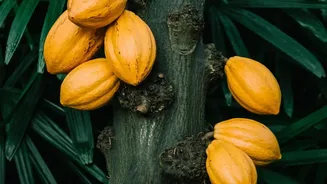
The heart of this movement lies in the lush landscapes of South India. States like Kerala, Tamil Nadu, Andhra Pradesh, and Karnataka provide the perfect tropical conditions for growing high-quality cacao. Much like wine grapes, cacao beans absorb the characteristics of their environment—a concept known as terroir. Indian cacao, often grown as an intercrop among coconut palms, pepper vines, and nutmeg trees, develops a unique and complex flavour profile that simply cannot be replicated elsewhere. This distinctiveness is the signature of brands that champion single-origin beans, meaning the cacao comes from a specific region or even a single estate, offering a taste of that particular geography.
From Bean-to-Bar: A Commitment to Quality
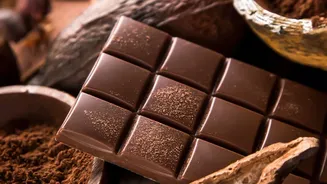
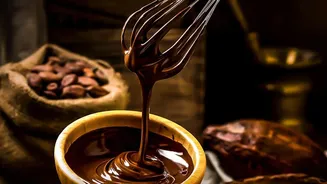
The rise of Indian craft chocolate is synonymous with the 'bean-to-bar' philosophy. Unlike industrial manufacturers who often use pre-processed cocoa powder, bean-to-bar makers control the entire process. They source beans directly from farms, then manage the delicate steps of roasting, grinding, conching, and tempering themselves. This meticulous approach allows them to bring out the nuanced flavours of the cacao and ensures superior quality. Brands like Auroville-based Mason & Co. and Tamil Nadu’s Soklet, one of India's first tree-to-bar makers, have pioneered this model, focusing on organic practices and ethical farmer relationships.
Meet the Trailblazers
A new wave of chocolatiers is defining the taste of modern Indian luxury. Soklet, whose name is a nod to the Tamil word for chocolate, leverages its own plantations in the Anamalai Hills to create true tree-to-bar products. Mason & Co., founded in Auroville, is celebrated for its organic, vegan chocolates and an all-female workforce that handcrafts each bar. Then there is Paul And Mike from Kerala, which has gained international acclaim for its innovative flavour pairings, infusing fine chocolate with Indian ingredients like Alphonso mango and Sichuan pepper. Hyderabad's Manam Chocolate takes it a step further, providing QR codes on its packaging that trace the journey from a specific farm to the final bar.
A Flavour of Indian Identity
What makes these chocolates truly special is their unapologetic Indian identity. While some bars celebrate the pure, unadulterated flavour of the cacao bean, others are a canvas for culinary creativity. Chocolatiers are reinterpreting nostalgic Indian flavours in their creations. You can find bars inspired by masala chai, rabdi, and even sitaphal (custard apple). This fusion of global craft and local palate is resonating deeply with Indian consumers, who see these brands not just as an alternative to imported options, but as a confident expression of homegrown excellence. This isn't just a trend; it's a celebration of Indian terroir and ingenuity, one delicious bar at a time.