








Summer of Unprecedented Disruption
This year, intense heatwaves began as early as April, prompting authorities across numerous states to take emergency measures. [2, 7] States including Delhi, Uttar Pradesh, Bihar, Rajasthan, and others revised school schedules, and many ultimately advanced
or extended summer vacations to protect children from scorching temperatures that frequently soared past 40°C. [4, 5, 13] In some regions, schools were ordered shut from mid-May through the end of June. [2] These closures, while necessary for safety, have thrown the academic calendar into disarray, creating a domino effect that is now colliding with the onset of the monsoon. [9, 11] The disruption has been significant, affecting months of education and creating widespread uncertainty for families. [2]
A Compounded Crisis: From Heat to Rain
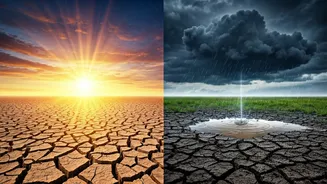
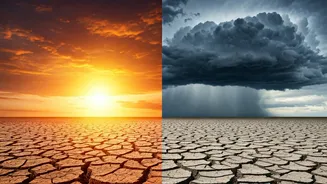
The primary complication is one of timing. The extended closures due to heat have compressed the window available for essential pre-monsoon preparations. Maintenance work, building repairs, and campus clean-up drives that typically happen during a predictable summer break were delayed. Now, as schools scramble to reopen, they are doing so just as seasonal rains begin, bringing a fresh set of challenges. Authorities are caught in a difficult bind, trying to make up for lost time while simultaneously preparing for a different kind of extreme weather. For instance, government schools in Uttar Pradesh are now set to reopen on a fixed date, June 25, partly to avoid repeated extensions due to heat and ensure a minimum number of teaching days. [10]
The Dual Health Dilemma
The transition from heatwave to monsoon creates a perilous public health scenario for schools. The threat of heat-related illnesses like dehydration and heatstroke has not entirely vanished, with officials in UP advising special precautions as schools reopen. [10] Simultaneously, the monsoon is notorious for escalating the risk of water-borne and vector-borne diseases such as dengue, chikungunya, malaria, and hepatitis A. [17] School administrators now face the dual task of ensuring campuses are safe from both residual heat and new monsoon-related health threats. This includes ensuring access to safe drinking water, maintaining high standards of cleanliness to prevent mosquito breeding, and having protocols to identify and report symptoms of illness. [17, 18]
Infrastructure Under Strain
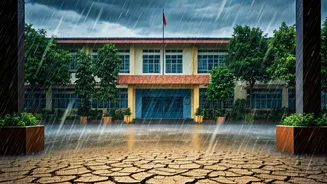
School infrastructure, already tested by extreme heat, now faces the monsoon's onslaught. Many government schools, particularly in rural areas, have infrastructure that is ill-equipped to handle such weather extremes, with issues like concrete roofs that trap heat and poor ventilation. [3, 23] The delayed maintenance schedules mean that necessary repairs for roofs, walls, and electrical systems may not have been completed. The arrival of heavy rains brings the immediate risk of leaking classrooms, waterlogging on school premises, and potential structural safety issues. Local governments have been advised to install warning signboards near schools affected by waterlogging to mitigate risks. [17] This leaves schools in a vulnerable position, struggling to provide a safe physical environment for students.
An Administrative and Parental Puzzle
The constantly shifting timelines have created significant confusion for parents and school staff. Reopening dates have been repeatedly revised in several states, making it difficult for families to plan. [7, 15] This disruption disproportionately affects working parents, especially mothers, who often bear the responsibility of arranging childcare during unexpected closures. [2] As schools reopen, there is lingering uncertainty. Parents must trust that schools have adequately prepared for monsoon-related hazards, from ensuring building fitness to guaranteeing the hygiene of canteens and the quality of drinking water—a standard that many schools have been instructed to urgently address. [17] The lack of clear, consistent communication from authorities in some areas has only added to the anxiety, forcing parents to rely on last-minute updates for crucial information about their children's safety and education. [15]