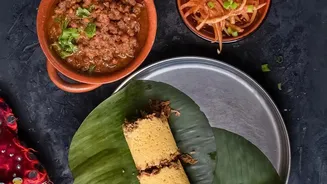

1. Leftover Rice: Crispy Pakoras or Phodnicha Bhaat
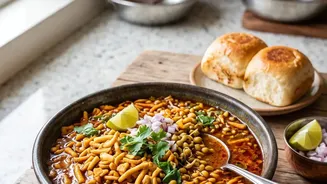
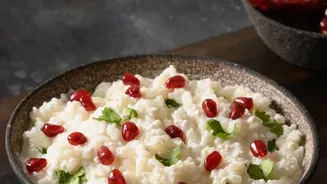
Yesterday's plain rice is today's blank canvas. Instead of just reheating it, transform it into something spectacular. For a teatime snack, make crispy rice pakoras. Just mash the leftover rice, mix with besan (gram flour), chopped onions, green chillies,
and spices, then deep-fry until golden. Alternatively, for a quick and comforting meal, make Maharashtrian-style Phodnicha Bhaat. This is a simple tempered rice where mustard seeds, curry leaves, onions, and turmeric are sizzled in oil before the rice is tossed in, creating a fragrant and flavourful dish in minutes.
2. Overripe Bananas: Sweet Gulgule or Banana Halwa
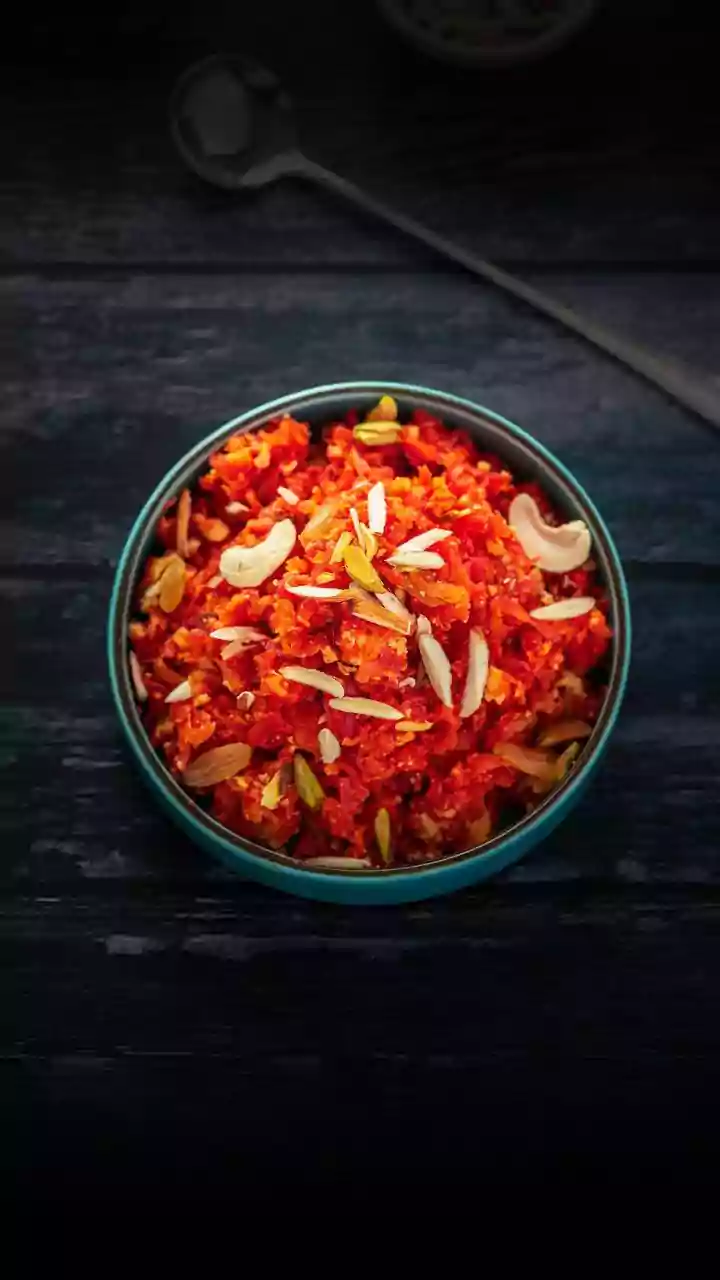
Those bananas on your counter with more black spots than yellow are not past their prime; they're at their peak sweetness and flavour, perfect for desserts. Mash them into a batter with whole wheat flour, a little sugar or jaggery, and fennel seeds to make Gulgule, which are sweet, fluffy fried dumplings popular in North India. For something even more decadent, cook the mashed bananas with ghee and sugar until it thickens into a rich, glossy Banana Halwa. It’s a wonderful way to use the fruit's natural sweetness.
3. Vegetable Peels: Spicy Chutney or Stir-fry
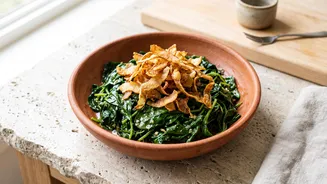
Don't throw away the peels from gourds (lauki), ridge gourd (turai), or even potatoes. These peels are packed with nutrients and can be turned into delicious side dishes. A popular South Indian approach is to make a spicy chutney. Lightly sauté the peels with lentils (dal), red chillies, and tamarind, then grind it all into a coarse, flavourful paste that pairs perfectly with dosa or idli. In Bengali cuisine, peels are often stir-fried with mustard seeds and green chillies to create a simple but tasty side dish.
4. Cauliflower Stems (Danthal): Tangy Sabzi
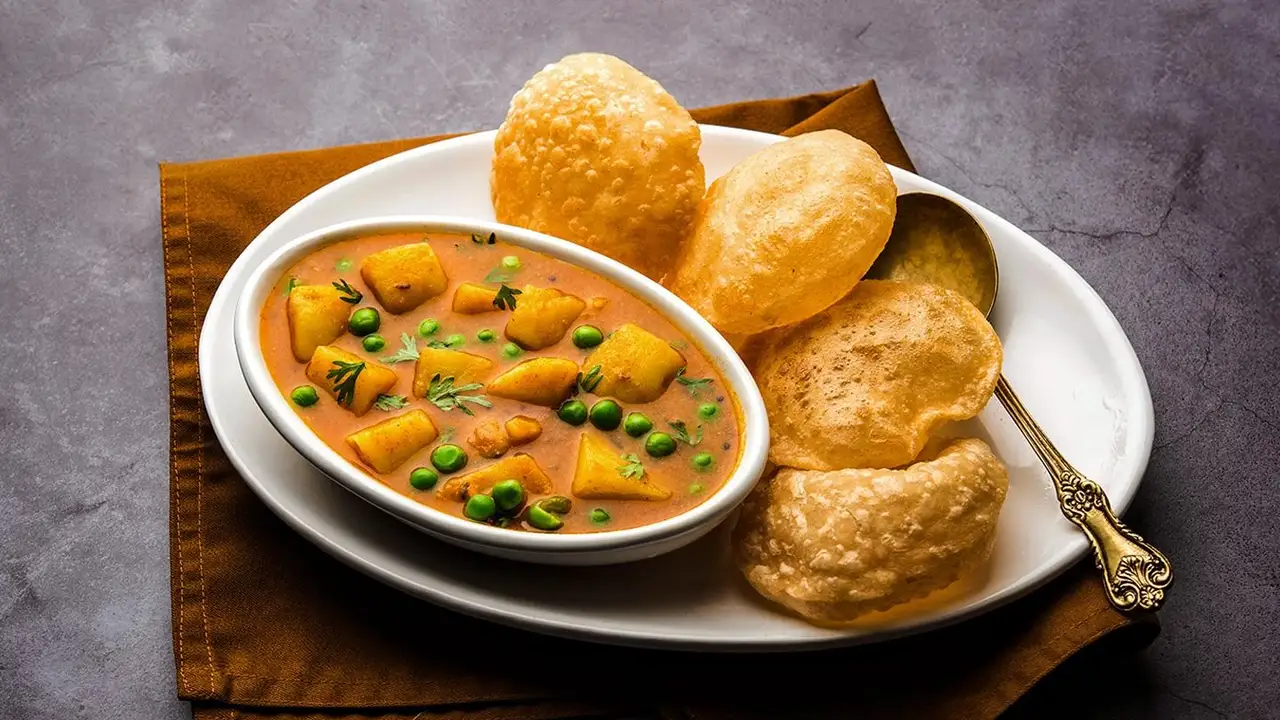
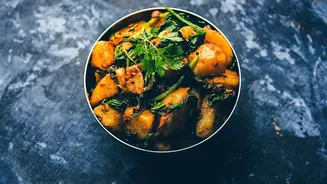
The thick, woody stems of cauliflower are often discarded, but they are completely edible and delicious when cooked correctly. Known as 'Gobi ke Danthal ki Sabzi', this North Indian dish transforms the stems into a tender, flavourful curry. The stems are peeled and chopped, then cooked with onions, tomatoes, and a blend of spices like turmeric, coriander, and garam masala until they become soft and absorb all the flavours. Some versions even add tamarind and jaggery for a sweet and sour kick.
5. Watermelon Rind: Khatti Meethi Sabzi
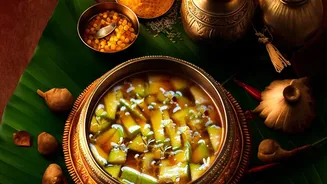
After enjoying the sweet red flesh of a watermelon, save the white and light green rind. This part of the fruit has a crisp texture similar to a cucumber and is perfect for cooking. A popular preparation is Tarbooz ke Chilke ki Sabzi, a sweet and sour vegetable dish. The rind is chopped into bite-sized pieces and cooked with tempering spices like fenugreek seeds, along with turmeric, chilli powder, and a sweetener like jaggery or sugar, creating a unique dish that goes well with rotis.
6. Leftover Dal: Hearty Dal Parathas
A bowl of leftover dal from last night's dinner is the perfect ingredient for a nutritious and filling breakfast. Instead of serving it as is, use the dal to knead a soft dough with whole wheat flour (atta). Add finely chopped onions, green chillies, and fresh coriander to the dough for extra flavour. Roll out the dough into parathas and cook them on a hot tawa with a little ghee or oil until golden brown and crispy. Serve these hearty parathas with a side of plain curd or pickle.
7. Paneer Whey (Water): Nutritious Dough or Gravy Base
The watery liquid left behind after making paneer at home is called whey, and it is full of protein and nutrients. Instead of pouring it down the drain, use it in your cooking. One of the simplest uses is to knead your chapati or paratha dough with it instead of plain water. It makes the rotis incredibly soft and adds nutritional value. You can also use it as a flavourful, slightly tangy base for curries, dals, or soups, replacing water to create a richer, creamier consistency.
8. Sour Curd (Khatti Dahi): Fluffy Dhokla or Tangy Kadhi
When curd turns a bit too sour to eat on its own, it becomes the perfect ingredient for fermentation and adding tang. It's the secret to a perfectly tangy and flavourful Punjabi Kadhi Pakora, where it forms the base of the creamy yogurt sauce. Sour curd is also essential for making soft and spongy fermented foods like Idli and Dhokla, where its acidity helps create a light and airy texture. You can also simply blend it with water and spices to make a refreshing glass of masala chaas.