








A Sunshine Success Story
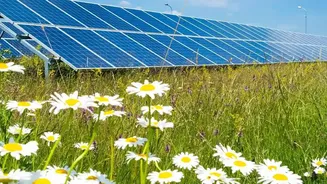
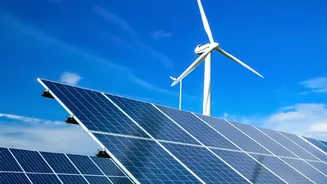
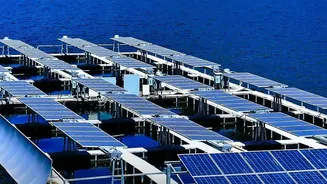
There’s no denying India's remarkable solar achievements. By mid-2026, the country's cumulative installed solar capacity surged to 165 gigawatts (GW), with a record 27 GW added in the first half of the year alone. This rapid growth, driven by ambitious
government targets and falling equipment costs, means solar now accounts for a significant portion of India's total power capacity. The goal is clear: achieve 500 GW of non-fossil fuel energy capacity by 2030, a cornerstone of the nation’s climate commitments. This solar boom is changing the country’s energy landscape, but building panels is only half the battle.
The Problem of Intermittency
The fundamental challenge with solar power is its intermittent nature—it only generates electricity when the sun is shining. Peak solar generation occurs around noon, but peak electricity demand in homes and businesses often happens in the evening, long after the sun has set. This creates a fundamental mismatch. During the day, there can be a surplus of solar power that the grid cannot absorb, while in the evening, the system must rely on other, often fossil-fuel-based, power sources. Without a way to save the daytime energy for nighttime use, a significant amount of clean power simply goes to waste.
The Storage Bottleneck
This is where energy storage, primarily through large-scale batteries, becomes crucial. Battery Energy Storage Systems (BESS) can absorb excess solar power during the day and release it during peak evening hours, ensuring a stable and reliable power supply. Recognizing this, India is making a significant push, with installed battery capacity growing exponentially in 2026. However, hurdles remain. The cost of battery storage, despite falling globally, is still a significant investment. Recent volatility in the price of raw materials has threatened the financial viability of some projects that were bid on with expectations of ever-declining costs. While the government has introduced policies like Viability Gap Funding and mandatory storage requirements for new renewable projects starting in 2027, scaling up to meet the nation’s needs remains a massive financial and logistical challenge.
A Transmission Grid Under Strain
The other critical piece of the puzzle is the transmission network. India's electricity grid was designed for a different era, one dominated by large, centralized fossil fuel plants. It wasn't built to handle the massive influx of power from decentralized solar and wind farms, which are often located in remote, resource-rich states like Rajasthan and Gujarat. As a result, the transmission infrastructure has not kept pace with the rapid installation of renewable capacity. This creates bottlenecks where there simply aren't enough high-voltage lines to carry the electricity from where it's generated to the demand centers hundreds of kilometers away.
The Cost of Congestion
The consequence of an inadequate grid is known as 'curtailment'. Grid operators are often forced to ask solar plants to reduce or stop generating power, even on a sunny day, because the transmission lines are full. In the first half of 2026, a significant amount of solar energy was curtailed due to these transmission constraints. This not only wastes clean energy but also hurts the finances of renewable energy developers, who lose revenue every time their plant is curtailed. It is estimated that nearly 21 GW of renewable capacity is currently connected through temporary arrangements, facing restrictions on power evacuation and putting projects at financial risk. Building new transmission lines is a complex and time-consuming process, involving land acquisition, statutory clearances, and inter-agency coordination, often lagging years behind the commissioning of power plants.