






Why Your Flight Ticket Is Linked to Oil
The connection is simple: planes run on Aviation Turbine Fuel (ATF), a product derived from crude oil. For Indian airlines, ATF constitutes a massive 35-40% of their total operating expenses. When global crude prices rise, oil marketing companies in India raise
ATF prices, a move they've already made twice in the last two months. On September 1, 2026, ATF prices for domestic airlines were hiked by 5.46%, taking the rate to ₹121.28 per litre. This significant increase in their primary running cost puts immense pressure on airlines, who often have little choice but to pass the burden on to passengers.
Expect Higher Airfares This Month
While airlines haven't made official announcements about a widespread fare hike just yet, industry experts believe it's inevitable. In a competitive market, carriers might absorb some costs, but a sustained increase in fuel prices usually leads to higher ticket prices. This can happen in two ways: a direct increase in the base fare or the reintroduction of a 'fuel surcharge'. This means that even if you find a seemingly cheap ticket, the final amount after taxes and surcharges could be noticeably higher. For instance, after a previous fuel hike, Air India had added a fuel surcharge of $50 for some international flights. With the festive and holiday rush approaching, the combined effect of high demand and high fuel costs points towards a more expensive flying experience.
Thinking of a Road Trip Instead?
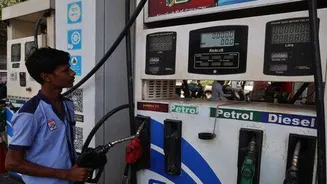
A road trip might seem like a good way to bypass rising airfares, but it comes with its own set of challenges. The same crude oil that becomes ATF also gets refined into the petrol and diesel for your car. High oil prices invariably lead to higher prices at the pump. While the government can and sometimes does absorb some of the shock by adjusting excise duties, a significant global price surge eventually reaches the consumer. Before committing to a long drive, it's wise to calculate the estimated fuel cost for your journey based on current petrol or diesel prices. The flexibility of a road trip is a major plus, but it may not necessarily be the budget-friendly alternative it once was.
The Ripple Effect on Holiday Packages
If you're booking a holiday package, be prepared for potential price revisions. Tour operators bundle various costs, including flights, ground transportation, and even hotel operations, all of which are sensitive to fuel prices. When airlines raise fares and bus operators increase their charges, the input cost for the tour company rises. These increased costs are almost always passed on to the customer in the final package price. If you have already booked a package, check the terms and conditions for clauses about fuel surcharges or price escalations. If you haven't booked yet, it would be prudent to lock in a price as soon as possible.
International Travel Faces a Double Impact
For those planning an overseas trip, the financial hit can be twofold. First, international flights will become more expensive due to the ATF price hike, sometimes even more so than domestic ones. Second, high crude oil prices put pressure on the Indian economy and the value of the rupee. India imports over 85% of its crude oil, and these purchases are made in US dollars. A higher import bill can weaken the rupee. A weaker rupee means your money has less purchasing power abroad, making everything from hotels and food to shopping more expensive at your destination. This 'double whammy' makes international travel significantly costlier.