





It's the exercise you see everywhere: the Superman. Hailed as a simple fix for back pain and a core-strength hero, its promises are as lofty as its name. But how much of that is hype? Let's take a closer look.
What Is the Superman Exercise?
The Superman is a bodyweight exercise performed
by lying face down on the floor. From this prone position, you simultaneously lift your arms, legs, and chest off the ground, holding the contracted position for a few seconds before lowering back down. The movement mimics the iconic flying pose of the superhero, hence the name. Its primary goal is to target the posterior chain — the group of muscles along the backside of your body. Specifically, it's designed to engage the erector spinae (the muscles running alongside your spine), as well as the glutes and hamstrings.
The Claim: A Cure-All for Your Back
Search for back-pain solutions, and the Superman will inevitably appear. The claims are often grand: it will build a bulletproof back, correct your posture from hours of slouching, and give you a strong, stable core. It’s frequently promoted as a foundational exercise that everyone, from office workers to athletes, should incorporate into their routine. Because it requires no equipment and can be done anywhere, it's sold as the ultimate convenient solution to a complex problem. The promise is simple: a few sets of Supermans a day will keep the back pain away.
The Reality: A Limited but Useful Tool
Here's where perspective is crucial. The Superman is an isometric and endurance exercise, not a primary strength or muscle-building movement. It's excellent for improving mind-muscle connection and building low-level endurance in the spinal erectors. This can be beneficial for people who are very deconditioned and need to 'wake up' these muscles. However, it's not a magic bullet. The exercise puts the spine into hyperextension under load, which can be risky for individuals with certain pre-existing conditions like spinal stenosis or facet joint issues. For building true, functional back strength that supports heavy lifting and dynamic movements, the Superman falls short. It’s a small piece of the puzzle, not the entire picture.
The Power of Controlled Repetitions
The second part of the headline — 'Controlled Repetitions' — is arguably more important than the exercise itself. Many people perform the Superman by flinging their limbs up as high as possible, using momentum and holding for a brief, jerky moment. This is both ineffective and risky. A controlled repetition involves a slow, deliberate lift, a conscious squeeze of the glutes and back muscles at the top, and a gentle lowering. This technique, also known as 'time under tension', maximizes muscle engagement and minimizes the risk of straining your lower back. This principle applies to all exercises: quality of movement will always trump quantity of reps or the amount of weight lifted.
Smarter Alternatives for a Stronger Back
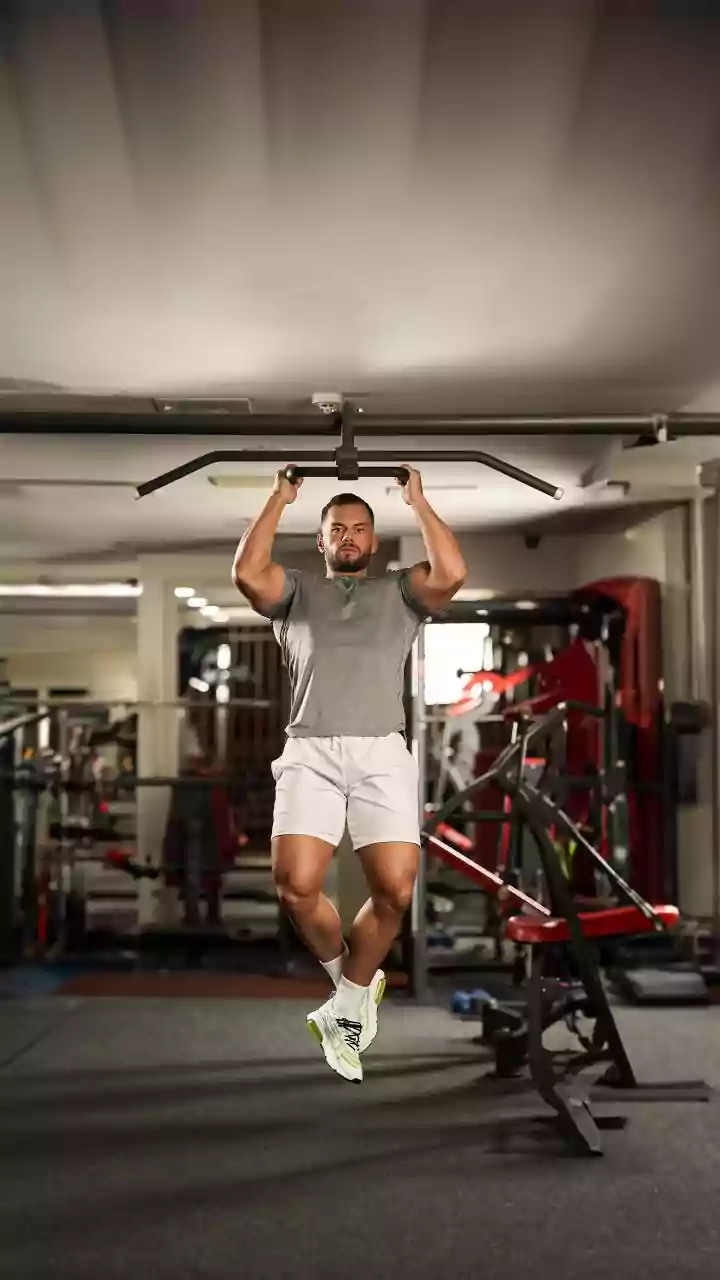
If the Superman is a starting point, where should you go from there for more robust back health? For foundational stability without the risky hyperextension, the Bird Dog exercise is often recommended by physical therapists. It challenges core stability and coordination in a neutral spine position. For building real strength and muscle, compound movements are king. Properly executed deadlifts, Romanian deadlifts, bent over rows, and pull ups engage the entire posterior chain in a more functional way, leading to greater strength, muscle growth, and resilience. These exercises teach your body to work as an integrated system, which is essential for both athletic performance and everyday life.