






The Soggy Samosa Situation
Just a few years ago, a forecast of heavy rain would have been a death sentence for an outdoor food festival. Attendees would stay home, vendors would face devastating losses, and social media would be flooded with complaints. The story was simple: rain ruins
everything. We’ve all seen the pictures—soggy napkins, diluted drinks, and the sad, dejected look of someone whose perfectly grilled kebab just took a direct hit from a rogue raindrop. Festivals in major cities like Mumbai, Delhi, and Bengaluru have all faced the wrath of the weather gods, with sudden downpours turning grassy fields into muddy swamps in minutes. The initial reaction was always one of collective annoyance, a shared digital groan over cancelled plans and wasted tickets.
When The Vibe Shifts
But something has changed. As the monsoon remains an unpredictable but guaranteed feature of Indian life, the attitude towards it at these festivals has begun to evolve. The conversation has shifted from outright frustration to a kind of wry, resilient humour. The group chat is no longer just for complaining; it’s for sharing videos of people dancing in the rain, for posting memes about choosing gumboots over sneakers, and for celebrating the sheer, stubborn joy of eating a hot plate of chole bhature while huddled under a tiny umbrella. It seems we’ve collectively decided that if we can’t beat the rain, we might as well embrace it. The inconvenience has become part of the adventure, a shared experience that makes the festival even more memorable.
Organisers Get a Rain Check
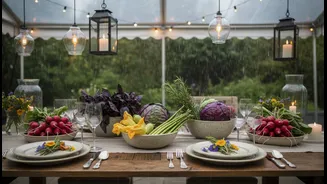
This shift isn't just happening among attendees. Festival organisers, who have the most to lose from a washout, are finally getting serious about monsoon-proofing their events. The old model of simply crossing their fingers and hoping for a dry weekend is being replaced by robust contingency planning. We are now seeing larger and more structurally sound tented zones, raised wooden platforms to keep stalls and visitors out of the mud, and improved drainage systems. Some are even leaning into the weather with their marketing, adopting a “rain or shine” ethos that encourages people to come prepared. This proactive approach not only saves the event financially but also sends a message to ticket holders: we’ve got you covered, literally. It's a move from weather-dependent to weather-resilient, a crucial step for any large-scale outdoor event in India.
Monsoon Festival Chic Is Real
With this new acceptance comes a whole new aesthetic. Attending a rainy food festival is now a fashion opportunity. The drab, functional raincoat has been replaced by stylish waterproof jackets, clear ponchos that show off the outfit underneath, and an array of colourful, sturdy gumboots. The humble umbrella has become a statement accessory. It’s a practical yet expressive style that says, “Yes, I knew it would rain, and I came prepared to make it a look.” This ‘monsoon chic’ is all over Instagram, turning muddy fields into unlikely runways. It reflects a broader cultural trend of adapting to circumstances with creativity and flair, transforming a potential negative into a point of personal style and pride.
The Taste of Rain
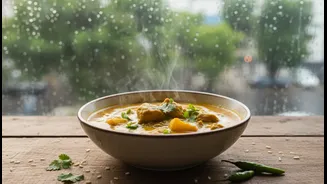
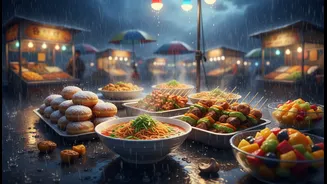
Ultimately, it’s still all about the food. And arguably, some food even tastes better in the rain. The demand for piping hot, comforting dishes skyrockets during a downpour. Think steaming bowls of noodles, spicy soups, freshly fried bhajis, and, of course, endless cups of chai. Vendors are catching on, adapting their menus to cater to these rainy-day cravings. There’s a unique, primal comfort in savouring something hot and delicious while the rain patters down around you. It creates a cosy, intimate atmosphere, a stark contrast to the sprawling, sun-baked festivals of the drier months. The rain forces people closer together, creating smaller pockets of community under shared shelters, all bonded by the weather and a love for good food.