








The Method Behind the Madness
That sudden scramble isn’t always a sign of poor planning, but often a result of the immense operational complexity of the Indian Railways network. A primary reason for a last-minute platform switch is to manage delays and regulate traffic. If an incoming
train is running late, the platform designated for it might be allocated to another train that is on schedule to prevent a cascading effect of delays. This dynamic rescheduling is crucial for keeping the network fluid. Other factors include unscheduled maintenance on a track or signal, a mechanical issue with a train already occupying a platform, or even a last-minute adjustment in a train's length requiring a longer platform. While frustrating for passengers, these decisions are typically made by station dispatchers to ensure the overall timetable doesn't completely unravel.
Why Big Stations Suffer the Most
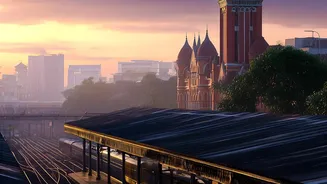
The problem is significantly magnified at major junctions like New Delhi, Howrah, or Mumbai CSMT. These stations handle hundreds of trains and lakhs of passengers daily. The sheer volume means platforms are occupied almost continuously, leaving very little buffer time between arrivals and departures. A minor delay of a single train can have a significant domino effect, forcing controllers to make rapid adjustments. Furthermore, these stations are intricate webs of tracks, signals, and points, where routing a train to a different platform is a complex maneuver. The infrastructure, often decades old, was not always designed to handle today's massive passenger volumes, leading to bottlenecks on footbridges and staircases when crowds are suddenly forced to move. This high-density environment makes any disruption, including a platform change, far more chaotic.
The Human Cost of a Simple Switch
For railway staff, a platform change is an operational adjustment; for passengers, it can be a significant ordeal. The burden falls heaviest on elderly travellers, persons with disabilities, and families with young children and heavy luggage. Navigating crowded footbridges at a moment's notice can be physically demanding and dangerous. In the panic, some passengers may resort to crossing tracks, risking their safety. The quality of public announcement systems can also be a major issue, with announcements sometimes being unclear, muffled, or confusing, adding to the stress and occasionally leading to dangerous stampedes. While railways are working on solutions like dedicated holding areas at major stations to control platform access, these are still being rolled out.
Your Strategy for a Smoother Journey
While you can't control the railway's operations, you can adopt a strategy to minimise stress. First, arrive at the station early. This gives you a buffer to handle any unexpected changes without panicking. Second, use technology to your advantage. Apps like NTES or other third-party services provide live train status and often list the expected platform number. While this information is subject to change, it provides a good starting point. Always listen carefully to announcements and double-check the digital display boards. If you are unsure, ask at an enquiry counter. Packing light can make a huge difference if you need to move quickly. Finally, don't hesitate to ask for help from railway staff or fellow passengers if you are struggling with luggage or finding your way.