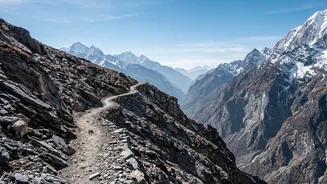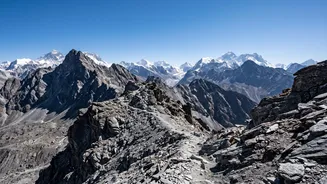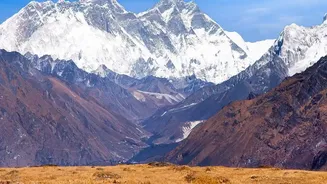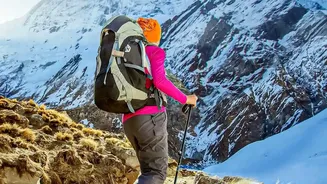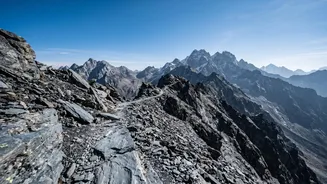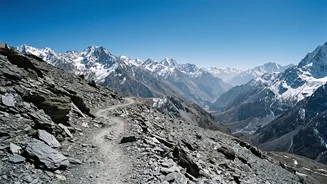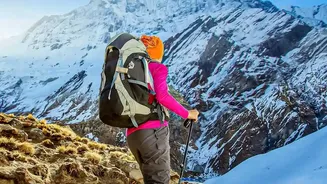



Recent events in Nepal, where authorities rescued and fined a group of Indian trekkers, serve as a stark reminder for adventurers. The Himalayan nation is enforcing its trekking rules more strictly, making it crucial for Indians to understand the new
norms.
A Costly Rescue in Upper Dolpa
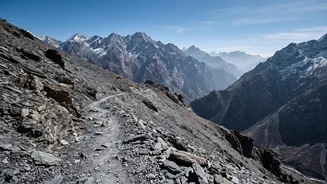
In late October 2026, six Indian trekkers found themselves stranded in the snowbound Upper Dolpa region of Nepal. According to Nepalese officials, the group entered a restricted area without the necessary permits, disregarded severe weather warnings, and even left their guide behind to press onward. The subsequent rescue operation cost the Nepalese government an estimated 10 lakh Indian rupees. The trekkers were evacuated by helicopter after being stranded for two nights and later faced fines for their actions. Officials noted that the fines were reduced on compassionate grounds, but criticised the group's behaviour as irresponsible, highlighting the strain such incidents place on local resources, especially after recent natural disasters.
Why Nepal is Cracking Down
This incident is not isolated but part of a broader trend. Nepal is taking a harder stance on unsafe trekking practices to enhance tourist safety and protect its tourism reputation. The primary catalyst for the crackdown was a 2023 decision by the Nepal Tourism Board to ban solo or independent trekking on most major routes. This was in response to a growing number of incidents involving trekkers getting lost, suffering from altitude sickness, or facing other emergencies without immediate support. Authorities stated the new rules aim to ensure every trekker has access to a professional support system, which can be critical during rescue operations. Furthermore, the policy is designed to create local employment for licensed guides and discourage unauthorised, and often unsafe, trekking operations.
The Mandatory Guide Rule Explained
As of April 1, 2023, all foreign trekkers, including Indians, are required to hire a government-licensed guide through a registered trekking agency for most popular routes. This applies to approximately 44 major trails in regions like Annapurna, Manaslu, and Langtang. Trekkers must also obtain a Trekker's Information Management System (TIMS) card through their agency; it is no longer possible for Free Individual Trekkers (FITs) to obtain one for these routes. For SAARC nationals, the TIMS card fee is NPR 1,000 (around ₹625) when processed via an agency. Some areas, like the Everest region, have their own local rules and have at times resisted the national mandate, but the official government policy remains firm. Travellers found on designated trails without a guide or a valid TIMS card can face fines.
Are Indians Exempt? Know the Nuances
While Indian nationals do not require a visa to enter Nepal, they are not exempt from these trekking regulations. The rules regarding mandatory guides and permits apply to all foreign nationals. The Nepal Tourism Board's website explicitly states that tourists of all nationalities, including Indians, need a TIMS card to visit general trekking areas. Permit fees are often categorised, with different rates for foreign nationals, SAARC nationals, and Nepali citizens. Indians fall into the SAARC category, which typically offers a lower fee than for other foreign tourists but does not waive the requirement. Therefore, assuming one can trek freely simply by being an Indian citizen is a mistake that can lead to penalties and dangerous situations, as seen in the Upper Dolpa incident.
Your Checklist for Safe Trekking in Nepal
The message from Nepal is clear: preparation is key. The era of spontaneous, go-it alone trekking in major areas is over. Before planning a trip, Indian trekkers should:
1. Engage a Registered Agency:
Do not use informal channels. Only government registered trekking agencies can secure the necessary TIMS card and permits for you.
2. Hire a Licensed Guide:
Your agency will arrange a licensed guide. This is now mandatory for most major routes and non negotiable for restricted areas.
3. Secure All Permits:
This includes the TIMS card and specific permits for National Parks, Conservation Areas, or Restricted Areas. Your agency will handle this, but ensure you have copies.
4. Heed Local Warnings:
Pay close attention to weather advisories and instructions from local authorities and your guide. As the recent incident showed, ignoring them can have severe consequences.
5. Get Travel Insurance:
While not always checked, having a policy that covers high altitude helicopter evacuation is highly recommended. The lack of insurance complicated the recent rescue in Dolpa.