



A Landmark Shift in the Market
For the first time in India's automotive history, the combined retail sales of alternative fuel vehicles—comprising Compressed Natural Gas (CNG), electric (EV), and hybrid cars—surpassed those of traditional petrol cars in August 2026. Data from the Federation
of Automobile Dealers Associations (FADA) showed that alternative fuels captured a 41.95% market share, narrowly edging out petrol's 40.85%. While this is a watershed moment for green mobility, the real headline is the engine driving this change. CNG vehicles alone accounted for a massive 25.28% of all passenger vehicles sold, more than triple the share of EVs (7.63%) and hybrids (9.04%) combined. This wasn't a fluke; it was the result of a powerful and growing trend. Total CNG vehicle dispatches crossed the one-lakh mark, hitting 1,05,249 units, a staggering 46.1% year-on-year growth.
The Undeniable Pull of Running Costs
The primary reason for CNG's dominance is simple: economics. For the vast majority of Indian car buyers, the total cost of ownership is a critical factor, and CNG offers a compelling proposition. As of late 2026, the running cost of a CNG car was estimated to be around ₹2.62 per kilometre. This is a dramatic saving compared to a petrol car, which costs upwards of ₹7 per kilometre to run. While EVs boast an even lower running cost, often below ₹2 per kilometre when charged at home, they come with a significantly higher upfront purchase price. CNG hits the sweet spot, providing substantial fuel cost savings over petrol without the steep initial investment required for an EV. This makes it the default choice for high-mileage urban commuters and budget-conscious families looking to escape volatile petrol prices.
Automakers Lean into the Demand
India's leading car manufacturers are not just responding to this trend; they are actively driving it. Maruti Suzuki, the undisputed market leader, has made CNG a cornerstone of its strategy. The company dispatched over 73,000 CNG units in August, commanding nearly 70% of the segment's market share. Its strategy of offering a factory-fitted CNG kit in almost every popular model, from the entry-level Alto to the Brezza SUV and Ertiga MPV, has paid off handsomely. Not to be outdone, Tata Motors has seen explosive growth in its CNG portfolio, with sales jumping over 70% year-on-year. By integrating its innovative twin-cylinder technology in high-demand models like the Punch SUV, Tata has made CNG more practical by freeing up boot space and appealing to buyers who want an SUV body style without petrol running costs. The expansion into automatic transmissions for CNG cars by both manufacturers further broadens their appeal.
A Pragmatic Bridge to an Electric Future
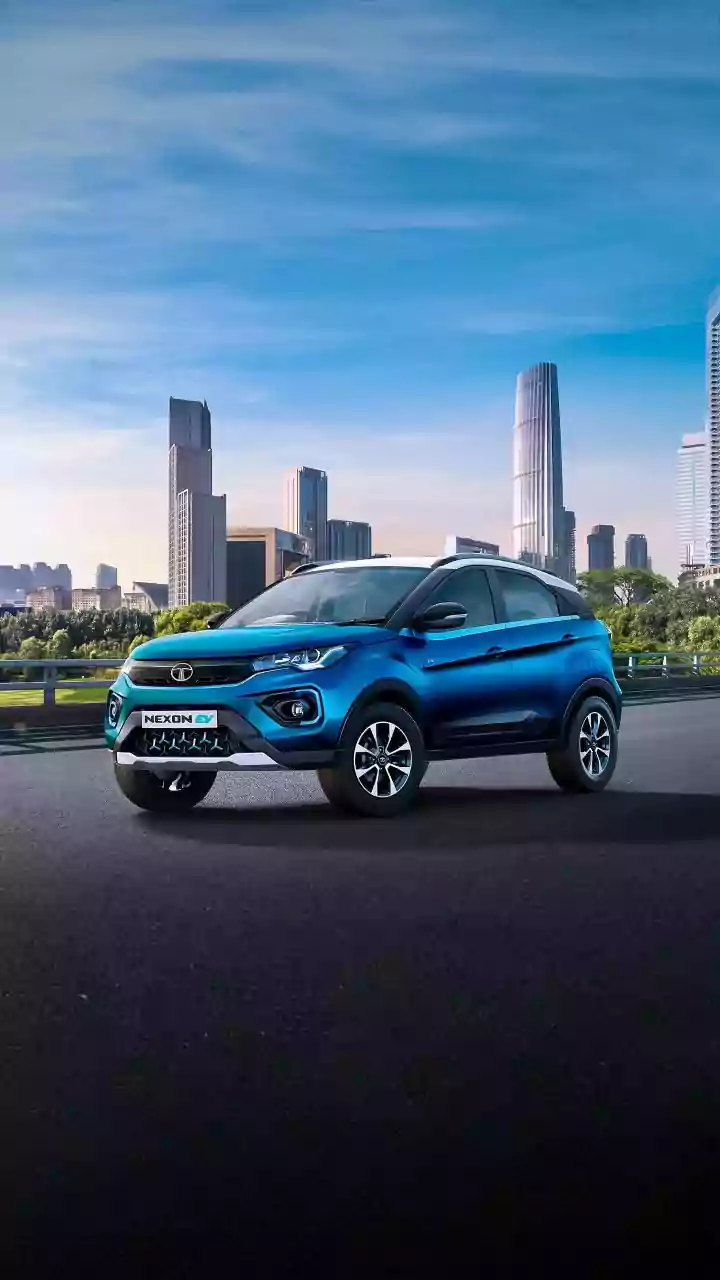
While the EV revolution is undeniably underway, it still faces significant hurdles for mass adoption in India. The lack of a dense, reliable, and evenly distributed public charging network remains a primary concern, fueling range anxiety among potential buyers. Reports from early 2026 indicated India had only one public charger for every 225 EVs on the road, a stark contrast to more mature EV markets. Combined with the high initial cost of purchase, these factors make EVs a practical choice for a relatively small segment of the population. In this context, CNG serves as the perfect transitional fuel. It offers a cleaner-burning alternative to petrol and diesel, lower running costs, and the convenience of a quick refueling process that mirrors the traditional car ownership experience. For millions of Indians, CNG is not a compromise; it is the most logical and accessible step towards cleaner and more affordable mobility today.