







Align Your Diet with the Season
The wisdom behind Shravan fasting aligns perfectly with Ayurvedic advice for the monsoon. During this time, digestive strength is considered weaker, making it crucial to eat light, warm, and easily digestible foods. This is the core of a 'sattvic' diet,
which is traditionally followed during this holy month. Prioritise freshly cooked meals like khichdi, dal soup, and steamed vegetables such as bottle gourd (lauki) and bitter gourd (karela). It's advisable to avoid heavy, oily, and non-vegetarian foods. Many also steer clear of onion, garlic, and leafy greens, as the high humidity increases the risk of contamination and pests. Instead of regular salt, consider using rock salt (sendha namak) in your preparations. This seasonal diet isn't just about religious observance; it’s a practical way to support your gut health when it's most vulnerable.
Boost Your Immunity and Stay Healthy
The monsoon brings a higher risk of infections, from the common cold to water-borne diseases. Strengthening your immunity is key. Incorporate natural immunity boosters like ginger, turmeric, and tulsi into your daily routine, perhaps through herbal teas. Staying hydrated is crucial, but stick to boiled or filtered water to avoid contaminants. Many traditional households avoid curd during Shravan, a practice that aligns with Ayurvedic concerns about it being heavy on digestion during the humid season. Pay close attention to personal hygiene by washing your hands frequently and taking regular showers, ensuring you dry yourself thoroughly to prevent fungal infections. If you get caught in a downpour, change into dry clothes as soon as possible.
Mindful Observance of Shravan Rituals
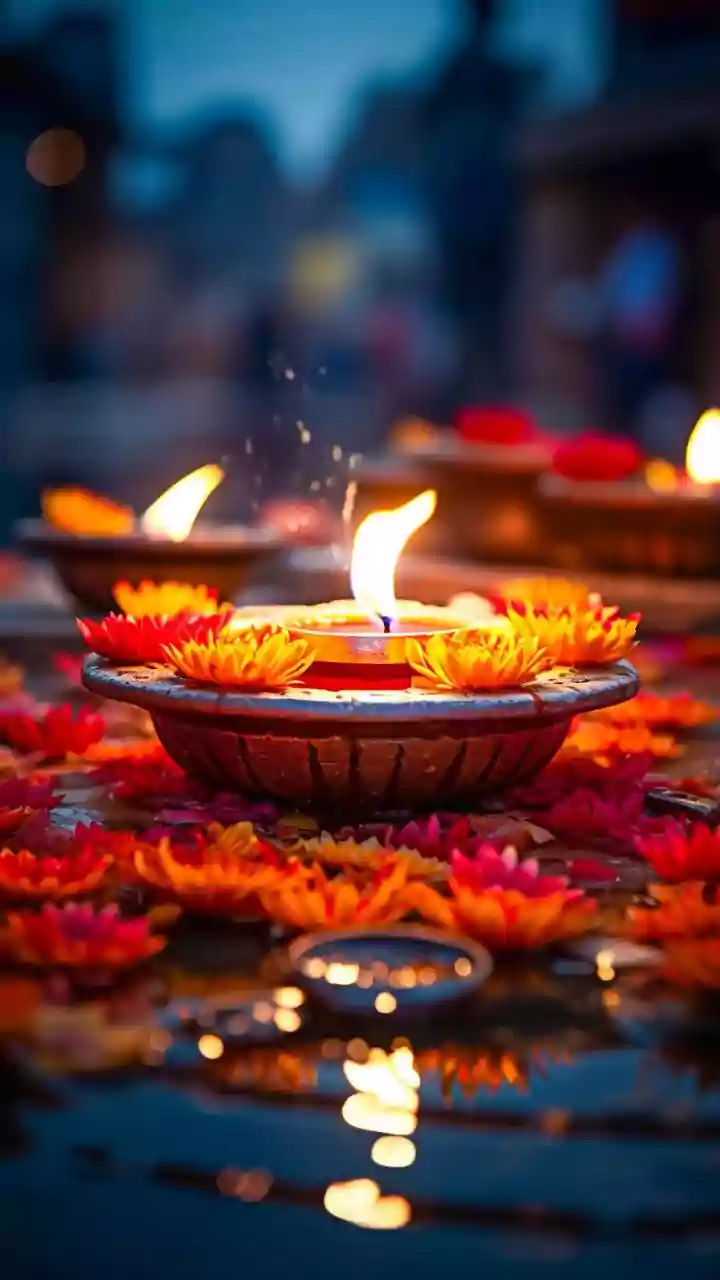
Shravan is a month dedicated to Lord Shiva, and observing rituals can bring a sense of peace and discipline. For many, this involves fasting on Mondays, known as Shravan Somvar. A fast can range from consuming only fruits and milk to having a single meal after sunset. You can perform simple rituals at home, like lighting a lamp and offering milk or holy water to a Shivling. Chanting mantras such as "Om Namah Shivaya" is a simple yet powerful way to connect with the spiritual energy of the month. Tuesdays are also significant for married women, who often observe the Mangala Gauri Vrat for familial well-being. These practices are meant to foster a calm and focused mind.
Monsoon-Proof Your Wardrobe and Commute
Navigating daily life during the monsoon requires some practical adjustments. Opt for lightweight, quick-drying fabrics like cotton and synthetic blends. Wearing long-sleeved clothes can offer protection from mosquito bites, which are more common this season. When it comes to footwear, choose waterproof sandals or floaters and avoid leather shoes, which can be ruined by water. Always carry an umbrella or a raincoat. If you're commuting, be mindful of waterlogged streets, which can be breeding grounds for diseases like leptospirosis. Protect your electronic gadgets and important documents by carrying them in a waterproof bag.
Keeping Your Home Fresh and Dry
The constant dampness during the monsoon can lead to musty smells and mould growth inside the home. Ensure your home is well-ventilated by opening windows during dry spells to allow air to circulate. Wardrobes are particularly susceptible to dampness; placing moisture absorbers like silica gel packs, neem leaves, or camphor balls can help protect your clothes. Wash clothes in smaller loads and, if drying them indoors, use a fan or a dehumidifier to speed up the process. Ironing clothes when they are completely dry also helps remove any lingering moisture and prevents fungal growth. Regularly check for and fix any leaks in walls or ceilings to maintain a dry and healthy living environment.