



First, Understand Your Skin's Needs
Before you can find the right product, you need to know who you're shopping for. Most skin falls into one of a few categories: dry, oily, combination, or sensitive. A simple way to check is to wash your face with a gentle cleanser, wait about 30 minutes,
and observe. If your skin feels tight, flaky, or rough, it's likely dry. If it appears shiny all over, it's oily. A mix of an oily T-zone (forehead, nose, and chin) with drier cheeks points to combination skin. And if it often stings, reddens, or reacts to new products, you probably have sensitive skin. This basic assessment is your starting point for everything else.
Decode Key Moisturising Ingredients
Moisturisers primarily use three types of ingredients to achieve hydration: humectants, emollients, and occlusives. Think of them as a team working together. Humectants, like hyaluronic acid and glycerin, draw moisture into the skin. Emollients, such as shea butter and squalane, fill in the gaps between skin cells to soften and smooth the surface. Occlusives, like petrolatum and beeswax, form a physical barrier on top of the skin to seal that moisture in and prevent it from escaping. Your skin type determines the ideal balance. Oily skin may prefer lightweight humectants, while very dry skin often needs a robust combination of all three.
Match the Texture to Your Type
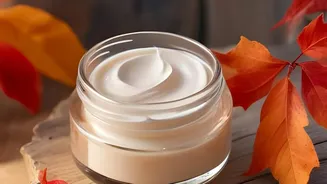
The texture of a moisturiser is a major clue to how it will feel and perform. Gels are water-based, lightweight, and absorb quickly, making them ideal for oily and acne-prone skin. Lotions are slightly richer than gels but are still fluid and non-heavy, suiting normal or combination skin. Creams are thicker and contain more oil, providing the substantial hydration that dry skin craves. Ointments are the most occlusive option, best reserved for severely dry, cracked skin as they create a powerful protective barrier. Choosing the right texture is crucial for 'skin comfort'—that feeling of balanced hydration without greasiness or tightness.
Signs Your Moisturiser Is (or Isn't) Working
How do you know if you've found a good match? Comfortable skin is the biggest sign. It should feel soft, hydrated, and calm throughout the day, not swinging between extremes. On the other hand, there are several red flags. If your skin feels tight minutes after applying, the product isn't hydrating enough. If you're experiencing sudden breakouts or small, non-inflammatory bumps, your moisturiser might be too heavy or contain pore-clogging (comedogenic) ingredients. Excessive greasiness can also be a sign of a poor match; dehydrated skin sometimes overproduces oil to compensate for a lack of moisture. And if your makeup pills or looks patchy, your moisturiser may not be creating a smooth base.
Don't Forget Seasonal Adjustments
Your skin's needs are not static; they change with the environment. The rich, heavy cream that saves your skin in the dry winter air will likely feel too suffocating during a humid summer. It’s normal and smart to adjust your routine seasonally. You might switch to a lightweight gel moisturiser in warmer months and bring back a thicker cream when the weather cools. You don't need an entirely new routine every three months. Often, simply swapping your moisturiser texture is enough to keep your skin balanced and comfortable year-round.
When in Doubt, Patch Test
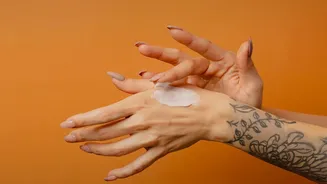
If you have sensitive skin or are trying a product with potent active ingredients, a patch test is your best friend. It helps you check for potential irritation or allergic reactions before committing to a full-face application. Apply a small amount of the new product to a discreet area, like the inside of your elbow or behind your ear, and wait 24 to 48 hours. If you see any signs of a reaction—such as redness, itching, stinging, or swelling—it's best to avoid that product. This simple step can save you from a week of managing a full-blown flare-up.