






The New Geography of Indian Travel
For decades, international travel for most Indians meant a trek to a major hub like Delhi, Mumbai, or Bengaluru. But that’s changing, fast. The real story of India's growth is now happening in its Tier-2 cities—urban centers like Jaipur, Ahmedabad, Lucknow,
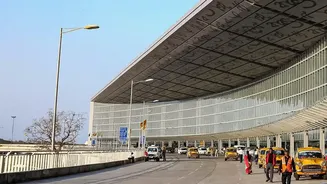
and Coimbatore. These are bustling cities with populations in the millions, powered by rising disposable incomes and a burgeoning middle class with global aspirations. Passenger traffic at these non-metro airports is seeing double-digit growth, far outpacing the traditional hubs. This explosive growth reflects a simple reality: people in these cities have the desire and the means to travel, and they have been waiting for the aviation industry to catch up. The Indian government has also played a role, aiming to dramatically increase the number of operational airports by 2047, with a focus on enhancing regional connectivity.
How Budget Airlines Cracked the Code
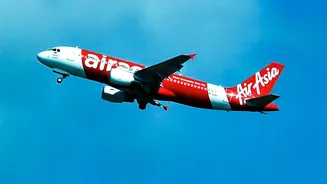
Enter the low-cost carriers. Airlines like VietJet, AirAsia, and IndiGo have recognized this massive, underserved market. Instead of forcing travelers to take a domestic flight to a metro hub for an international connection, these airlines are launching direct flights from Tier-2 cities to popular Southeast Asian destinations. Suddenly, cities like Tiruchirappalli, Jaipur, and Ahmedabad are just one affordable, non-stop flight away from Bangkok, Ho Chi Minh City, and Kuala Lumpur. This strategy bypasses the congested and expensive infrastructure of primary airports, delivering a product that is not only cheaper but significantly more convenient. Vietnamese carrier VietJet, for example, has aggressively expanded its network, connecting multiple Indian cities, including Ahmedabad and Kochi, directly to destinations in Vietnam, establishing itself as a major player in this new travel corridor.
A Passport Full of Firsts
The impact of these new routes is more than just economic; it's profoundly cultural. For millions of Indians, a trip to Thailand or Vietnam is their very first taste of international travel. What was once a distant dream is now an achievable reality for young professionals, honeymooning couples, and multi-generational families. The combination of visa-friendly policies in countries like Thailand and Malaysia, coupled with highly affordable airfares, has created a perfect storm of travel demand. This isn't just about a vacation; it's a rite of passage, a status update, and an experience shared globally on social media. The accessibility of these trips is fueling a cycle of aspiration, where seeing friends and family explore the world inspires others to get their own passports stamped.
A Win-Win for Regional Tourism
This trend is creating a powerful ripple effect across the entire Asian region. For Southeast Asian nations, this new wave of Indian tourists provides a massive boost to their local economies. Hotels, restaurants, tour operators, and retailers in places like Bangkok and Kuala Lumpur are welcoming a huge influx of visitors from a market that was previously difficult to access. AirAsia has noted that Indian travelers now make up the vast majority of passengers on its routes between India and Thailand, with planes flying at high capacity. It's a symbiotic relationship: India’s rising Tier-2 cities provide the tourists, and Southeast Asia offers an accessible and exciting playground. This connection is not just about tourism; it’s strengthening economic and cultural ties between two of the world’s most dynamic regions.