



Start with Smarter Containers
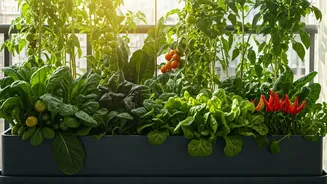
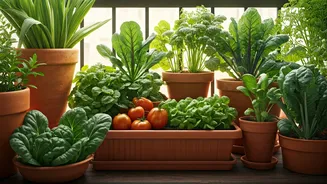
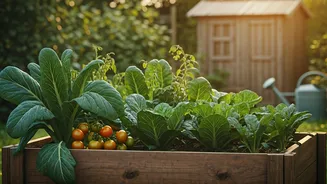
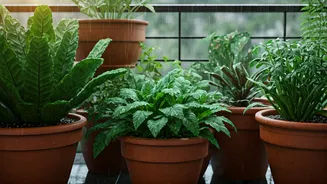
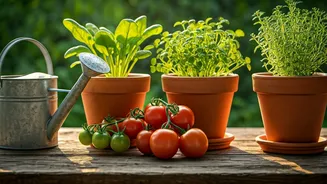
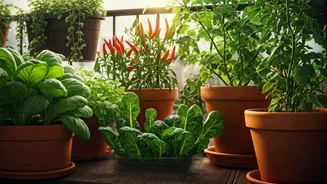
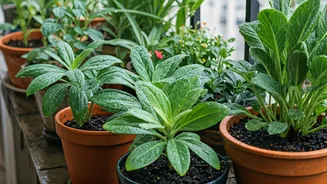
The single biggest revolution in small-space gardening isn't a plant—it's the pot it grows in. Gone are the days of heavy, breakable terracotta being the only option. Today’s market is filled with lightweight, durable, and cleverly designed containers.
Fabric grow bags, for instance, are a fantastic choice for renters; they are inexpensive, promote healthy root growth through 'air pruning,' and can be folded flat for storage. For those who are forgetful with watering, self-watering planters are a game-changer. These containers have a built-in reservoir that provides a steady supply of moisture to the plant's roots, dramatically reducing the risk of both under- and over-watering. This technology takes much of the daily guesswork out of plant care, making it the perfect starting point for a nervous new gardener.
Choose Plants Bred for the Job
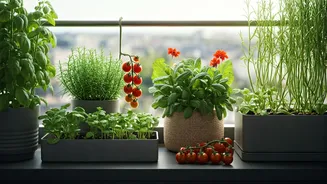
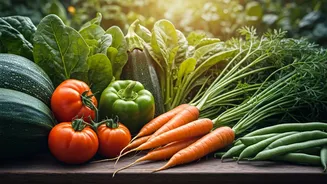
Horticulturists have heard the call from urban gardeners. The result is a wonderful boom in plant varieties specifically bred for compact living. You no longer need a sprawling patch to grow your own produce. Look for 'dwarf' or 'patio' varieties of your favourite vegetables. You can find determinate bush tomatoes that produce a full crop without turning into a jungle, compact bell peppers that thrive in a five-gallon pot, and climbing beans that will happily scale a small trellis. Even fruit is on the table, with columnar apple trees that grow straight up and dwarf citrus trees that can live their entire lives in a container. For herbs, choose compact basil varieties or trailing rosemary. Starting with a plant designed for your space sets you up for success from day one.
Think Vertical, Not Horizontal
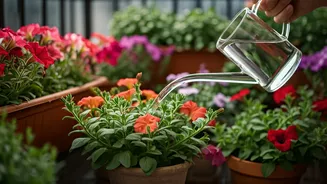
When you can't build out, build up. Vertical gardening is the key to maximising a tiny footprint. This doesn't have to mean installing a complex, expensive green wall system. It can be as simple as attaching a trellis to a pot for peas or cucumbers to climb. Wall-mounted planters and railing-hung boxes instantly create new growing real estate without taking up any floor space. Hanging baskets are perfect for trailing plants like strawberries, cherry tomatoes, or flowers like petunias and verbena. By using your vertical space, you can easily double or triple your growing capacity, allowing you to have a mix of edibles, herbs, and pollinator-friendly flowers all in one tiny area.
Master the 'Thrill, Fill, Spill' Formula
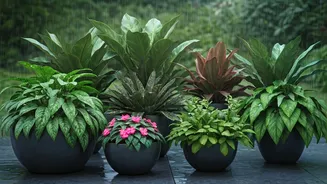
One of the most intimidating parts of container gardening is aesthetics—how do you make a pot look good? Professional designers often use a simple, three-part formula: thriller, filler, and spiller. The 'thriller' is a tall, dramatic plant that goes in the centre or back of the pot to provide height and a focal point (like a spike dracaena or a tall salvia). The 'fillers' are mounded plants that surround the thriller and make the container look full (think geraniums, coleus, or even kale). Finally, the 'spillers' are trailing plants that cascade over the edge of the pot, softening its lines (like sweet potato vine, calibrachoa, or trailing lobelia). This simple recipe provides structure and balance, taking the guesswork out of creating a beautiful, lush container arrangement.
It's All About the Soil
Plants in containers are completely dependent on you for nutrients, so starting with good soil is non-negotiable. Don't be tempted to scoop soil from your garden bed; it’s too heavy, compacts easily, and can carry pests and diseases. Instead, invest in a high-quality potting mix. These mixes are specifically formulated to be lightweight, retain moisture, and provide good drainage—all essential for container success. To make things even simpler, mix in a slow-release fertiliser at the time of planting. This provides a steady stream of nutrients for several months, meaning you won't have to worry about a complicated feeding schedule. Healthy soil is the foundation of a healthy, low-maintenance garden.