






The Spark in the Himalayas
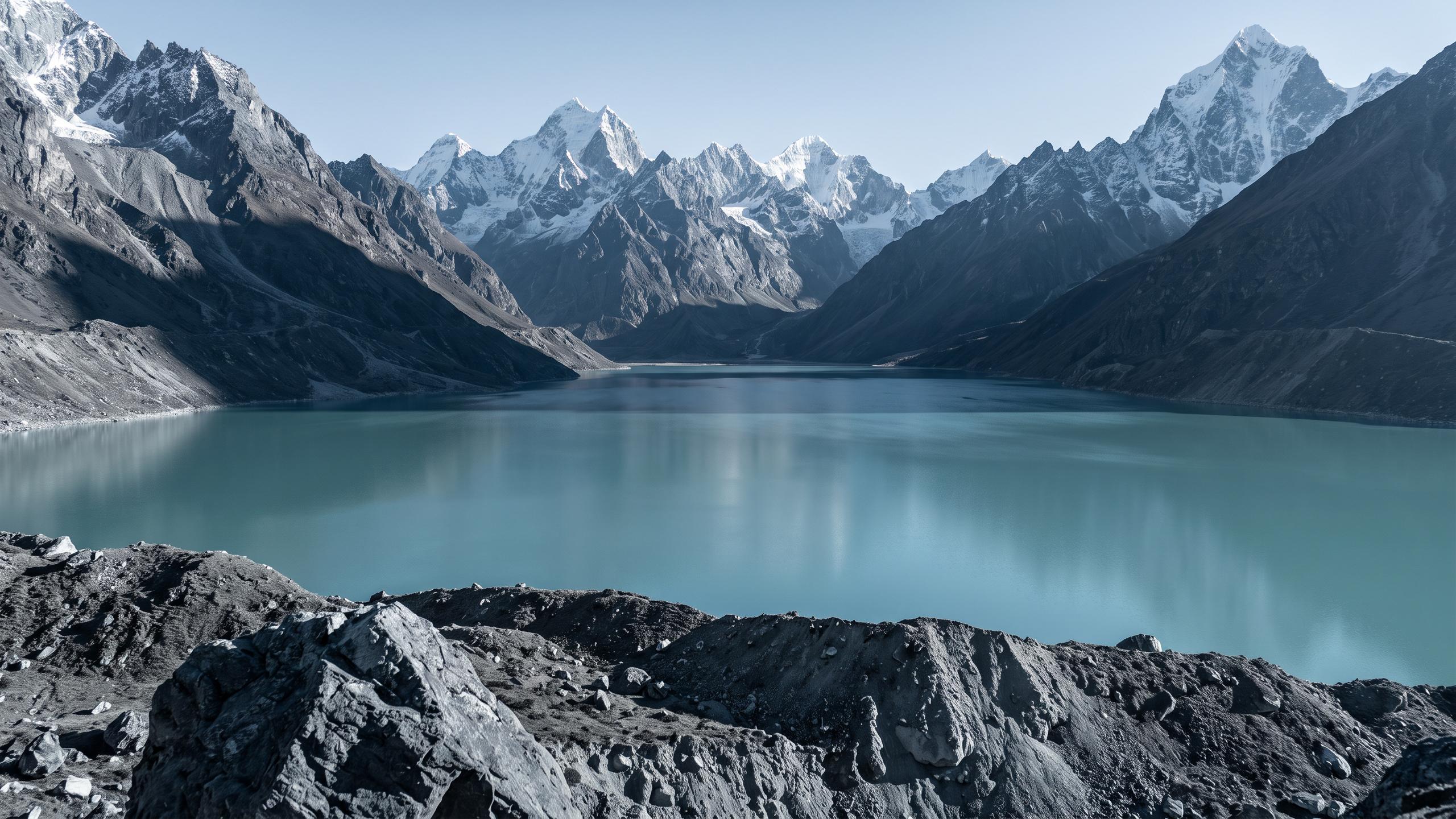
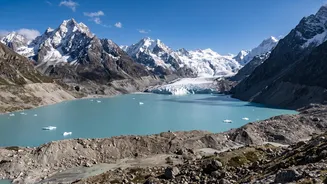
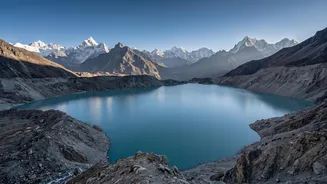
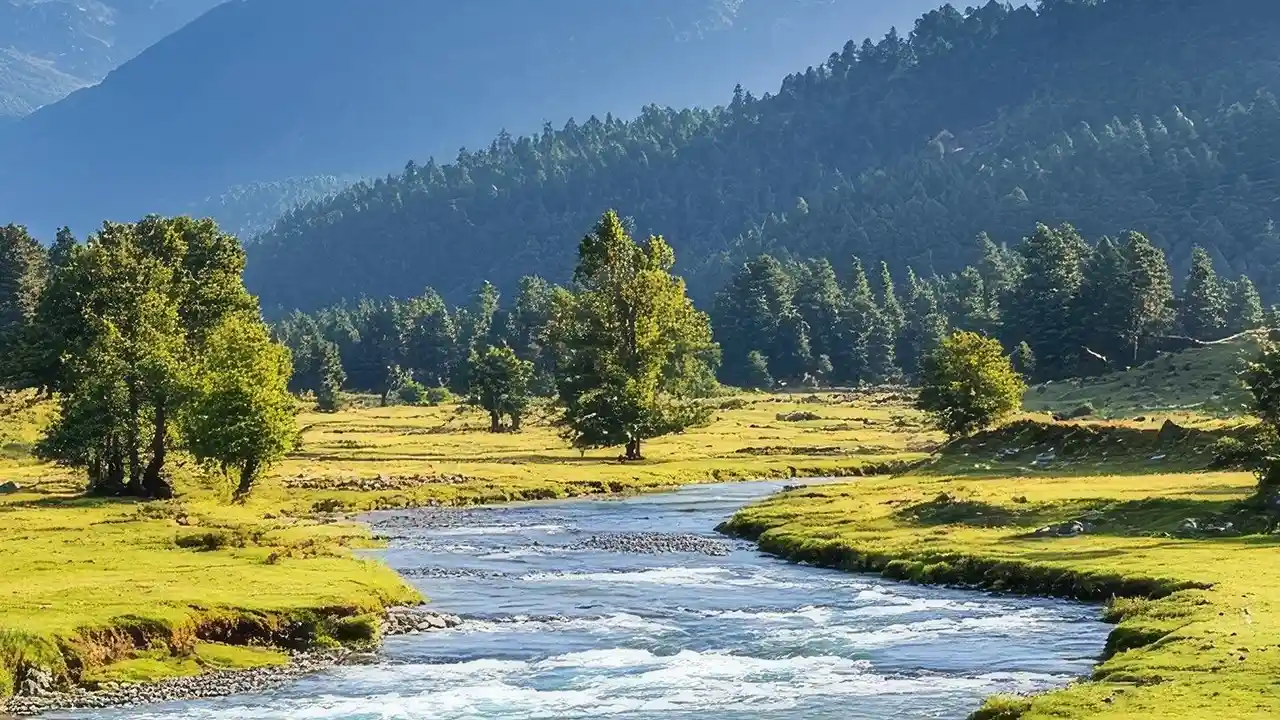
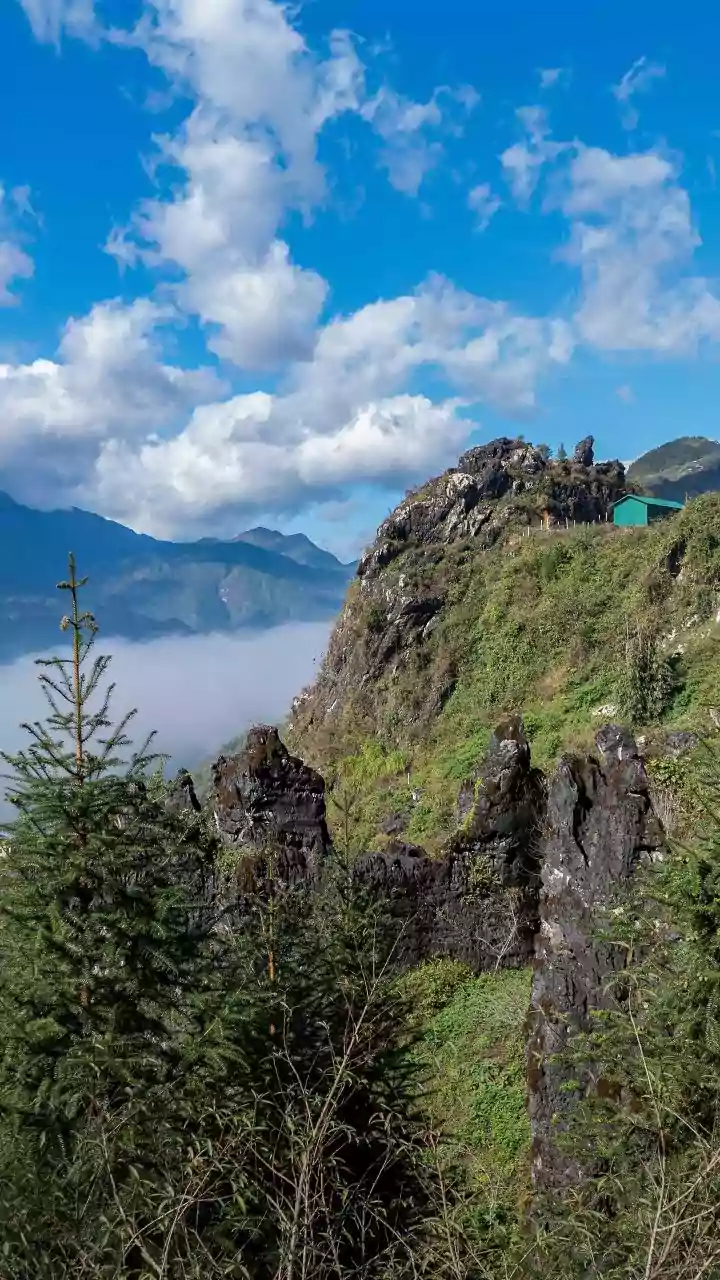
A flash flood doesn't begin as a flood at all. It starts with a trigger in the high mountains of Nepal. One of the most powerful triggers is a Glacial Lake Outburst Flood (GLOF). As glaciers melt due to rising temperatures, they form vast lakes dammed
by unstable walls of moraine—loose rock and debris. A landslide, an avalanche, or even just the immense pressure of the water can cause this natural dam to break. When it does, a phenomenal amount of water is released in an instant. Another common cause is a cloudburst, an extremely intense spell of rain in a localized area, or a landslide that temporarily blocks a river, creating a dam that eventually bursts under the pressure of the backed-up water.
The Mountain's Fury
Once unleashed, the water is not just water anymore. As it thunders down the steep Himalayan valleys, it gathers speed and transforms into a destructive slurry. Picking up everything in its path—boulders, uprooted trees, soil, and sediment—it becomes a dense, fast-moving debris flow. The sheer gradient of the mountains gives this torrent immense energy, allowing it to gouge riverbeds and collapse channel banks, adding even more material to its destructive mass. This is the stage where bridges, hydropower projects, and entire mountainside settlements can be obliterated within minutes, long before the water reaches any border.
Crossing the Border
The journey from Nepal to India is channeled by a network of trans-boundary rivers, most famously the Kosi and Gandak systems. A flood originating in a Nepali river like the Bhote Koshi can flow into larger systems such as the Narayani, which becomes the Gandak once it enters Bihar. These rivers act as highways for the floodwaters. While crossing the border is a matter of administrative lines, for the river, it's simply a continuation of its downstream journey. The critical factor is time. Despite the incredible speed in the mountains, there is often a window of a few hours between the event's origin and its arrival in the Indian plains, making cross-border communication and early warnings absolutely vital.
The Plains' Peril: Slowdown and Spread
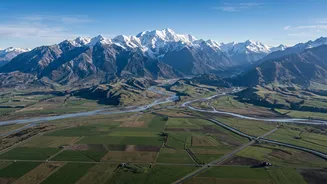
The most dramatic transformation occurs as the river system leaves the Himalayan foothills and enters the vast, flat Indo-Gangetic plain. Here, the steep gradient vanishes. The river, losing its velocity, can no longer carry its massive sediment load. This is a crucial moment. The flood doesn't just stop; it changes character. The water spreads out horizontally, inundating huge swathes of land. Simultaneously, the tons of silt, sand, and debris it was carrying are dumped onto the riverbed and surrounding plains. This process, repeated over years, raises the riverbeds, making the rivers shallower and even more prone to spilling their banks during the next surge. This is why a river like the Kosi is notoriously called the 'Sorrow of Bihar'—its tendency to dump sediment and change course is a direct result of its Himalayan journey.
A Widespread Catastrophe
What began as a single, violent event in a mountain valley becomes a slow-motion disaster across hundreds of square kilometres in states like Bihar and Uttar Pradesh. The water, now spread thin but wide, submerges farmlands, villages, and infrastructure for days or even weeks. The fine silt that settles can damage crops and clog irrigation systems. While the initial force is gone, the impact is broad and devastatingly persistent. Millions can be displaced, livelihoods built on agriculture are destroyed, and communities are left to deal with the aftermath long after the initial warning has passed. It highlights a chain reaction where mountain geology and climate directly dictate the fate of the plains downstream.