
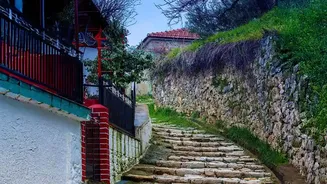
The Allure of Ancient Paths
Greece is a landscape threaded with stories, and many of its best hiking routes follow the same paths traveled by pilgrims, soldiers, and shepherds for centuries. These are not just trails; they are living history. Consider the Menalon Trail in the Peloponnese,
a 75-kilometre route that winds through the mountains of Arcadia. This path connects stone villages, traverses the lush Lousios Gorge, and passes cliff-side monasteries. It’s a journey through a landscape that feels a world away from the sun-soaked islands. Similarly, the long-distance Corfu Trail weaves through olive groves, cypress-covered ridges, and remote beaches, revealing the island's true backbone far from the tourist hubs. These routes, and others like the sacred path to Delphi, offer more than just exercise; they are an immersion into the country's geography and soul.
Respect the Season, Respect the Trail
The single most important 'local condition' to plan for is the season. Hiking in Greece is a vastly different experience depending on the time of year. The summer months of July and August are relentlessly hot and best avoided for serious walking. The prime windows for hiking are spring (April-May) and autumn (September-October). In spring, the countryside is alive with wildflowers and the trails are lush and green after winter rains. Autumn offers settled weather, dry ground, and the sea is still warm enough for a post-hike swim. Winter hiking is possible in some coastal areas like southern Crete or Corfu, but mountains will be snow-covered and many trails impassable.
Match the Terrain to Your Fitness
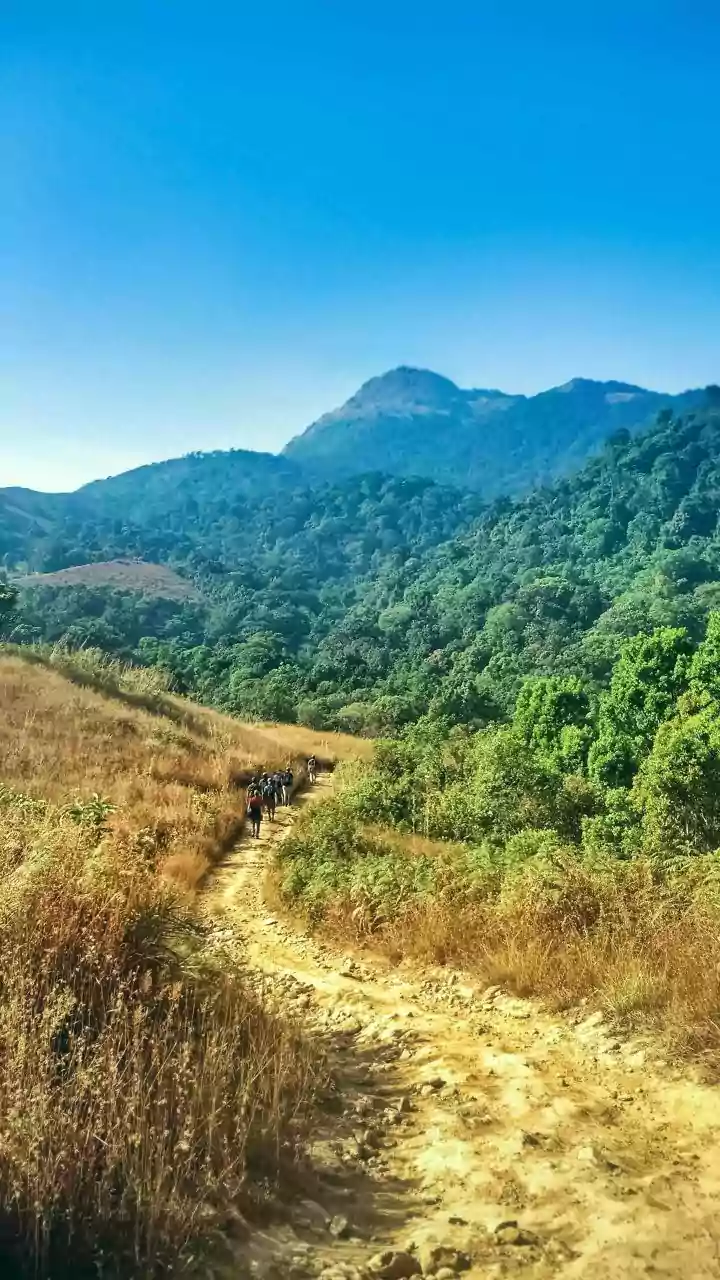
Greek trails are incredibly diverse, ranging from gentle coastal walks to demanding mountain scrambles. Underestimating the terrain is a common mistake. A trail's difficulty is not just about distance but also elevation change, surface, and exposure to the sun. The Menalon Trail, for example, involves continuous ascents and descents on stony paths that are challenging even for experienced hikers. The Corfu Trail has steep, rocky sections in the north, while the south is flatter but involves long stretches on sand. Before choosing a route, be honest about your fitness level. Many trails can be broken into shorter day stages, allowing you to tailor the journey to your ability. Always use walking sticks; they are highly suggested for the steep descents and uneven surfaces common on many Greek paths.
Pack for Sun, Rain, and Everything In Between
Even outside of peak summer, the Greek sun is intense. Sun protection is non-negotiable. This includes a wide-brimmed hat, high-SPF sunscreen, and sunglasses. However, weather in the mountains can change quickly. The key is layering. Pack lightweight, long-sleeved shirts and long pants; they protect from the sun and also from the thorny bushes that often line the trails. A light rain jacket is essential, as showers can occur, especially in the spring and autumn shoulder seasons. Sturdy, broken-in hiking boots with good ankle support are a must. Do not attempt these trails in sandals or casual shoes. Finally, always carry more water than you think you will need, as sources can be sparse on certain sections.
Navigation, Safety, and Local Knowledge
While many popular trails like the Menalon are well-signposted, waymarking can be inconsistent in other areas. Never rely solely on trail markers. Carry a physical map and a fully charged phone with a GPS app using offline maps. Before you set out each day, tell someone at your guesthouse your intended route and expected return time. The emergency number in Greece is 112. One of the most rewarding aspects of these trails is that they connect 'living' villages. Plan your stages to end in a village where you can rest, resupply, and experience local hospitality in a family-run guesthouse or taverna. This not only makes the logistics easier but also enriches the entire experience.