





The Three Golden Rules for All Millets
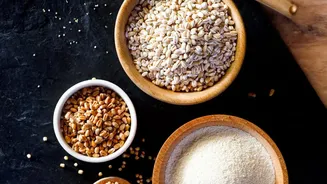
Before we get into specific millets, there are three universal rules. First, always wash your millets thoroughly under running water 2-3 times to remove any dust or husk residue. Second, soaking is the most critical step. Soaking for at least 6-8 hours
softens the grain, reduces cooking time, and makes them easier to digest. For smaller millets like foxtail, even a 30-minute soak works wonders. Always discard the soaking water. Third, do not stir the millets while they are cooking. Stirring breaks the grains and releases starch, which is the primary cause of a mushy, sticky texture.
Mastering the Water Ratio
The single biggest reason for failure is using the wrong amount of water. Unlike rice, there isn't a single universal ratio for all millets. Too much water will result in porridge, while too little will leave the grains hard and undercooked. As a general rule for achieving fluffy, separate grains, most smaller millets like Foxtail, Little, and Kodo millet do well with a 1:2.5 ratio (1 cup millet to 2.5 cups water). Barnyard millet cooks faster and needs less water, typically a 1:2 ratio. For a softer, porridge-like consistency, you can increase the water to a 1:3 or 1:3.5 ratio.
Cooking Methods: Stovetop vs. Pressure Cooker
Both methods work well, but the stovetop method gives you more control over the final texture. For the stovetop, bring the measured water to a rolling boil, add the soaked and drained millet, stir once, then reduce the heat to the lowest setting. Cover with a tight-fitting lid and cook for 12-15 minutes without lifting the lid. Once done, let it rest for 5-10 minutes before fluffing with a fork. A pressure cooker is faster. For most millets, 2-3 whistles on a medium flame followed by natural pressure release is sufficient. Avoid force-releasing the pressure, as the residual steam is crucial for finishing the cooking process gently.
Tips for Specific Indian Millets
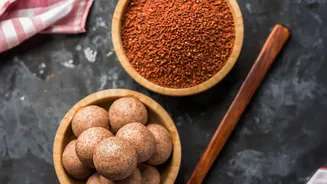
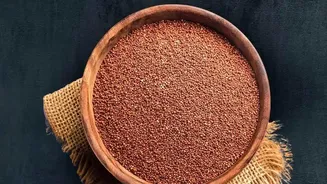
Different millets have unique characteristics. For Ragi (Finger Millet), often used as flour for porridge or mudde, the key to avoiding lumps is to first make a paste. Mix the ragi flour with a small amount of cold water to form a smooth, lump-free paste before adding it to boiling water or milk. For Jowar (Sorghum) and Bajra (Pearl Millet), which are commonly used as flours to make rotis, using hot water to knead the dough is essential. Hot water makes the dough more pliable and easier to handle, as these flours lack gluten. Cook the rotis on a medium-high flame; too low heat will make them hard.
Troubleshooting Common Problems
If your millets are still hard, it likely means they were undercooked or you used too little water. Next time, slightly increase the water or the resting time after cooking. If your millets are mushy, you probably used too much water, overcooked them, or stirred them during the process. Another pro-tip is to lightly toast the drained millets in a dry pan for a few minutes before adding water. This step enhances their natural nutty aroma and helps keep the grains separate, preventing them from clumping together.