



More Than Just Nostalgia
The return of heritage rice is not merely about looking backwards. It is a forward-thinking movement driven by a coalition of farmers, chefs, conservationists, and increasingly, conscious consumers. After the Green Revolution prioritized high-yield, uniform
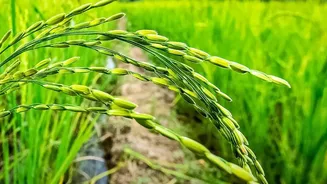
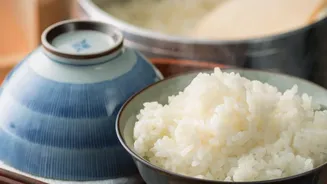
crops, thousands of India’s native rice varieties vanished from fields and plates. Today, grains like the fragrant Gobindobhog from West Bengal, the nutty Kalanamak from Uttar Pradesh, and the robust Mappillai Samba from Tamil Nadu are being revived. This resurgence speaks volumes about a collective desire to reclaim biodiversity, flavour, and nutrition that was nearly lost.
A Prescription From the Paddy Fields
A significant driver of this trend is a growing health consciousness. Unlike polished white rice, many traditional varieties are nutritional powerhouses. Kalanamak, known as 'Buddha rice', is rich in iron and zinc and has a low glycemic index, making it suitable for diabetics. Red rice varieties like Kaatuyanam are packed with antioxidants called anthocyanins, which are believed to combat inflammation. With higher protein and fibre content, these grains offer sustained energy and keep you fuller for longer. This shift represents a turn away from industrially processed foods towards whole, nutrient-dense ingredients that our ancestors understood intuitively.
Climate-Proofing Our Plates
Beyond personal health, this revival has profound environmental implications. For generations, farmers cultivated rice varieties that were perfectly adapted to their local ecosystems. Many of these heirloom seeds are naturally resilient to floods, droughts, and saline soil—challenges that are becoming more frequent with climate change. In the cyclone-prone Sundarbans, for instance, farmers are bringing back salt-tolerant strains like Lal Getu and Talmugur. These varieties often require fewer chemical inputs, promoting more sustainable agricultural practices and restoring soil health. For many farming communities, these ancestral seeds are not relics; they are a lifeline for a climate-uncertain future.
A Celebration of Terroir and Taste
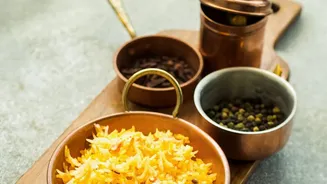
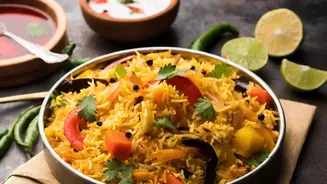
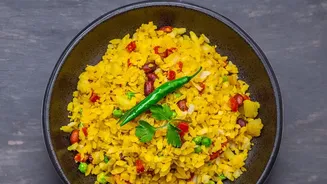
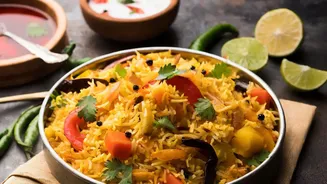
The return of traditional rice is also a culinary renaissance. Chefs and home cooks are discovering a world of flavours, aromas, and textures that had been forgotten. Gobindobhog, which earned a GI tag for West Bengal in 2017, has a sweet, buttery flavour perfect for kheer and khichuri. The short-grained Jeerakasala from Kerala offers a unique alternative to Basmati in biryani. This movement celebrates the idea of 'terroir'—the unique taste imparted by a specific geography—in rice. Restaurants are now proudly featuring these grains, telling the stories of their origins and educating diners about India's true grain diversity.
The Guardians of the Grain
This comeback would be impossible without the tireless efforts of individual farmers and small collectives. People like Padma Shri awardee Sathyanarayana Beleri in Karnataka, who conserves over 650 traditional paddy varieties, are at the forefront. Farmer-led networks and NGOs like Thanal have been instrumental in creating seed banks and reintroducing varieties to different states. By choosing these grains, consumers are not just buying a food product; they are supporting small-scale farmers, preserving agricultural biodiversity, and investing in a more resilient and flavourful food system.