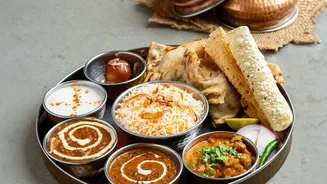







In the rush of modern city life, a quiet but powerful trend is simmering in Indian kitchens. After years of chasing quick fixes and global trends, many are finding comfort and balance by returning to the simple, heritage dishes of their childhood.
The Great Return to the Dinner Plate
In India's
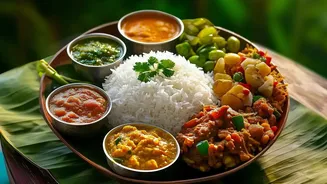
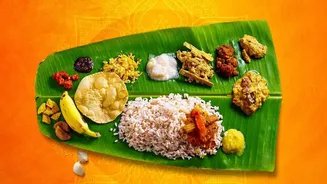
bustling metropolitan centres, from Delhi to Bengaluru, a subtle rebellion is taking place at dinnertime. It is not about a new, exotic ingredient or a complicated culinary technique. Instead, it is a conscious return to basics. Households are setting aside elaborate meals and delivery apps in favour of comforting, simple heritage dishes. Meals like dal-chawal, roti-sabzi, and the humble khichdi are reclaiming their place as the heroes of the weeknight dinner. This shift is not just about nostalgia; it is a deliberate choice for a more balanced lifestyle, driven by a growing awareness of health, wellness, and the need for emotional comfort in a fast-paced world.
Wellness That Was Always in the Kitchen
For years, wellness was marketed as something to be imported—quinoa from abroad, detox juices, protein powders. Yet, many are now realising that traditional Indian food has always been inherently healthy. The simple combination of lentils and rice, for instance, forms a complete protein, providing essential amino acids. Dishes like dal are packed with fibre, protein, and nutrients like iron and folate, which aid digestion and keep you feeling full for longer. The spices used, such as turmeric, cumin, and ginger, are not just for flavour; they have anti-inflammatory and digestive benefits that have been recognised for centuries. This return home is also a response to growing concerns about processed foods, with home cooking offering complete control over ingredients and additives.
The Unexpected Convenience of Simplicity
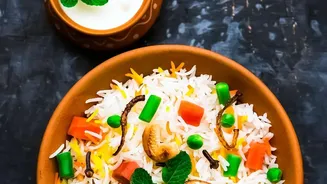
One might assume that traditional cooking is time-consuming, but many heritage recipes are surprisingly weeknight-friendly. One-pot meals like khichdi or vegetable pulao require minimal active cooking time and result in less cleanup. The process is often straightforward: a simple 'tadka' (tempering) of spices in ghee or oil, followed by simmering rice and lentils together. These dishes are designed for practicality. A basic dal tadka, jeera rice, and a quick vegetable stir-fry can come together in under 45 minutes, offering a wholesome meal that tastes like it was made with love and patience. This practicality makes heritage cooking a sustainable habit rather than a weekend project, fitting seamlessly into the demanding schedules of urban professionals and families.
A Hug in a Bowl: The Power of Food Memory
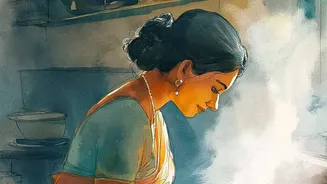
Beyond the nutritional benefits, the appeal of these simple dishes is deeply emotional. For many, a bowl of warm khichdi or dal-rice is the culinary equivalent of a hug—a taste of home and a reminder of being cared for. This food carries memories of childhood, of meals prepared by mothers and grandmothers, and serves as an anchor in the often-transient life of a big city. In a world of fleeting digital trends, the act of preparing a meal from scratch using family recipes has become a therapeutic, grounding experience. It is a way to reconnect with one's roots and cultural identity, preserving culinary traditions that tell a story of family and heritage.
Khichdi: The Poster Child of the Movement
Perhaps no dish better represents this trend than khichdi. Historically considered a food for convalescence, it is now celebrated as India's ultimate comfort food. Made from rice and lentils, its simplicity is its strength. It is easy to digest, nourishing, and incredibly versatile. While the basic version is a simple porridge-like meal, regional variations showcase its adaptability—from the bajra khichdi of Gujarat to the festive Bengali khichuri. Its history is ancient, with mentions in Ayurvedic texts and accounts from early travellers to India. Today, khichdi's resurgence is a testament to the idea that what is old can be new again, providing a wholesome, comforting, and deeply satisfying answer to the question of 'what's for dinner?'