



Beyond the Usual Grains
For decades, Indian agriculture prioritised high-yield rice varieties, pushing thousands of traditional strains, once adapted to specific local climates, to the brink of extinction. This focus on uniformity meant that the incredible range of flavours,
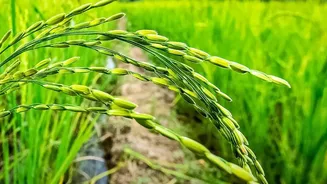
textures, and aromas inherent in India's rice heritage was lost to many. Today, however, a growing movement is bringing these forgotten grains back to the forefront. Driven by a renewed interest in culinary history, a demand for healthier, nutrient-dense foods, and a focus on sustainable farming, this revival is reintroducing a world of flavour that goes far beyond the everyday.
The Drivers of a Delicious Comeback
Several factors are fuelling this rice renaissance. Health-conscious consumers are seeking out traditional varieties known for their nutritional benefits, such as being easier to digest or having a lower glycemic index. Chefs at the forefront of modern Indian cuisine are championing these grains, using their unique characteristics to create innovative dishes that tell a regional story. Furthermore, there is a growing appreciation for agricultural biodiversity and climate-resilient crops that are naturally adapted to local conditions, often requiring fewer chemical inputs. This convergence of health, taste, and sustainability is putting heritage rice back on the map and in our pantries.
Spotlight: Gobindobhog from West Bengal
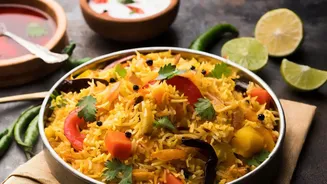
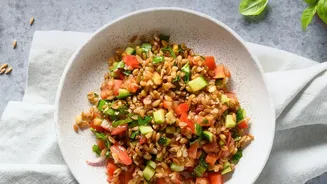
Hailing from West Bengal, Gobindobhog is a short-grain, aromatic rice cherished for its buttery flavour and delightful fragrance. Its name, which translates to "offering to the lord," reflects its traditional use in religious ceremonies and festive dishes. When cooked, Gobindobhog becomes soft and slightly sticky, making it the perfect choice for classics like the comforting Khichuri or the creamy rice pudding, Payesh. Its ability to absorb flavours while retaining its distinct character has also made it a favourite among chefs for creating everything from delicate salads to risottos.
Spotlight: Joha from Assam
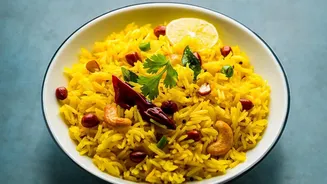
Known as the scented jewel of Assam, Joha is a collection of short-grain rice varieties celebrated for their delicate, floral aroma, which is distinct from the more common basmati. Traditionally cultivated in the Brahmaputra valley, Joha rice has a soft texture and a slightly sticky quality when cooked, making it ideal for creating fragrant pulaos and desserts like kheer. Beyond its taste, it is valued for its nutritional profile, which includes essential fatty acids and antioxidants. Its Geographical Indication (GI) tag protects its unique regional identity, ensuring its authenticity.
Spotlight: Ambemohar from Maharashtra
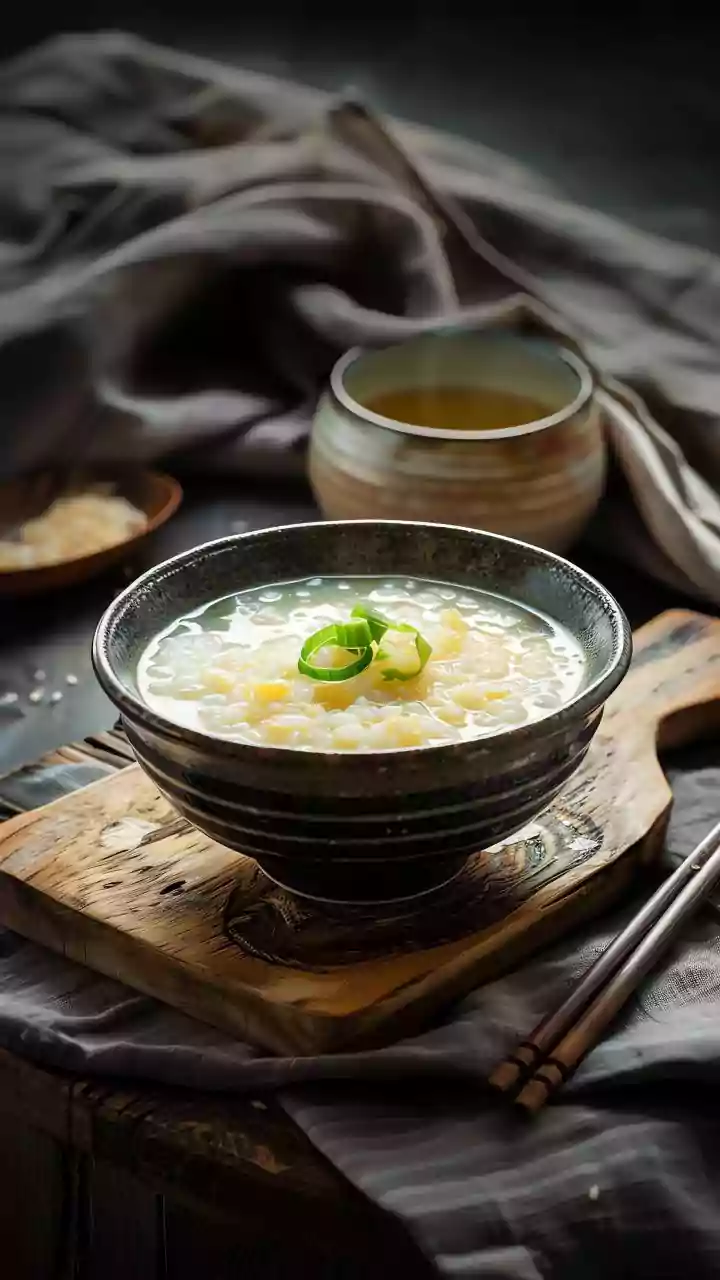
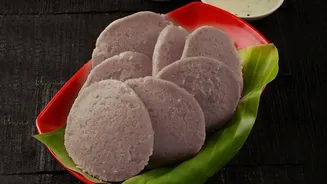
The name Ambemohar translates from Marathi to "mango blossom," a nod to the strong, sweet aroma this rice releases during cooking. This short-grain rice from the Western Ghats region of Maharashtra cooks into soft, easily digestible grains that have a tendency to stick together. It's traditionally used to prepare 'Bhatachi Pej' (a rice soup for children and the elderly), soft idlis, and crispy dosas. Though it is a low-yielding variety, its unique fragrance and gentle texture make it a cherished part of Maharashtrian culinary heritage.
Spotlight: Chak-hao from Manipur
Manipur's Chak-hao, or black rice, is visually stunning and packed with health benefits. Its deep purple-black colour comes from anthocyanins, the same powerful antioxidants found in blueberries. This gives it one of the highest antioxidant levels of any rice variety, which helps protect the body from cellular damage. With a nutty flavour and a chewy texture, Chak-hao is also a good source of fibre and has a lower glycemic index than polished white rice, making it a healthier option for blood sugar management. It's incredibly versatile and used in both savoury dishes and famously in the sweet pudding, Chak-hao Kheer.